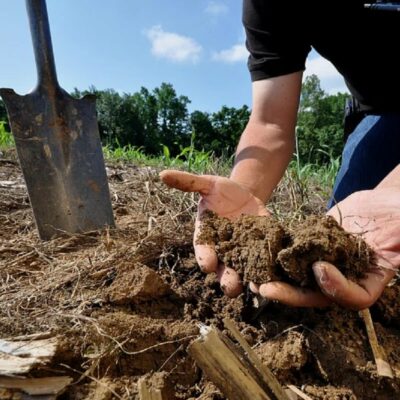


 Different crops have different nutrient requirements and by rotating crops between vegetable plots, this helps to reduce a build-up of crop specific pests and disease problems. Changing crops annually also reduces the chance of specific soil deficiencies developing.
How Do You Rotate Your Crops?
There are 3 main groups of vegetables…. (1 Roots, 2 Legumes & 3 Brassicas) and each group, once grown in the Polytunnel, Greenhouse or allotment shouldn’t be grown in the same place again for a couple of years. However, perennial Veggies like asparagus, artichokes and rhubarb does not need to be rotated. They stay in the same bed for many years.
Group 1 – Roots:
- Turnips
- Potatoes
- Kohl Rabi
- Beetroot
- Carrots
- Swedes & Celeriac
Add compost over the winter and fertiliser before you sow.
Group 2 – Legumes:
- Onions
- Shallots
- Leeks
- Beans
- Lettuce
- Peas & Radish
Add rotted manure in the winter and fertiliser before you sow.
Group 3 – Brassicas:
- Brussels Sprouts
- Cabbage
- Spinach
- Cauliflower
- Broccoli & Kale
Add compost, lime and fertiliser before you sow.
Here’s a little example of a four-year crop rotation using the 3 groups above:
Year 1 Year 2 Year 3 Year 4
Area A Group 1 Group 2 Group 3 Group 1
Area B Group 2 Group 3 Group 1 Group 2
Area C Group 3 Group 1 Group 2 Group 3