

As you sow, plant and grow in a vegetable garden, you may not consider the origins of the plants you grow. But looking into the origins of common vegetables we grow can be very useful and interesting.
Looking at the origins of common vegetables can help us to understand the needs of those specific plants, as we recognise the environments from which they originally came. When we gain a deeper understanding of what has gone into the breeding of common crops, this can also give us a new-found respect for those gardeners and farmers who have gone before us.
While many organic gardeners will try to include plenty of native plants in their gardens, in our vegetable gardens, almost all of our common choices are not native at all. Some are the descendants of native plants, selectively bred over many centuries. But most do not derive from plants which are native to our shores.
Artichoke
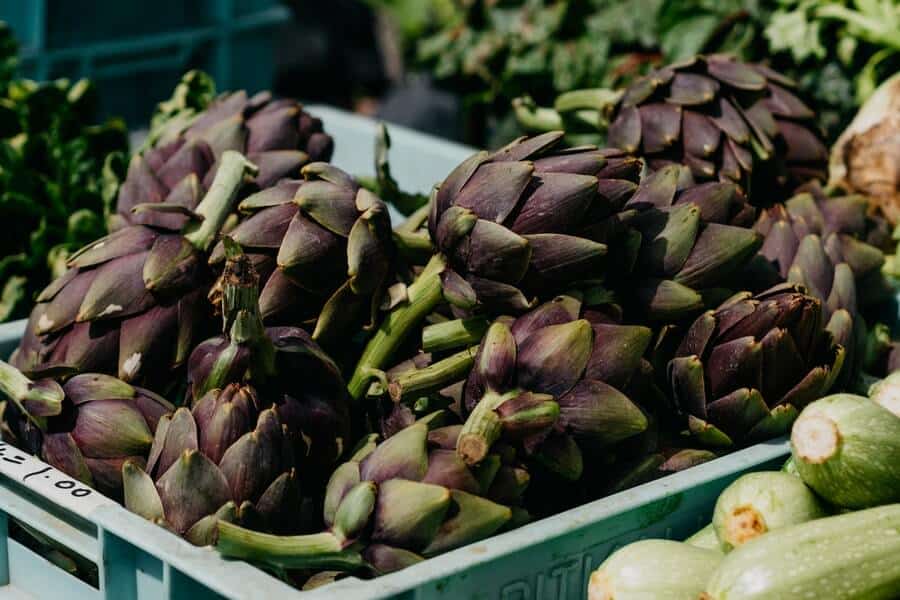
There are two different types of artichoke which might be grown in the UK. There is the Jerusalem artichoke, Helianthus tuberosus, and there is the globe artichoke, or French artichoke, Cynara cardunculus.
The Jerusalem artichoke or sunchoke is native to central North America. It was cultivated as a food source by Native Americans before European colonists arrived. Early colonists ‘discovered’ them and sent tubers back to Europe, where they became a popular crop.
The globe artichoke is a species of thistle, a domesticated variety of the wild cardoon which grows as a native in the Mediterranean region. It has been grown as a garden plant since Classical times, though this may have been the wild type.
Improvement may have taken place of this wild type in Muslim Spain during the Mediaeval period and it spread through Italy and Southern France in the late 15th-early 16th Centuries. They were introduced to England by the Dutch and were grown in Henry VIII’s garden in Newhall.
Asparagus
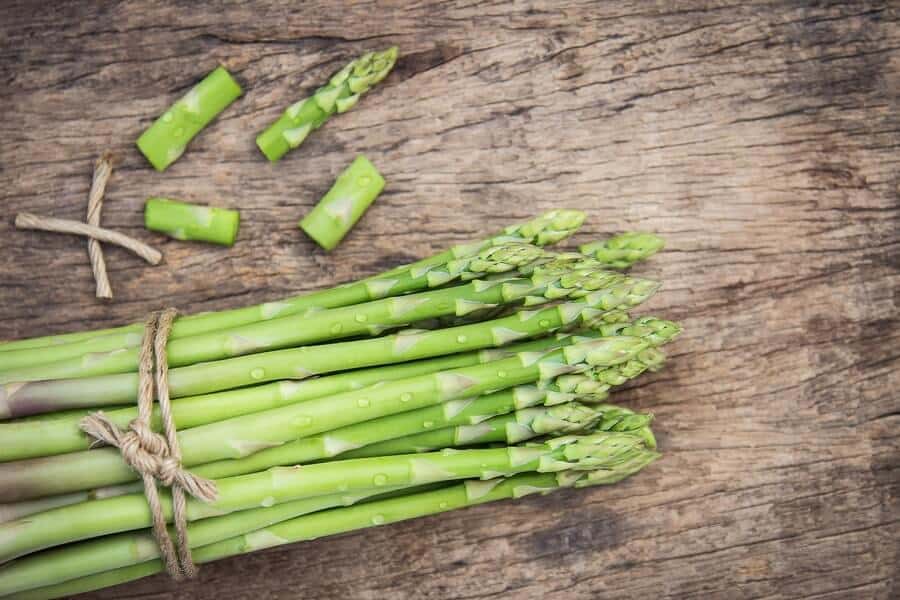
This perennial vegetable is native to much of Europe and western temperate Asia. The native range of Asparagus officinalis is not decisively confirmed, so it may or may not have originally been native to parts of England. Asparagus officinalis subsp. Prostratus is the type native to the western coasts of Europe, potentially north to Ireland and parts of the UK.
Asparagus has been grown as a vegetable since at least ancient Egyptian times, and was, by 1469, cultivated in French monasteries. Though it is not believed to have been commonly consumed in England before around 1538, though it was mentioned as ‘sparagus’ in the 11th Century.
Beetroot
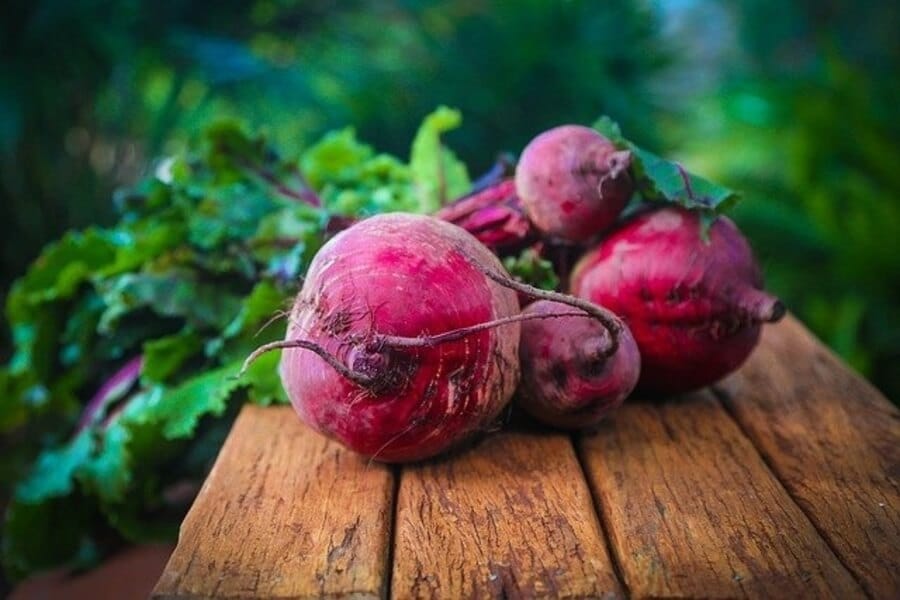
The beetroot is a cultivar of Beta vulgaris subsp. Maritima, the sea beet, from which all cultivated beetroot are derived. This wild plant is native to Western coasts of Europe and the Mediterranean, to the near and middle East.
This wild plant led to the development not only of the familiar root crop, but also of other garden crop favourites such as spinach beet or chard, and Swiss chard, as well as the mangelwurzel and sugar beet.
The domestication of this crop can be traced to the emergence of a gene variant which enables biennial harvesting of the leaves and tap root. They were domesticated in the Middle East, mostly for their greens, and were grown by all the cultures of the ancient world. By the time of the Romans, the roots were eaten as well.
Broad Beans
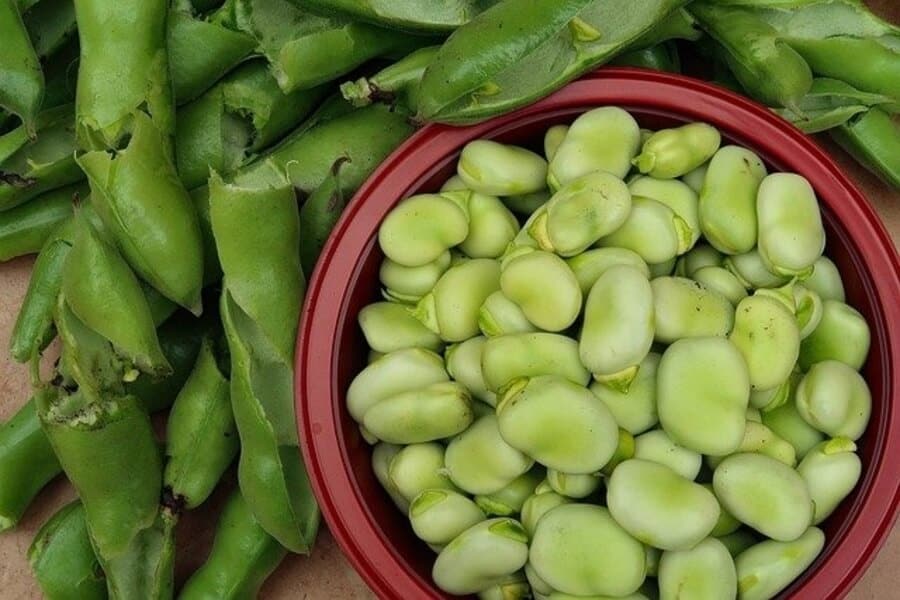
Broad beans, Vicia faba, are a legume. This is believed to be one of the oldest plants in cultivation, though their wild ancestor and precise origin is unknown. What we do know is that they have been eaten for a very long time. They became part of the eastern Mediterranean diet around 6000 BC, or even earlier.
Brassicas
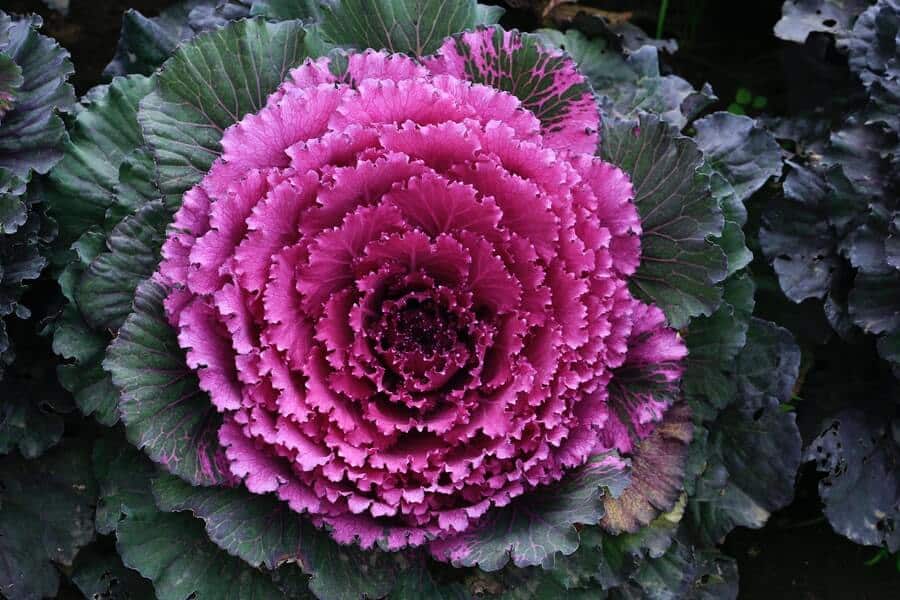
The brassica genus gives us many of our best known garden crops: broccoli, cabbages, cauliflower, kale, turnips and many more. The genus has a number of wild species, which are native to Western Europe, the Mediterranean and temperate regions of Asia. These wild species are the ancestors of our common crops.
Theorists and genetic scientists have discovered that modern Brassica cultivars of six key species derive from three diploid species of wild Brassica. The most important Brassica for modern gardeners in the UK is Brassica oleracea, and wild cabbage cultivars bred over the centuries give us many of our favourite crops.
The people of the northern Mediterranean began to cultivate wild cabbage and through artificial selection for various traits, the very different Brassicas that we know today emerged over just a few thousand years.
Kale had developed due to selection for leaves by around the 5th Century BC. Cabbage emerged around the 1st Century AD, and the kohlrabi, in Germany, around the same time. Cauliflower and broccoli emerged in southern Italy from the 15th Century, resolving into distinct cultivars around a hundred years later. And further selection in Belgium led to Brussels sprouts in the 18th Century.
Carrots
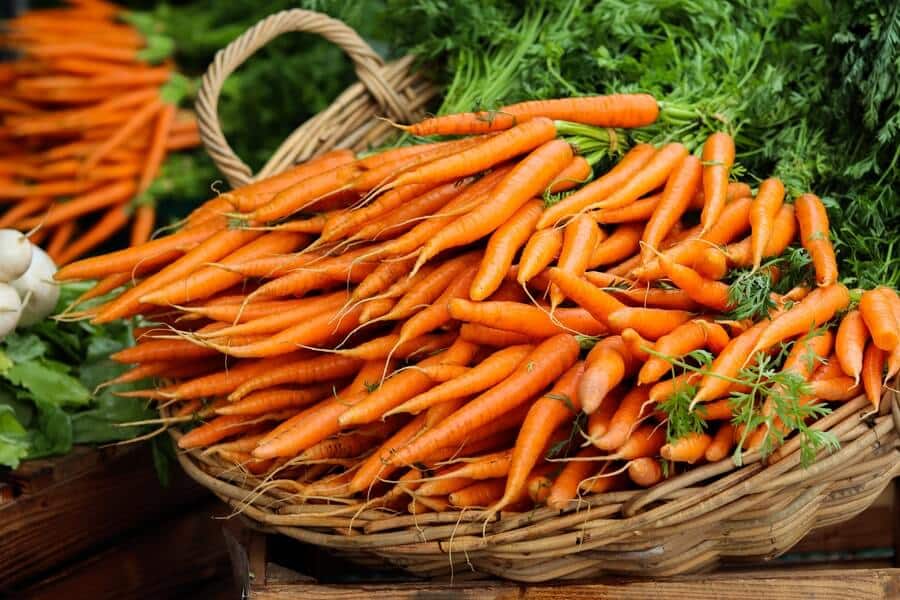
Carrots all come from the wild carrot, Daucus carota, which is native to Europe and Southwestern Asia. The plant is believed to have originated in Persia, where it was originally cultivated for its leaves ands seeds. Again, a process of selective breeding over many centuries led to the form of sweet rooted vegetable that we are familiar with today.
The modern orange carrot has a common myth associated with it. Orange carrots were said to have been created in the 17th Century by the Dutch to honour their flag and William of Orange. But modern carrots were likely around before this time.
Celery
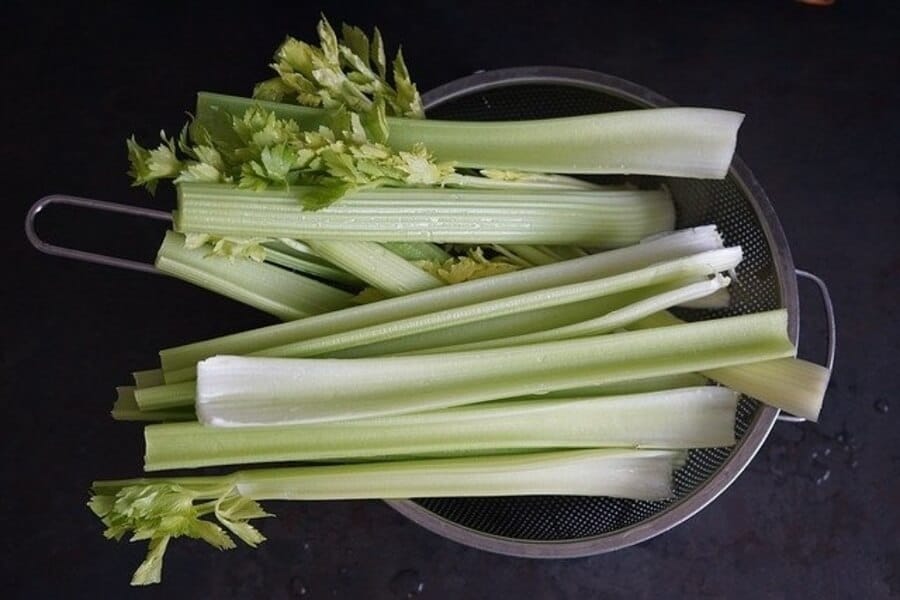
Celery (Apium graveolens) is a marshland plant. The wild plant occurs around the world, though its first cultivation, which led to the modern crop grown today, is believed to have occurred in the Mediterranean region and it is certain that it was cultivated by classical times.
The name of the plant traces its path of adoption through Europe. The English term Celery comes from the French, which comes from a Lombard term, which in turn comes from the Latin, borrowed from Greek. Over time, breeding reduced the bitterness of the wild form and increased sweetness and size.
Green Beans, Sweetcorn, Squash
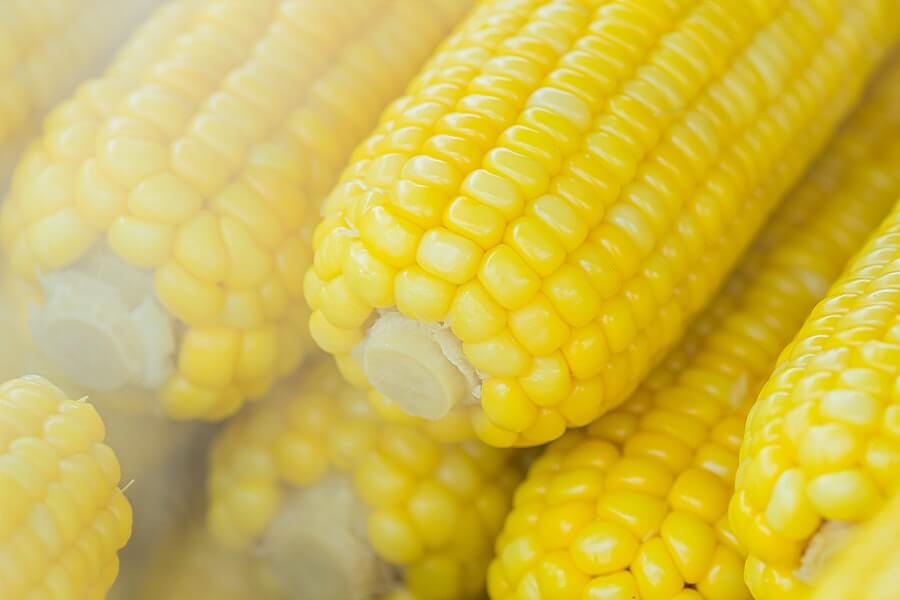
The wild Phaseolus vulgaris (which gives rise to many beans commonly grown in gardens),is native to the Americas. Along with maize (corn) and Squash, it was domesticated in Mesoamerica and then travelled through indigenous American agriculture as the ‘three sisters’.
Numerous selective breeding in a number of cultures around the world have since developed the many types and cultivars of these crops which we know today.
Garlic, Onion, Leek
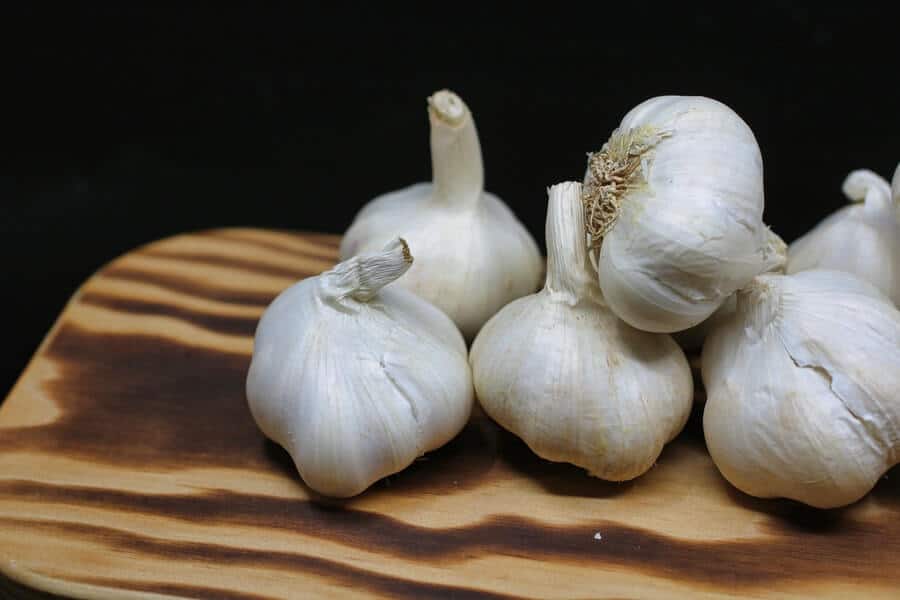
Allium sativum (common garlic) resists genetic analysis and a number of wild plants have been suggested as candidates for the ancestors of this common crop. It is likely to have involved wild plants native to Southwestern Asia or the Middle east. Though there are allium species which are native to the UK and Europe, which are also sometimes cultivated.
The wild onion is extinct and the geographical origin of this crop is uncertain. Domestication, however, is believed to have taken place in Southwest or Central Asia.
The leek is a cultivar derived from Allium ampeloprasum, the broadleaf wild leek, also sometimes known as ‘elephant garlic’, whose native range is southern Europe and western Asia, though it has naturalised in the UK and may have been introduced to the British Isles by prehistoric peoples.
Lettuce
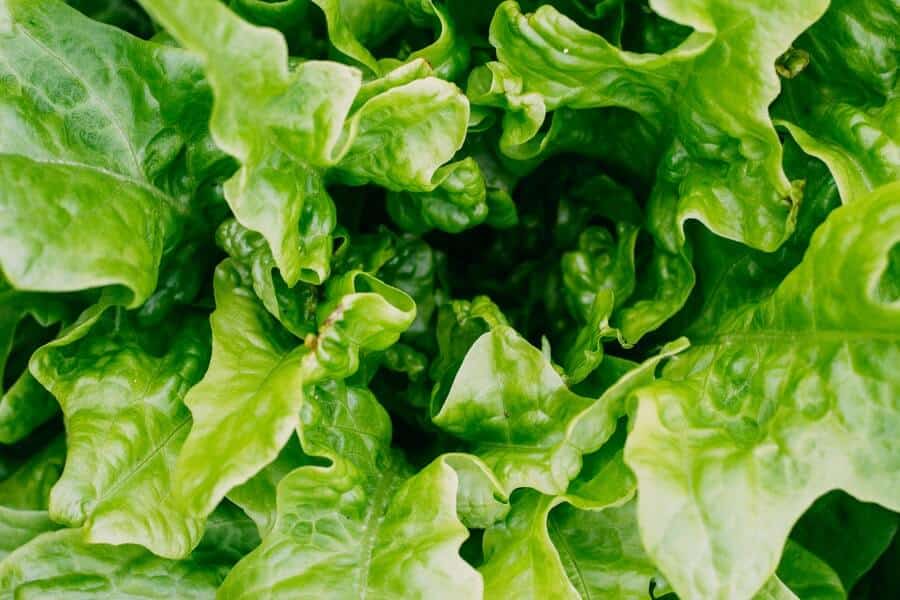
Lettuce was first cultivated in ancient Egypt, selectively bred for its edible leaves. Evidence shows that it was in cultivation by as early as 2680 BC.
By 50 AD, numerous types were described. Between the 16th and 18th Centuries, many varieties were developed in Europe and by the 18th Century, many common cultivars still found today were growing in gardens.
Parsnips
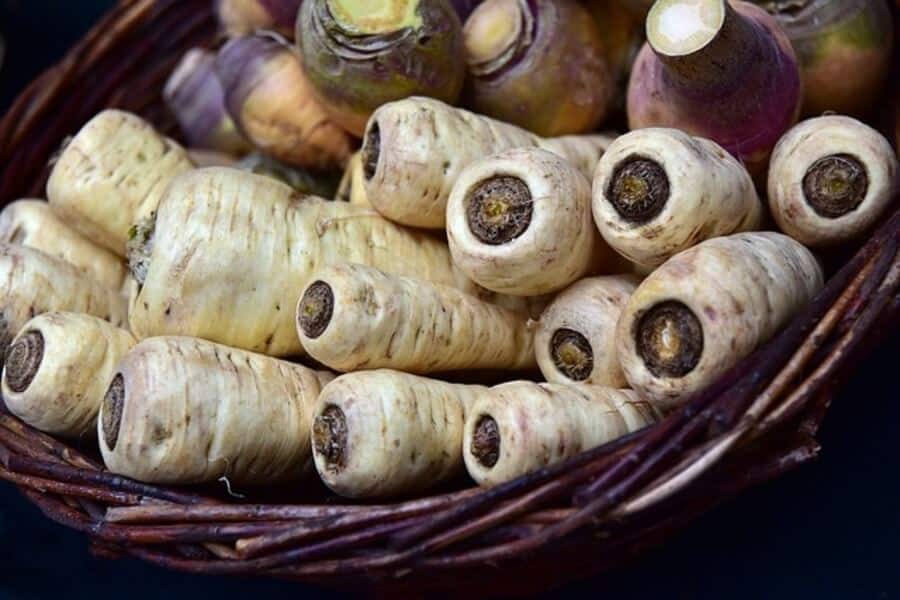
Native to Eurasia, including the UK, the parsnip was cultivated in antiquity and certainly by the Romans. However, there is some confusion because there is no distinction between carrots and parsnips in Roman writings.
It was used in Europe as a source for sugar before cane and beet sugars were available and like other crops, has been improved both through selective breeding of the wild type, and by back-crossing with the wild species.
Peas
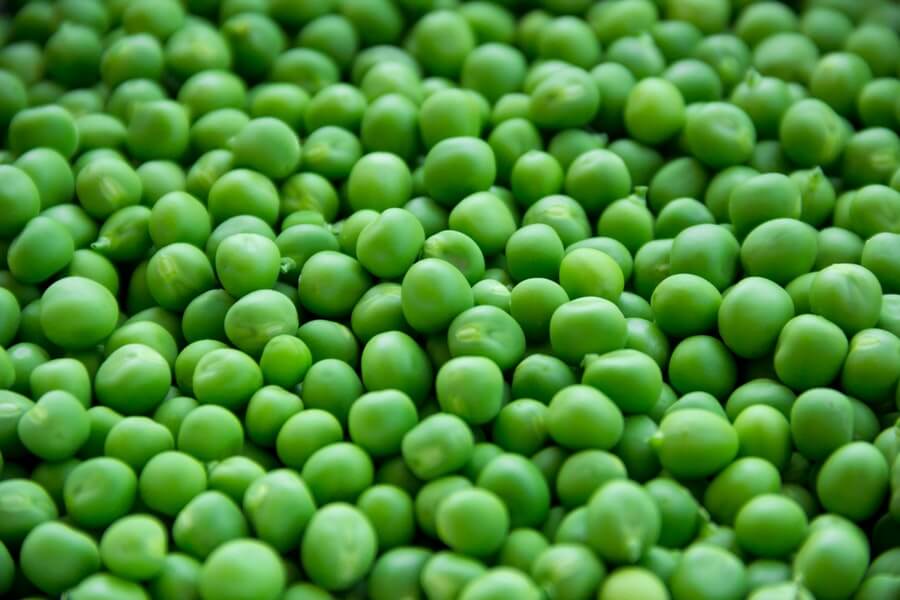
Pisum sativum, the garden pea, originated with the wild pea which is native to the Mediterranean basin and the near east. Peas were grown as early as Neolithic times, in earliest times usually grown for their dry seeds. Constant selection since the earliest days of agriculture has led to the pea types and various different cultivars grown today for their fresh and dried podded peas and pods.
Field peas, eaten as a pulse, kept famine at bay for many during the Middle Ages. But green garden peas and mange tout in France were not widespread until they became a fashionable luxury in the early modern period.
Potatoes
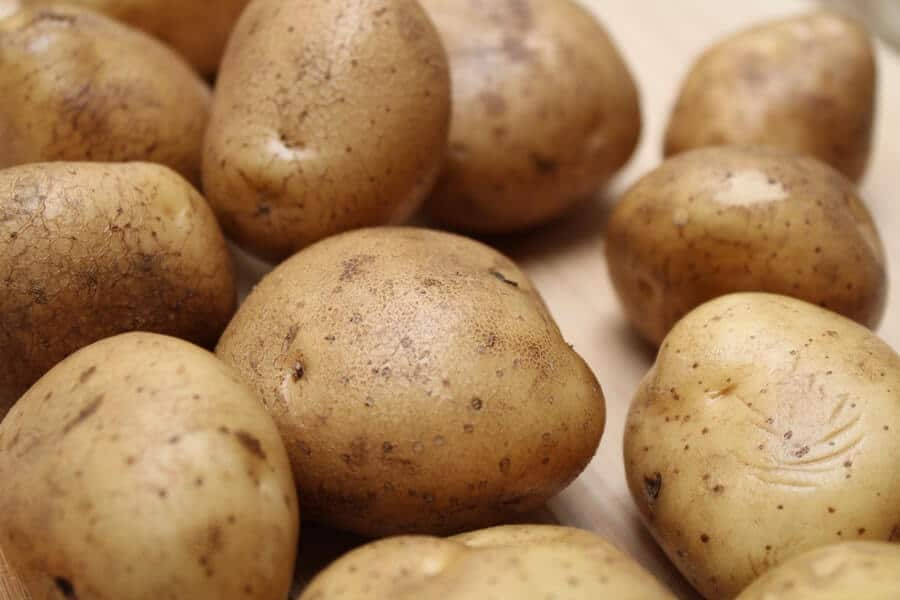
Potatoes hail from the Americas. Wild potato species are found from Canada to southern Chile. Potatoes were first domesticated in southern Peru and extreme northwestern Bolivia around 7,000-10,000 years ago. They were widely domesticated across the Americas by native peoples, and were then introduced to Europe in the second half of the 16thCentury. There are now, through selective breeding, over 5,000 different types worldwide.
Tomatoes & Peppers
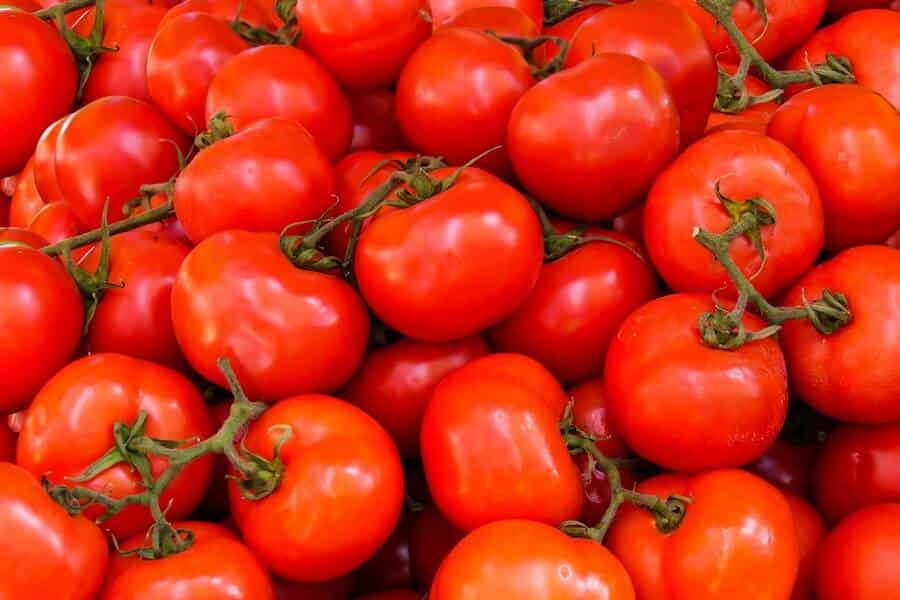
Tomatoes come from western South America and Central America. Their domestication and use as a cultivated food may have originated with the indigenous peoples of Mexico.
The Spanish brought the tomato to Europe after their contact with the Aztecs as the widespread transfer of plants known as the Columbian exchange, which also brought corn, potatoes, peppers along with tobacco and more to Europe.