Mid century modern garden designs and landscaping is all about blending retro style with natural beauty in a way that’s effortlessly stylish and functional. Whether you’re working with a compact urban garden, a polytunnel garden, or a spacious suburban backyard, mid-century modern garden design brings timeless charm and clean, fuss-free elegance to any outdoor space.
In this article, we’ll walk you through what defines this style, its origins, and how to bring it to life in your own garden
What Is Mid Century Modern Garden Landscaping?
Mid century modern garden landscaping is a design approach that pairs simple, functional layouts with sculptural plants and minimalist aesthetics. It’s rooted in the architectural style of the mid-20th century (roughly 1945–1970) and focuses on creating a seamless transition between indoor and outdoor living.
This landscaping style celebrates clean geometry, understated elegance, and a strong connection to the natural world. Rather than trying to control nature, it works in harmony with it.
This approach isn’t just about aesthetics; it’s also highly functional. The goal is to create spaces that are easy to maintain, enjoyable to live in, and visually pleasing year-round.
It allows the homeowner to appreciate the outdoor space just as much as the interiors of the home. Even small gardens can feel expansive and modern when designed using the key principles of this design ethos.
Origin of Mid Century Modern Garden Design and Landscaping
Mid century modern garden landscaping is a design approach that pairs simple, functional layouts with sculptural plants and minimalist aesthetics. Rooted in the architectural style of the mid-20th century (roughly 1945–1970), this movement emerged in the post-World War II era, when a wave of innovation swept through architecture, design, and lifestyle. As suburban development boomed and modern homes with open floor plans and large glass windows became popular, designers sought to blur the lines between interior and exterior spaces.
The goal of mid century modern garden landscaping was to extend the clean lines and open concepts of the home into the garden, creating a cohesive environment that emphasized harmony with nature. Gardens became an extension of the living space, often visible from inside the home, and were designed to be low-maintenance yet visually impactful. Patios, courtyards, and breezeways became central features, encouraging outdoor living and leisure.
Pioneers like landscape architect Garrett Eckbo, along with contemporaries such as Thomas Church and Dan Kiley, helped define the era’s landscape style. They emphasized functionality, asymmetry, and the use of native or drought-tolerant plants—an early nod to sustainable design. Materials like concrete, gravel, and stone were commonly used for hardscaping, while bold, architectural plants served as focal points within the minimalist layouts.
This design ethos also reflected the era’s broader cultural shifts—an embrace of modernity, optimism, and efficiency. The landscapes were often punctuated by geometric shapes, integrated planters, and sculptural features such as breeze blocks, water elements, and modern outdoor furniture. Rather than lush and overly ornamental gardens, the focus was on clean compositions, negative space, and plants that contributed to a strong visual structure.
Today, mid century modern garden landscaping remains popular for its timeless aesthetic and emphasis on indoor-outdoor flow. It’s especially suited to homes with large windows, flat or low-pitched roofs, and open-plan interiors, but its principles can be adapted to a variety of settings. Whether in an urban backyard or a sprawling suburban lot, this style offers a functional and stylish approach to garden design that continues to resonate with contemporary tastes.
Key Design Features for a Mid Century Modern Garden Design
Here are some of the key design features to consider if you wish to adopt this style in your own garden:
1. Integration Between the Home and Garden
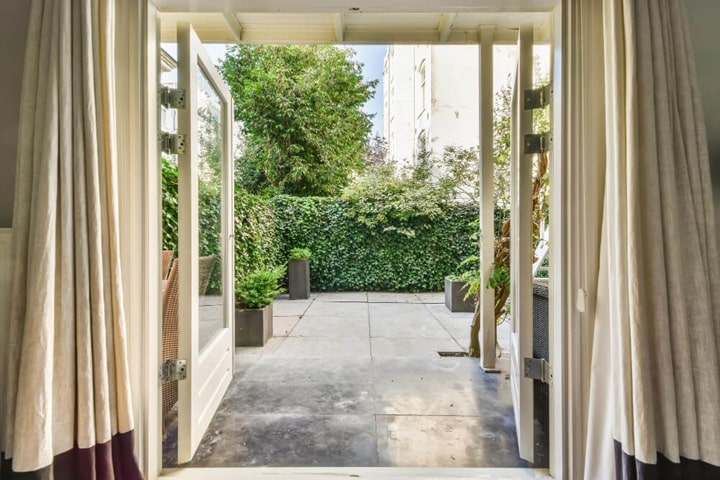
One of the defining characteristics of mid century modern garden landscaping is the seamless flow between the interior of the home and the garden. Large, sliding glass doors or floor-to-ceiling windows open up to patios and courtyards, dissolving the barrier between inside and out. This integration is about creating a continuous experience where the materials, textures, and views transition effortlessly from one space to the other. Gardens are not treated as a separate realm but as an integral part of daily living.
2. Patio Living
Outdoor living is placed front and centre in this design philosophy. The patio often becomes the heart of the garden, furnished with sleek, durable furniture that invites both relaxation and social gatherings. Fire pits, low-slung seating, dining tables, and even outdoor kitchens are common, all designed with simplicity and comfort in mind. These spaces are made to be used and enjoyed, not just admired from a distance.
3. Minimalism & Restraint
Simplicity is at the heart of this style. Instead of filling the garden with an overwhelming variety of plants and features, mid-century gardens embrace a philosophy of restraint. There is a thoughtful curation of elements, where each plant and piece of furniture serves a purpose and contributes to the overall harmony of the space. Negative space is used deliberately, allowing the eye to rest and the mind to feel calm.
4. Clean Lines & Geometric Layouts
Geometry plays a crucial role in mid century modern garden design. Paths, patios, and beds are often laid out using strong rectangular or square shapes. These forms are not only aesthetically pleasing but help create a sense of order and clarity. Even the lawns, if present, are typically defined by crisp edges and geometric forms. This structured approach allows the garden to feel modern and organised without feeling overly rigid.
5. Low-Maintenance Designs
The gardens are also designed with low maintenance in mind. Expanses of gravel, paving stones, and drought-tolerant planting reduce the need for constant upkeep. Evergreen shrubs, slow-growing trees, and hardy perennials ensure that the garden looks good throughout the year with minimal intervention. The layout is typically zoned in a way that different areas serve different functions – lounging, dining, and planting – each flowing into the other with ease.
6. An Earthy Colour Palette With Pops of Colour
Colour is used sparingly but effectively. The foundational palette tends to rely on earthy tones like muted greens, warm browns, and soft greys. These hues echo the natural materials used in the garden, such as timber, stone, and concrete.
Bright accent colours are introduced through planters, textiles, and outdoor accessories, adding energy and contrast without overwhelming the space. This could be a single mustard yellow chair or a row of turquoise pots that draw the eye across the garden.
7. Local Materials Like Natural Stone
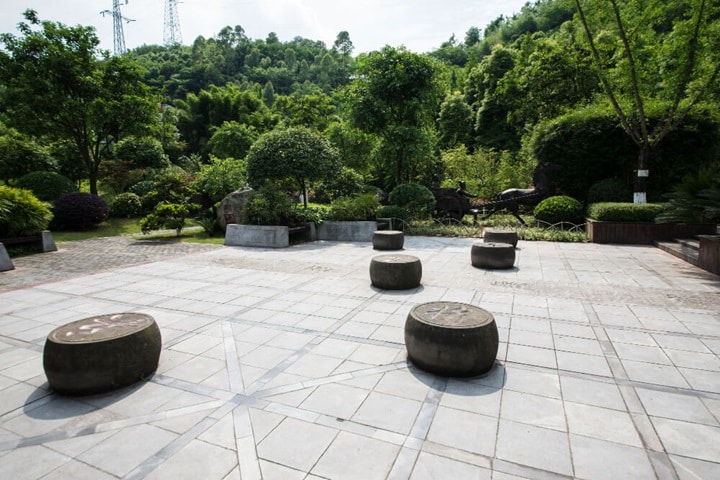
Materials are chosen not just for their visual appeal but for their connection to the landscape. Local stone, natural wood, and concrete are used to create surfaces and structures that feel timeless and robust. These materials are often left in their natural state or minimally treated, allowing their inherent textures and colours to shine through. This connection to the earth adds a grounding quality to the space.
8. Perforated Screens
Perforated screens, such as breeze blocks or timber slats, are another defining feature. These structures serve both functional and decorative purposes. They can create privacy, divide different zones within the garden, and act as a backdrop for planting or lighting. Their patterned designs also bring in visual interest and a subtle sense of movement as light passes through them.
9. Iconic Outdoors Furniture

Outdoor furniture is as iconic as the plants and materials used. Pieces are chosen for their simplicity, low profile, and sculptural quality. Chairs and benches with tapered legs, slatted surfaces, and curved forms recall classic mid-century designs while offering comfort and durability. Materials like teak, powder-coated steel, and fibreglass are common, ensuring the furniture withstands the elements without losing its charm.
10. Statement Focal Points
Focal points play a significant role in adding personality and anchoring the design. These might take the form of a bold sculpture, a minimalist water feature, or a carefully placed specimen plant. The key is that the focal point should feel intentional and resonate with the overall theme. It should be visible from both the garden and the house, creating a visual dialogue between spaces. Lighting is often used to enhance these focal areas, ensuring they remain prominent even after sunset.
Key Plants for Mid Century Modern Garden Landscaping
Mid century modern garden landscaping is all about clean lines, strong shapes, and a blend of structure with natural form. The planting palette leans toward species that offer architectural interest, seasonal resilience, and a sculptural presence in the garden. Below are some of the standout plants that help define this iconic style.
Bold Blooms and Symmetry
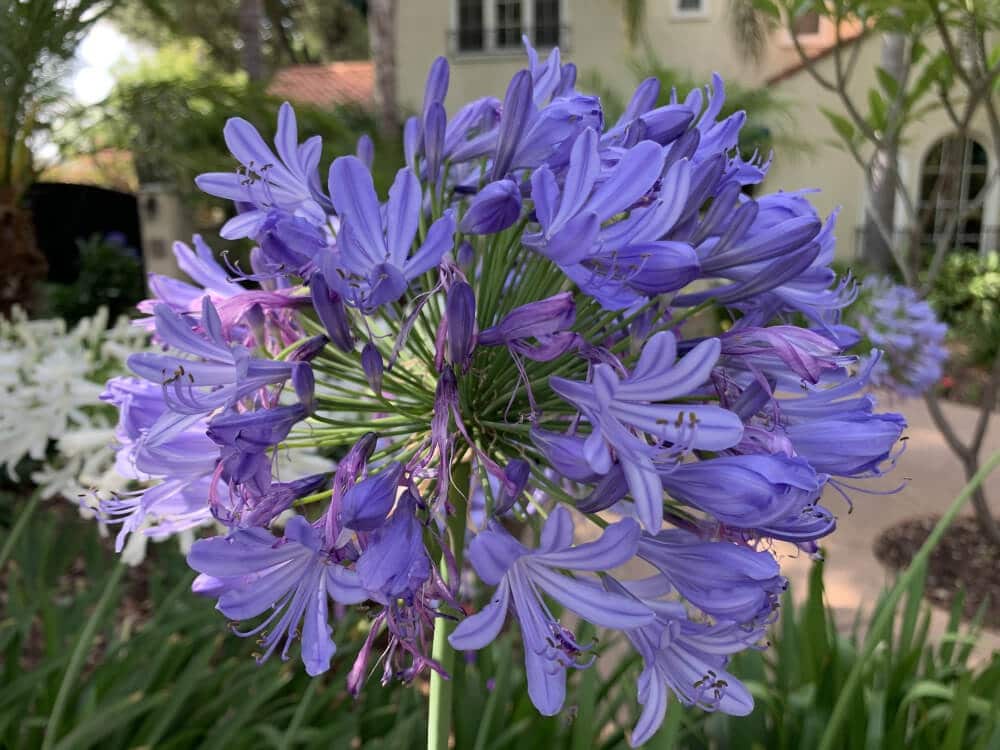
Agapanthus, also known as Lily of the Nile, is a quintessential plant for this design style. Its spherical blooms sit atop tall, slender stems and provide a striking visual contrast to lower-growing foliage. The strap-shaped leaves maintain form even when the flowers are not in bloom, offering year-round appeal. Their symmetry and tidy shape echo the clean geometry that defines mid-century design.
Desert-Inspired Drama

Yuccas are a perfect fit for creating drama and structure. Their bold, spiky form makes them ideal for adding a desert-modern touch, even in temperate zones. Varieties like Yucca gloriosa or Yucca filamentosa are hardy and low-maintenance, bringing sculptural interest with their upright leaves and occasional flower spikes.
Lush Texture for Shady Corners
In shaded areas, Fatsia japonica is an excellent choice. Its large, glossy, lobed leaves bring a touch of the tropics to the garden and serve as a soft counterpoint to more rigid plantings. This plant thrives in low-light conditions, making it invaluable for adding interest in darker corners.
Vertical Accents
Phormiums, or New Zealand flax, are prized for their upright, sword-like foliage that ranges in colour from deep green to bronze, burgundy, and even variegated tones. These plants are ideal for creating vertical lines that complement the low-slung architecture often seen in mid-century homes.
Evergreen Structure and Soft Contrast
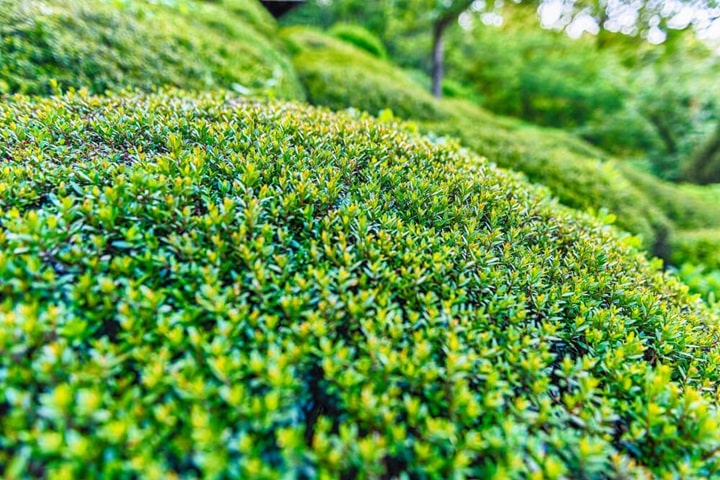
Boxwoods, often clipped into geometric shapes like balls or cubes, offer evergreen structure and a sense of order. They’re particularly useful for framing pathways or anchoring planting beds. In contrast, ornamental grasses such as Stipa tenuissima or Carex species introduce movement and a touch of softness. Their fine textures sway gently with the breeze, providing dynamic balance to the garden’s more structured elements.
Sculptural and Low-Maintenance
Finally, succulents bring an element of surprise and texture. Species like Echeveria, Sedum, and Aloe work especially well in containers or gravel beds. Their sculptural forms and diverse colours suit the mid-century aesthetic perfectly, while their drought tolerance keeps maintenance minimal.
FAQs
What materials are commonly used in mid-century garden paths and patios?
Mid-century modern gardens favour concrete, natural stone, gravel, and large-format pavers laid in geometric patterns. Timber decking is also popular, especially in a slatted or modular layout. Using different textures helps define areas while maintaining a cohesive look.
Today, environmentally conscious gardeners should want to avoid the use of new concrete – but reclaimed concrete might be a more sustainable option.
How can I incorporate a water feature into a mid-century garden?
Opt for simple, sculptural water features. A low, round reflecting pool, a sleek black rill, or a modernist wall fountain with clean lines fits the aesthetic. Materials like corten steel, polished stone, or reclaimed concrete work best. Keep it minimalist—avoid overly ornate or traditional designs.
Sources
National Trust. (2022) Garden design through the ages. [online] Available at: https://www.nationaltrust.org.uk/discover/history/gardens-landscapes/garden-design-through-the-ages