


Considering these DIY interior polytunnel ideas might inspire you to optimize the use of one you already have or help you get the most out of a new one. Here are some unusual ways to use your polytunnel that you might not have considered:
1. Growing Food – But Thinking Outside the Box

Some crops are commonly grown in polytunnels in the UK – tomatoes, to give just one example – while others, like okra, might not be as familiar to many UK growers.
You might grow a range of more unusual fruits, vegetables, including tubers, and herbs in your polytunnel, and perhaps even make forays into growing some exotics from sub-tropical and tropical climes.
Exotic plants often require warmer temperatures than your garden naturally provides, but a polytunnel can be heated to create the ideal environment for a variety of tropical and other exotic species.
While growing exotic plants may often be driven by personal passion rather than practical necessity, it can also contribute to a more self-sufficient and sustainable lifestyle. By cultivating edible or useful plants from different parts of the world, you can reduce the environmental impact associated with transporting these items from distant regions.
As you read on, bear in mind that domestic polytunnels can often be multi-functional. You may well be able to grow plenty of food in addition to using your polytunnel for one or more of the following applications.
2. Growing Non-Edible Crops
Non-edible crops can often be grown alongside edible ones in a polytunnel. While flowers might be cultivated for their beauty, it’s important to remember that non-edible plants can be just as beneficial as food crops.
Flowers, for instance, can attract pollinators, which are essential for fruit and vegetable production. Additionally, some non-edible plants serve as effective companions by repelling pests or attracting beneficial predators.
Beyond food production, a polytunnel can meet other household needs. Herbs and flowers can be grown for making soaps, perfumes, and cleaning products, while certain plants provide fibres or natural dyes for crafting.
Woody perennials and dwarf trees might offer kindling for stoves or materials for tool handles.
By thinking creatively about what to grow, you can use your polytunnel to meet a broader range of needs on your property than you might have initially imagined.
3. Staging and Other Space for Plant Propagation
A polytunnel not only provides a space for starting plants from seed but also serves as an ideal environment for propagating plants for other areas of your garden through vegetative means. The controlled, sheltered conditions inside a polytunnel make it easier to, for example, take cuttings, root them, and nurture them into healthy new plants.
With adequate space for creating and storing cuttings and propagated plants year-round, you can efficiently fill various garden areas and potentially save money that would otherwise be spent on purchasing new plants.
Creating folding or hanging staging allows you to create a flexible internal layout and use the space fully for a range of different purposes throughout the year while also retaining plenty of space to grow your crops.
4. Keeping Chickens or other Livestock
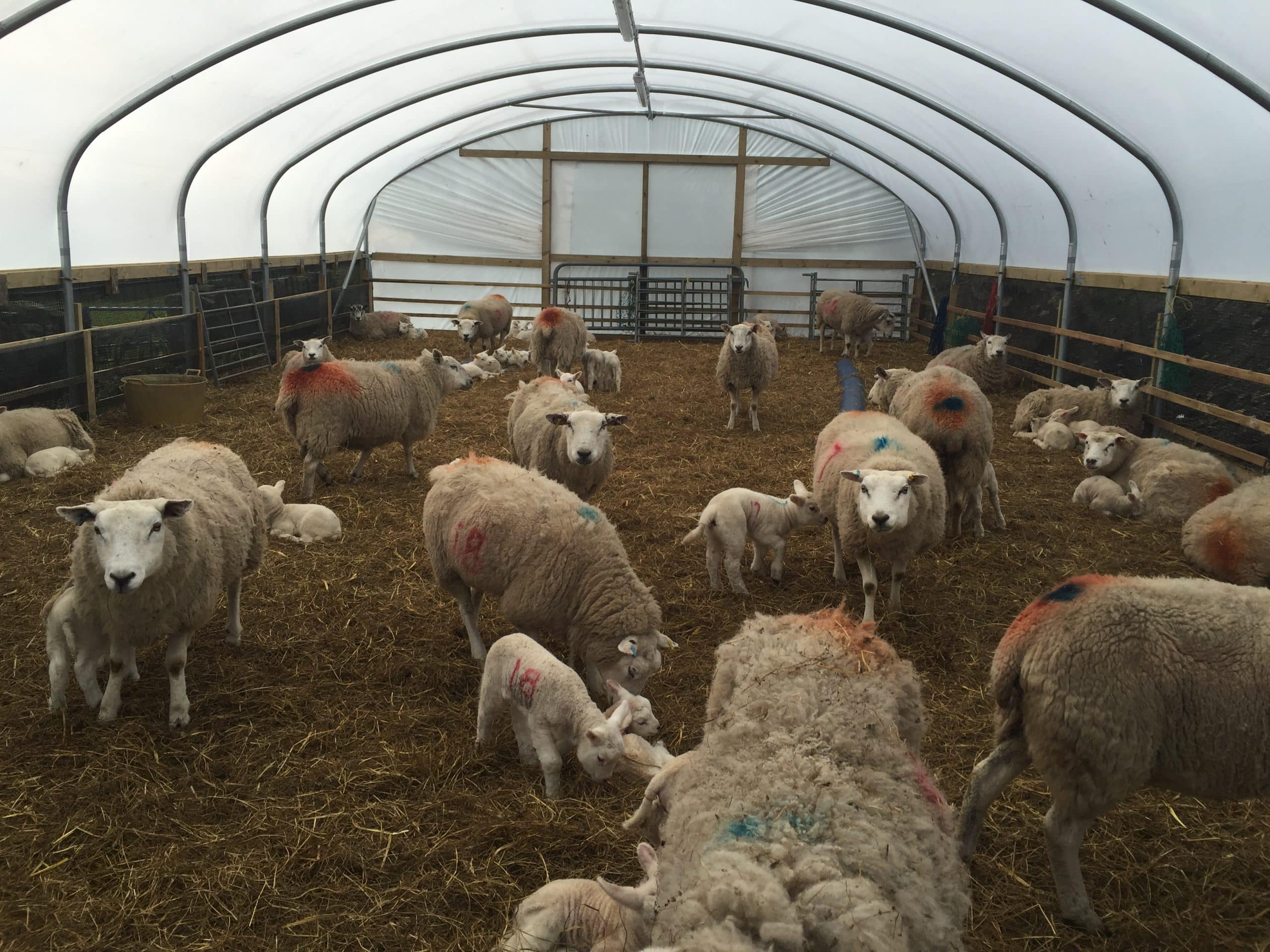
During the winter, a polytunnel can offer essential shelter for small livestock such as rabbits, chickens, ducks, or a few goats in a domestic setting. Keeping livestock in a polytunnel on a small scale can enhance your self-sufficiency, as these animals can contribute valuable resources.
They may provide food and also support organic gardening by supplying natural fertilizer for your crops. This integration of animals into your polytunnel setup can help maintain a more sustainable and self-reliant garden.
More unusual small-scale livestock like quail, or guinea pigs, for example, might also be housed at least some of the year inside a polytunnel.
5. Seating and Dining Areas
While growing food and plants is often the primary purpose of a polytunnel, it can also serve as a relaxing retreat. You can create a comfortable seating area within your polytunnel, whether by adding a simple hammock or setting up a more elaborate living or dining space.
This can be a cost-effective alternative to a summerhouse or gazebo for an outdoor, covered seating area or an area for dining.
You don’t need to spend a lot to create a cozy spot. Consider using reclaimed furniture or crafting your own from scrap materials like wooden pallets. Enhance your relaxation space by surrounding it with fragrant and attractive plants, which will make your time in the polytunnel more enjoyable.
Solar-powered lights can extend the use of your seating area into the evening, and with additional heating options, you can even enjoy this space throughout the year.
Other Recreational Areas for Polytunnel Ideas
A polytunnel can serve various purposes beyond gardening and seating. It can be transformed into diverse undercover leisure spaces, such as swimming pools or hobby areas. Here are some of the more creative and unconventional ways polytunnels have been used:
6. Swimming Pool
A polytunnel can be an excellent solution for covering a swimming pool in your backyard. It offers shelter and privacy while you swim, helping to shield you from curious neighbours.
For those interested in sustainable living, a polytunnel can enhance the benefits of a natural swimming pool that remains unheated and untreated. The additional warmth from the polytunnel can improve the comfort and usability of eco-friendly pools, making them a more viable option for green living.
7. Hot Tub
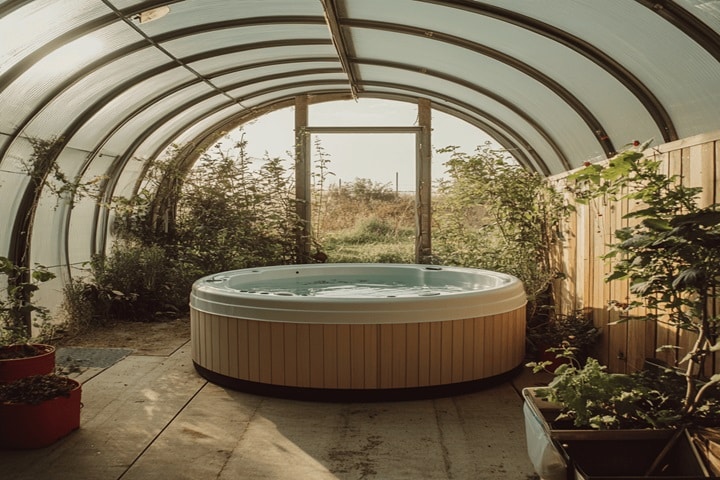
For a touch of luxury right in your backyard, consider installing a hot tub or jacuzzi inside your polytunnel. This setup allows you to enjoy a relaxing soak at any time of year, regardless of the weather outside. The controlled environment of a polytunnel ensures that your hot tub remains sheltered and accessible throughout all seasons.
Before proceeding, however, ensure that you have thoroughly planned for the necessary utilities. You’ll need to establish reliable power and water sources to the site. Proper installation and maintenance are crucial to ensure that your hot tub functions smoothly and remains a comfortable retreat throughout the year.
8. Art Studio/ Crafting Space
If you have a creative flair, a polytunnel can provide an ideal space for your artistic pursuits. With their bright, open, and airy environment, polytunnels are well-suited for use as art studios or crafting areas.
They offer a versatile extension of your living space, allowing you to immerse yourself in various hobbies without being confined indoors.
The natural light that floods a polytunnel can enhance your artistic process, whether you’re painting, sculpting, or engaging in other creative activities. This outdoor extension can become a dedicated sanctuary where you can fully indulge in and explore your creative passions.
9. A Child’s Playroom
If you have children, a polytunnel can be an excellent addition to your backyard, providing a versatile space for play and exploration.
Beyond its use for growing produce, a polytunnel can serve as a valuable storage area or an indoor-outdoor play zone for your kids.
On rainy days, it offers a sheltered space for crafting, messy play, and other activities, keeping children entertained regardless of the weather.
You can even set up a den or playhouse within the polytunnel to encourage imaginative play and creativity.
If you’re cultivating plants inside, it can also become a learning environment where children can engage with gardening and understand how their food grows.
This multifunctional space enhances both practical use and recreational opportunities for the whole family.
10. Work Space/ Workshop
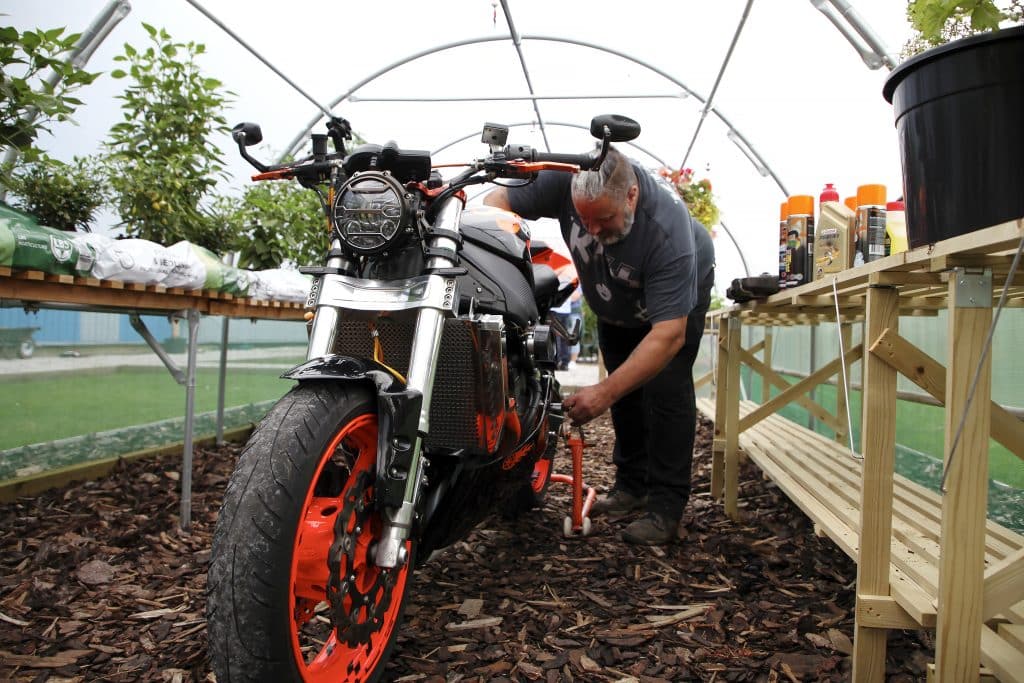
Domestic polytunnels offer a unique opportunity to work from home and can be adapted for various home-based businesses and ventures.
Gardeners using polytunnels might consider selling surplus produce or processing food into baked goods, preserves, or other products. Additionally, non-edible plants grown in a polytunnel could be used to create and sell handcrafted items such as soaps, perfumes, or organic artworks.
The extra space provided by a polytunnel can also be utilized in other ways by many other home-based businesses, offering an economical solution for additional storage or workshop space outside your main residence. This versatility makes a polytunnel a valuable asset for entrepreneurial homeowners or those considering starting a small business from home.
11. Drying Laundry on Wet Days
Last but certainly not least, a polytunnel can be an excellent solution for drying laundry, especially on those wet summer days common in the UK. Even with the unpredictable weather, there’s always a need to dry clothes, particularly if you have a family.
By stringing up one or two washing lines from the crop bars within your polytunnel, you can efficiently dry your laundry without cluttering your living space.
This method not only keeps your clothes from being hung indoors but also makes the most of the available space in your polytunnel.
Additionally, drying laundry inside a polytunnel can have a beneficial side effect on your plants. As your clothes dry, the increased humidity within the polytunnel can create a more favourable environment for plant growth.
This added moisture can help to maintain optimal conditions for your crops, making it a win-win situation. This dual-purpose use of your polytunnel maximizes its functionality, allowing you to manage your household chores and support your gardening efforts at the same time.
Expand your gardening knowledge further on our blog.
FAQs
What should you not grow in a polytunnel?
While polytunnels offer a controlled environment that can enhance plant growth, there are certain plants that might not thrive or may be unsuitable for this type of space.
You might want to avoid growing overly large, vigorous or spreading plants that will take up too much space and outcompete other plants you are trying to grow.
Be sure, also, to only grow plants suited to the growing conditions your specific polytunnel can provide.
What is the most profitable thing to grow in a polytunnel?
The most profitable crops to grow in a polytunnel are typically those that offer a high yield per square foot and mature quickly.
Examples include tomatoes, herbs, salad greens, and strawberries. These crops thrive in the controlled environment of a polytunnel, which extends their growing season and maximizes productivity.
By focusing on these high-return crops, you can make the most of the space and conditions available in your polytunnel.
How do I get the most out of my polytunnel?
First things first, choose the right plants and growing methods. To get the most out of your polytunnel, you should also consider several key practices. First, implement crop rotation to preserve soil health and fertility. This involves regularly changing the types of crops you grow in each area of the polytunnel to prevent nutrient depletion and reduce the risk of soil-borne diseases.
Utilize vertical space by incorporating climbing plants, such as beans or cucumbers, which can grow upwards and free up valuable ground space for other crops. To extend your growing season, plant early spring and late fall crops, taking advantage of the polytunnel’s ability to shield plants from adverse weather conditions.
Additionally, monitor and control the internal climate of the polytunnel by managing humidity levels and ensuring adequate ventilation. Proper ventilation helps prevent excess moisture, which can lead to fungal issues, while controlled humidity supports healthy plant growth. By combining these strategies, you can maximize productivity and efficiency within your polytunnel.
What is the disadvantage of a polytunnel?
The main disadvantage of a polytunnel is that the cover will not last forever. However, I have had mine for around ten years now and it is still going strong. You can also recycle the cover at the end of its life. Polytunnels can also get very hot in summer, and are not as warm as greenhouses in winter. But good design and planning can help mitigate any potential issues.
Sources
Fisher, S., (2023) How to grow your own okra. Gardener’s World. [online] Available at: https://www.gardenersworld.com/how-to/grow-plants/how-to-grow-your-own-okra/ [accessed 21/08/24]