How to Make Weeding Less of a Chore
Weeding is often viewed as one of the worst chores in a garden. But in an organic garden, it is important to rethink the way we look at weeds. An attitude adjustment is sometimes all that is needed to turn weeding into less of a chore.
How To Weed A Garden
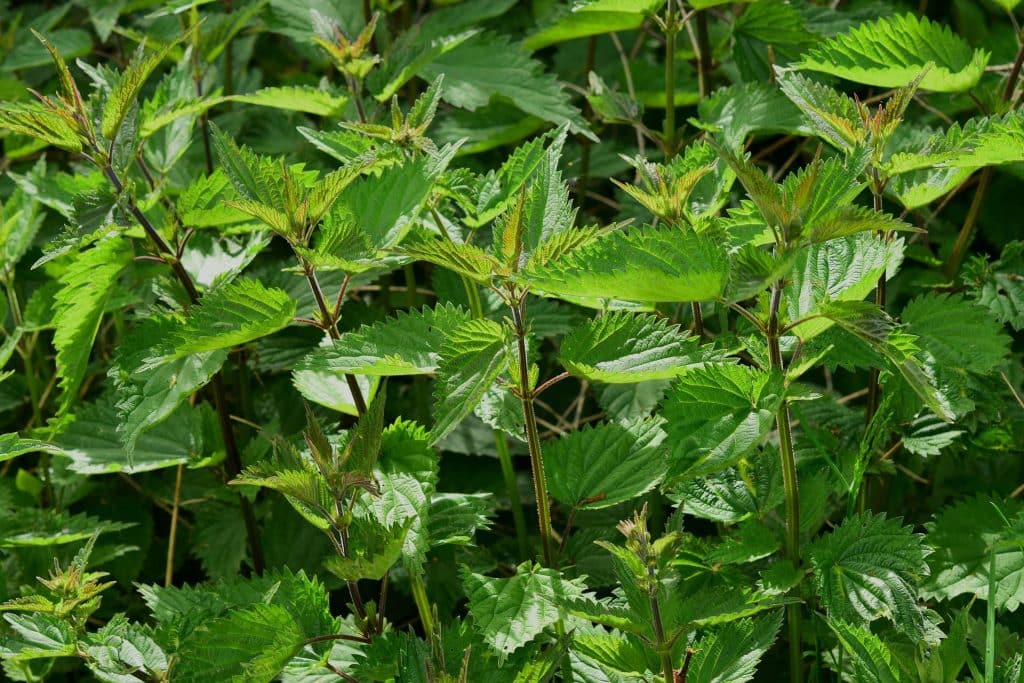
Those new to organic or natural gardening often worry about how they are going to keep their gardens weed free. But the truth of the matter is that you shouldn’t.
The key thing to remember when weeding a garden is that some weeds, in some places, can be extremely beneficial. Weeds are often just wild plants that are extremely well suited to, and thrive in, the conditions where you live.
Of course, weeding is still sometimes a necessity, where you wish to reduce competition in vegetable beds or borders, or prevent their encroachment into a particular area.
The key thing to remember when thinking about weeds is that it is place, not the specific plant, that determines whether something is a ‘weed’ and something that we want to get rid of.
When it comes to weeding, prevention is far easier and more effective than cure. The key is to take steps to reduce wild plant growth in areas where you do not want them. And some tips to reduce weed growth in growing areas can be found below.
Do You Really Need to Weed?
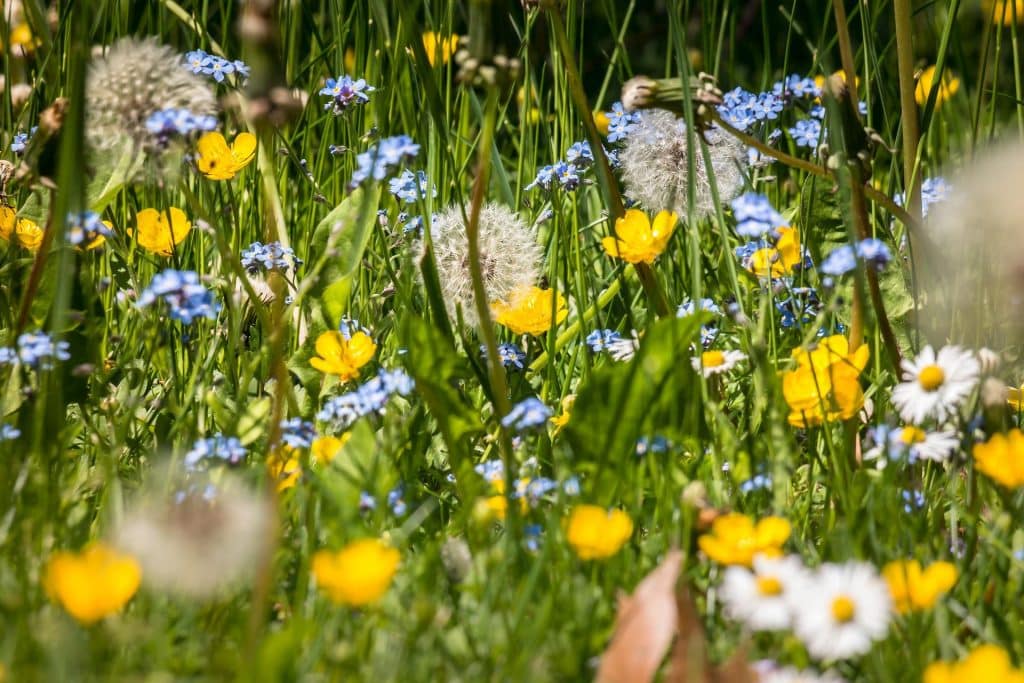
Rethinking the way we look at weeds really can make a big difference to the difficult of the chore. The first thing to consider is where weeds might actually be a beneficial addition to your garden.
One place were certain weeds might be beneficial is in a lawn. The plants we often think of as lawn weeds can often be extremely helpful within the ecosystem as a whole.
Dandelions, for example, should be desired in a lawn rather than eradicated. They have deep tap roots which can break up the soil, and gather nutrients other plant roots can’t reach. And when they die down at the end of the season, those nutrients return to the soil and help provide fertility for the grasses and other wild plants around them.
Of course, these wild flowers, along with many others commonly considered to be weeds in lawns also provide a boon for wildlife. They are a source of nectar for pollinating insects, and can also draw in beneficial predatory insects and other creatures that help keep pest numbers down.
People will also often weed around paving or along pathways in their gardens. But sometimes, in these places, between pavers or slabs, or in gravel, for example, weeds can still be beneficial. Some weeds can be attractive. And allowing as many living plants in your garden as possible can add benefits for wildlife, and wider ecology.
Of course, this will definitely depend on the weeds in question, as some could do damage to your paths, driveway or patio. But certain weeds won’t really do any harm at all.
Weeds can also definitely be beneficial in wild and less managed corners of your space. Dedicating even a small corner to let nature take the reigns really can do a lot of good, and help you play a role in fighting back against biodiversity losses. In a rewilded corner of your space, you can simply relax and watch and wild plants and the wildlife arrive.
Of course, where you are trying to create a productive perennial food producing area such as a fruit tree guild or forest garden, when you are growing annual crops in a vegetable garden, outdoors or in a polytunnel, weeds will often be far less wanted.
However, it is worth noting that some weeds like nettles for example are delicious and healthy edibles that can work well when controlled within a perennial food producing scheme. There are many edible weeds that can work well within perennial planting schemes.
Even in an annual garden, some weeds can be beneficial. Chickweed, for example, might sometimes be a useful ground covering companion plant.
So before you start weeding, think very carefully about whether those plants really are not wanted. Sometimes, they can be the right plant in the right place.
Reducing Weed Growth in Growing Areas
Where weeds are truly unwanted, reducing their growth can take different strategies depending on where precisely they grow. Just remember, taking steps to reduce weed growth in the first place will make weeding less of a chore long term, since there will be so much less weeding to do.
Preventing Weeds in Vegetable Beds
Using the right approach to creating and maintaining vegetable beds can help reduce weed growth from the outset.
Rather than digging or double digging a traditional in-ground bed, creating raised beds can reduce the amount of work required long term. The best approach to take is no dig gardening. This involves keeping digging or tilling in your garden to an absolute minimum.
Not disturbing the soil can mean that fewer weed seeds are exposed. And since, in a no dig garden, soil is kept covered as much as possible, this reduces the chances for weeds to take root.
In a no dig garden, rather than digging, we layer organic matter on the surface of the soil – basically building a composting system in place, rather than in a separate area (though we will likely have a separate composting area as well).
If we choose the right materials (free from weed seeds) the mulches spread regularly over the surface of the growing area reduce weed growth over time.
How you space, combine and lay out your plants in a vegetable garden is also important when trying to reduce weed growth. By spacing plants fairly closely, and companion planting to fill different ecological niches, we can leave less room for weeds and mean that fewer pop up in our growing areas.
Planning irrigation and watering wisely can also help you reduce weed growth in annual production areas, so this is something else to think about to keep weeds down.
Preventing Weeds Around Perennial Plantings
Dense and layered planting will also reduce weeds in perennial planting areas. By combining layers of plants (trees, shrubs, climbers, taller herbaceous plants and groundcovers) we leave less space for plants that are not beneficial to us or the ecosystem.
Again, mulching with organic matter, or chopping and dropping plants from within the system to cover the soil can also help to keep weed growth down.
Where weeds encroach around the edges of a system, we can also use plants to keep them at bay. Plants like comfrey, for example, can be used as a barrier of sorts to stop weeds from spreading into a given growing area. Spring ephemeral bulbs like daffodils, for example, around the edges of the space, can be used to limit grass growth into a fruit tree or forest garden.
Through careful design and planting, we can often reduce our workload considerably moving forwards and create a far lower maintenance garden.
How to Make Weeding Easier
Of course, even when you take these steps, some weeding will still usually be required. So here are a few tips to make that job a little bit easier.
Think of Weeding as Harvesting
First things first, it can make things easier if you think of weeding as harvesting. Weeds can, as mentioned above, often be edible, and many can also, or alternatively, have additional yields. For example, weeds are sometimes used for plant fibre, and many plants considered to be weeds can also be used for crafting, dyes, or a range of other things.
Even when weeds don’t have specific uses of this type, they might still be used in other ways in your garden. Some weeds might simply be chopped down and left to return the nutrients they contain to the soil. Others might be added to a compost heap. Still others may be added to a hot composting system, or broken down in water and used to make an organic liquid plant feed.
When we think of weeding as harvesting, the process of picking those weeds can seem somehow less onerous, since we know that we will get something from the process.
Weed Little and Often (Casual Weeding)
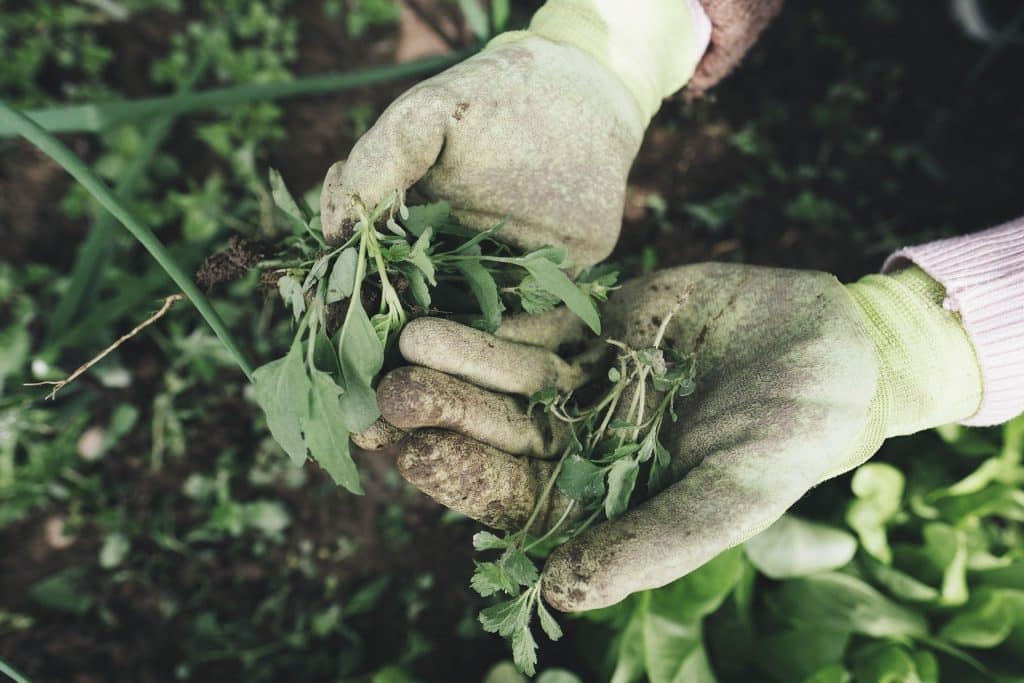
Another tip that really can help you feel less overwhelmed by weeding is a general approach that we might call ‘casual weeding’.
Rather than setting aside a large amount of time to deal with a major weed problem, casual weeding involves simply pulling a weed here and a weed there as we go about other tasks in our gardens. If you simply pull the odd weed as you pass by, it is far easier to stay on top of the problem, and make sure that you don’t end up having to devote a lot more time to the task.
Investing in Helpful Tools
Finally, when you are weeding, pulling by hand can be fine for many examples of weeds. But getting a few tools can make things easier. For example, a hoe might make it easier to remove weeds between crop rows in an annual bed.
There are a huge range of tools for weeding that you might consider buying for your garden – many not strictly necessary. But it can be a good idea to look at things like personal preference and ergonomics to find the tool or tools that are personally right for you.
References:
https://www.treehugger.com/make-weeding-less-chore-5324615