

Drying your own home grown fruit is a way to make sure that none of your harvest goes to waste, and a way to make sure that you enjoy the fruit you grow far beyond the usual harvest period.
Whether you have a glut of apples, plums, berries, or even figs and grapes ripened in your polytunnel, dehydrating fruit is a simple, sustainable, and highly rewarding practice. Read on for more about how to dry fruit safely and effectively.
Pretreating Fruit before Dehydrating
Before you begin drying, it is often worthwhile to prepare your fruit properly. Pretreating helps maintain colour, flavour, and texture while also discouraging mould and bacteria.
Some fruits, such as apples, pears, apricots, and peaches, benefit from being dipped in a lemon juice or ascorbic acid solution to prevent browning. Others, such as berries, may simply need a quick wash and patting dry.
Pretreating may also involve blanching for certain fruits with tougher skins, such as plums or cherries, to help break down the waxy cuticle so that moisture can escape more readily.
Selecting Fruit for Dehydration
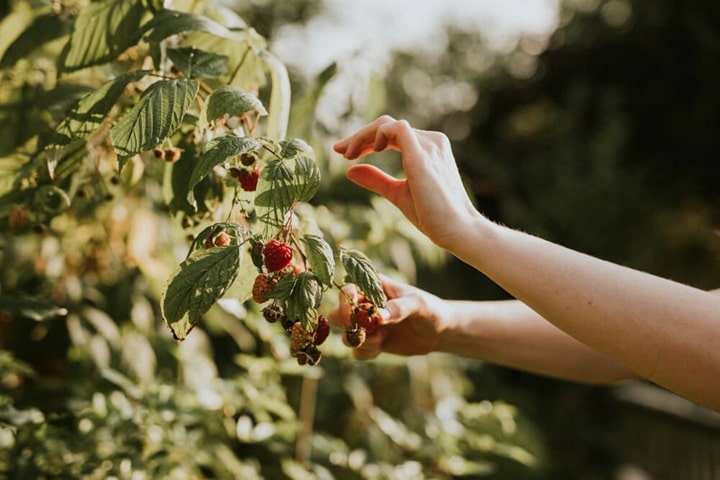
Polytunnels open up exciting possibilities when it comes to the range of fruits you can grow and dehydrate.
Apples and pears are traditional choices, and their firm texture makes them ideal for slicing into rings or wedges. Dwarf trees may be suitable for polytunnel cultivation.
Soft fruits such as strawberries, raspberries, and blackberries are equally suitable, though they tend to dry into smaller, chewy pieces.
Grapes can be transformed into raisins, while plums become delicious prunes.
Stone fruits like apricots, peaches, and nectarines can all thrive in a protected polytunnel environment and produce wonderfully sweet dried snacks.
More adventurous gardeners may also grow figs, which, when dehydrated, concentrate their rich, honeyed flavour, or even kiwis, which make a tangy, unusual dried treat.
Tomatoes, often considered in the fruit category for drying, can also be grown abundantly in a polytunnel and preserved for winter use in savoury dishes.
Ultimately, nearly any fruit that can ripen under cover can also be dried, allowing you to extend the bounty of your polytunnel into the cooler months.
The quality of your dried fruit will depend heavily on what you begin with. Only pick fruit at peak ripeness. Overripe fruit tends to become sticky or tough when dried, and underripe fruit may taste sharp or sour.
Opt for fruit that is free from blemishes, bruises, or mould. Even a small patch of rot can taint the flavour of your entire batch.
Uniform size also matters. Slice apples, pears, and other firm fruits into consistent pieces, ideally no more than around 5mm thick, so that they dry evenly.
Lemon Juice or Ascorbic Acid Treatment
A quick soak in lemon juice or a diluted ascorbic acid solution (vitamin C powder dissolved in water) will help prevent enzymatic browning. This is particularly useful for apples, pears, peaches, and bananas.
To do this, mix two tablespoons of lemon juice (or one teaspoon of ascorbic acid) with around 500ml of cold water. Dip the slices in for 5 minutes before laying them out for drying. This step not only preserves colour but can also impart a fresh tang that enhances flavour.
Drying Fruit Naturally
If you prefer to dry fruit without electricity, natural methods can be very effective – though they are more dependent on weather conditions.
In a warm, dry, and sunny climate, fruits can be dried outdoors on racks or screens. Air circulation is crucial, so make sure the fruit is not sitting directly on a solid surface. Cover with a fine mesh or muslin cloth to keep insects away.
In the UK, full outdoor drying can be tricky due to humidity and unpredictable weather. However, if you have a sunny polytunnel, you can use it as a natural dehydrator. Place your sliced fruit on mesh trays with good airflow, and rotate regularly to ensure even drying. Be sure to cover to prevent any problems with pests and check regularly for moulding.
Dehydrators for Drying Fruit
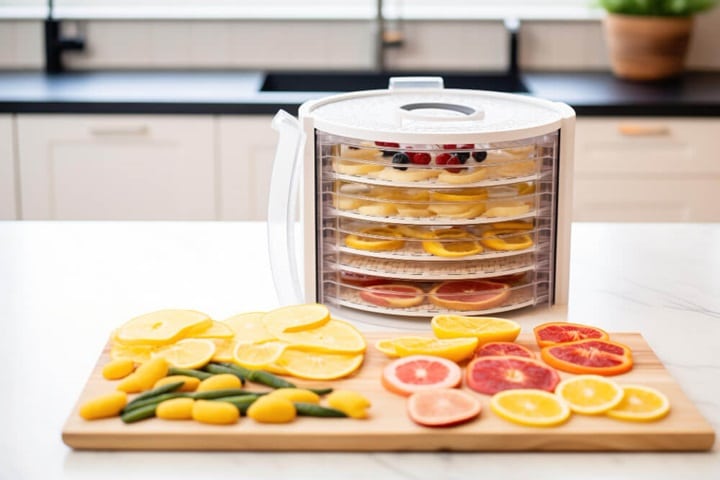
If possible, using a dehydrator to dry fruit is a far more efficient and effective way to dry the fruit that you grow in your polytunnel.
- Electric Dehydrators
Electric dehydrators come in various sizes, from small countertop versions for occasional use to larger units suited for preserving big harvests. Most operate at temperatures between 40–70°C, with airflow designed to remove moisture gradually while preserving nutrients and flavour.
Though there is an upfront investment and an energy cost, electric dehydrators are highly efficient and provide consistent results even in more humid climates like that we have here in the UK.
- DIY Solar Dehydrators
For those who prefer a low-tech and eco-friendly option, solar dehydrators are a wonderful choice.
Making your own is simpler than you might think. A basic design includes a wooden frame with a slanted glass or clear plastic cover to capture sunlight. Inside, mesh trays hold the sliced fruit, while vents at the bottom and top allow air to flow through.
The dark-coloured interior absorbs heat efficiently, and positioning the dehydrator to face south maximises solar gain. Some gardeners add a simple chimney at the back to help draw warm air upwards more effectively.
You can repurpose old windows, pallets, and food-safe mesh to construct an inexpensive model at home.
A solar dehydrator works by trapping the sun’s heat and channelling it through trays of fruit. Ventilation is key: warm air rises through the system, carrying away moisture. Even in the UK, a well-designed solar dehydrator can achieve excellent results during summer.
Especially when combined with a polytunnel, this can be a really cheap but effective and efficient way to dry fruits at home when the weather is fine.
- Compost-Heated Dehydrator
A compost-heated dehydrator is another clever, sustainable way to preserve fruit by harnessing the natural heat produced during decomposition.
When a compost heap is built with the right balance of nitrogen-rich greens and carbon-rich browns, it can generate core temperatures of 50–70°C – ideal for gentle drying.
By placing a heat-proof chamber within the active core of the heap, or directing the heat through water or air filled pipes, this renewable warmth can be channelled into a low-tech food preservation system.
The chamber may be a metal box or mesh-lined frame, ventilated to allow airflow. Fruit slices are arranged inside on racks, kept away from direct contact with the compost, of course. Convection can be encouraged by incorporating pipes for air movement, helping warm air flow steadily through the chamber. Regular monitoring is essential: using a thermometer ensures the drying environment stays within the 40–60°C range, preventing spoilage or case hardening.
This approach requires more time and care than an electric dehydrator, but it has clear ecological benefits. It makes use of energy already generated in your garden, reduces reliance on electricity, and integrates neatly into a permaculture system. Once the composting process is complete, the material itself becomes a valuable soil amendment, closing the loop in sustainable food production.
How To Dry Fruit In The Oven
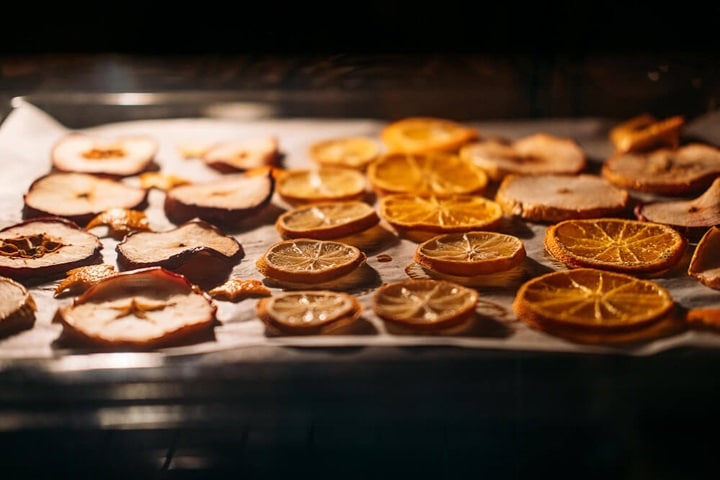
If you don’t have a dehydrator, or the weather leaves something to be desired, an oven is a practical alternative to dry the fruits you grow. Preheat to the lowest setting, usually around 50–60°C. Place fruit slices on baking parchment over trays and keep the oven door slightly ajar to allow moisture to escape.
This method requires more monitoring to avoid over-drying or burning. Fruits may take anywhere from 4 to 12 hours to fully dehydrate, depending on their water content and thickness.
How Long Does Dried Fruit Last?
When properly dried and stored, most fruits will last for 6–12 months. The key is ensuring that the fruit is fully dehydrated. If any residual moisture remains, mould can develop quickly.
Crisp, leathery textures usually indicate that fruit is sufficiently dried. For added safety, condition the dried fruit by storing it loosely in a jar for a week, shaking it daily. This allows any remaining moisture to redistribute evenly, reducing the risk of mould.
What Can I Do With Dried Fruit?
Dried fruit is incredibly versatile. It makes a healthy snack, a nutritious lunchbox filler, and a great addition to breakfast cereals, porridge, and yoghurt. It can be added to baking, from fruit cakes to flapjacks, or incorporated into savoury dishes like Moroccan tagines.
Rehydrated, dried fruit can be used in compotes, sauces, or pie fillings. You can also use it in homemade trail mixes, granola, or combine it with nuts and seeds for a balanced snack.
Fruit leathers – essentially sheets of pureed, dried fruit – are another delicious option, especially for children.
Packing & Storing Dehydrated Fruit
Storage is just as important as the drying process itself. Dried fruit should be kept in airtight containers to prevent it from reabsorbing moisture from the air.
Glass jars, vacuum-sealed bags, or food-safe plastic tubs all work well. Keep containers in a cool, dark place to maintain flavour and nutrient content. For long-term storage, refrigeration or freezing can significantly extend the shelf life of your dried fruit.
Drying fruit from your polytunnel is an age-old skill that links us with generations past, while also providing a sustainable way to make the most of your harvest today. With the right techniques and a little patience, you can enjoy the taste of summer fruit long into the winter months.
At First Tunnels, we are passionate about helping gardeners make the most of their harvests. A polytunnel not only extends your growing season but also allows you to cultivate a wider variety of fruits than you might achieve outdoors.
By combining polytunnel growing with preservation methods such as drying, you can enjoy home-grown produce all year round. Investing in the right tunnel structure and accessories ensures you have the perfect environment for growing and ripening fruit, while our expert tips help you turn that abundance into delicious dried snacks, ingredients for baking, or long-lasting pantry staples.
A polytunnel really is the first step towards greater self-sufficiency, sustainable living, and making sure none of your home-grown crops go to waste.
FAQs
How Long Does It Take To Dehydrate Fruit?
Drying times vary depending on fruit type, slice thickness, and drying method. Apples and pears usually take 6–8 hours in a dehydrator, while juicy fruits like plums or grapes may take 12–24 hours. Of course, oven drying can take longer, and naturally drying longer still.
Can You Dehydrate Fruit Naturally?
Fruits can be air-dried outdoors or in a polytunnel if conditions are hot and dry enough. Solar dehydrators are an excellent natural method that is more realistic for our humid UK climate.
Do You Put Anything On Fruit Before Dehydrating?
Lemon juice or ascorbic acid is commonly used to prevent browning. Some fruits, such as bananas, may benefit from a honey dip for added sweetness and improved texture.
Do You Have To Soak Fruit Before Dehydrating?
No soaking is required, though pretreatment in acidic solutions is useful for certain fruits. Blanching can also help speed drying in fruits with thick skins.
How Long Does Dehydrated Fruit Last?
Stored properly in airtight containers in a cool, dark place, dried fruit will last for up to a year. Freezing extends this even further.
Can You Make Fruit Leathers At Home?
Absolutely. Simply puree ripe fruit, spread evenly on a non-stick dehydrator tray or baking parchment, and dry until pliable but not sticky. Roll up and store in airtight jars or wrap in parchment.
Sources
Remedios, F., (2025) The best time to have dry fruits and nuts, according to experts. Glamour Magazine. [online] Available at: https://www.glamourmagazine.co.uk/article/when-eat-dry-fruit-nuts [accessed 21/08/2025]