

Growing cherries under cover may not be the most common polytunnel pursuit, but with a thoughtful approach and some permaculture-informed planning, cherry trees can thrive in a protected environment.
Whether you’re dreaming of early summer fruits, nurturing biodiversity, or building a more resilient food system in your garden, cherries are a rewarding long-term addition.
In this article, we’ll explore how do cherries grow, and how you can cultivate these delicious fruits in your polytunnel or elsewhere in your garden.
Month by Month
| Jan | Feb | Mar | Apr | May | Jun | Jul | Aug | Sep | Oct | Nov | Dec | |
| Plant |  |
|
|
|
||||||||
| Flower | |
|
||||||||||
| Prune | |
|
||||||||||
| Harvest | |
|
|
Cherry tree sizes
Before planting, it’s essential to understand the different tree sizes available. Cherries are grafted onto various rootstocks, which determine their eventual height and spread:
- Dwarf trees (e.g. Gisela 5 rootstock): Ideal for small gardens and containers, reaching around 2–3 metres.
- Semi-dwarf or semi-vigorous (e.g. Colt or Krymsk 5): Good for fan-training in polytunnels or against walls. Height 3–4.5 metres.
- Vigorous (e.g. Mazzard): Suitable for orchards or large outdoor spaces. Can grow over 6 metres tall—less suited to polytunnels.
When choosing a tree for a polytunnel, opt for dwarf or semi-dwarf varieties that can be pruned and trained to fit the space without shading out other crops or outgrowing their bounds.
How to grow cherries
Cherries, whether sweet (Prunus avium) or sour (Prunus cerasus), are deciduous trees that require winter chill to fruit well. They flower in early spring and produce fruit by midsummer. In polytunnels, this cycle can shift slightly, often leading to earlier flowering and harvest.
Growing cherries is about more than simply planting a tree. It involves careful planning, soil care, and continual observation. But the reward—a bowl of ripe, sun-warmed cherries straight from the tree—is worth the effort.
Where to grow cherry trees
In the UK, cherries grow best in sunny, sheltered locations with fertile, well-drained soil. In exposed gardens, blossoms and young fruits are vulnerable to wind damage, frost, and rain-induced rot.
This makes a polytunnel an ideal microclimate: warmer, drier, and protected from harsh elements… perfect as long as the cherry tree has space to grow.
Planting cherry trees
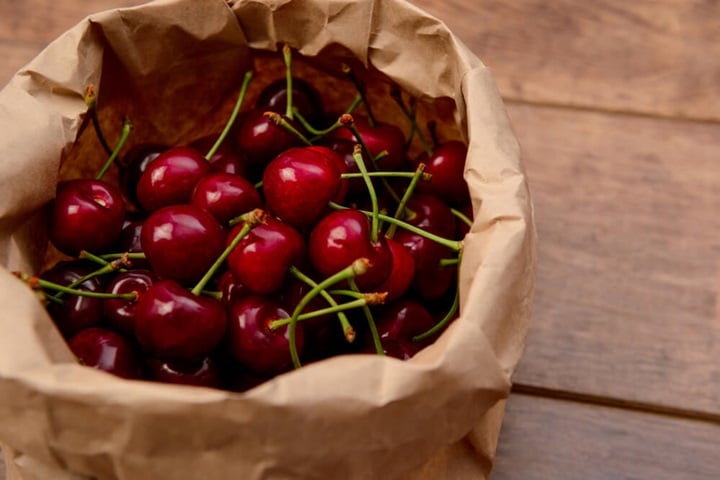
Cherries should be planted in late autumn or winter (when dormant), ideally between November and February, though container-grown trees can be planted year-round if well cared for.
Steps for planting:
- Prepare the soil. Add well-rotted compost, avoiding overly rich or nitrogen-heavy amendments.
- Dig a generous hole, at least twice the width of the rootball.
- Plant at the same depth as it grew previously, keeping the graft union above the soil line.
- Water well
- Mulch around the base with wood chip or leaf mould—keeping mulch away from the trunk.
- Planting in a container
Cherries grow surprisingly well in large containers, which makes them perfect for polytunnel cultivation where soil is limited or heavy.
Choose a dwarf rootstock variety, and use a large pot (at least 45–50cm wide and deep). Fill with a mix of loam-based compost (like John Innes No. 3), perlite for drainage, and organic matter for fertility.
Ensure your pot has good drainage and is raised slightly to prevent waterlogging. Mulch annually and repot every 3–5 years to refresh nutrients and prevent root compaction.
How to care for cherry trees
Cherries, though fairly self-reliant once established, do best with a little seasonal attention. In a polytunnel setting, the microclimate can bring both benefits and challenges—earlier fruiting, but also higher humidity and pest potential. A consistent care routine helps mitigate these risks.
Watering
Cherries require consistent moisture, especially from flowering through to harvest. Polytunnel-grown trees are sheltered from rain, so regular watering is essential.
Water deeply once or twice a week in dry spells. Use a mulch layer to retain soil moisture and regulate temperature. Avoid waterlogging—cherry roots resent ‘wet feet’.
Container-grown cherries will need more frequent watering, especially during fruiting.
Mulching
Mulch is vital in any permaculture system. For cherries:
- Use wood chips, leaf mould, or straw to suppress weeds, hold moisture, and feed soil life.
- Apply in early spring and top up in autumn.
- Keep mulch a few inches away from the tree trunk to prevent rot.
Over time, mulching will build a rich fungal soil web, ideal for trees and other perennial crops.
Pruning and training cherries
Unlike apples or pears, cherries should be pruned in summer to avoid silver leaf disease, a fungal infection common in the UK. In July or August, prune for shape, airflow, and to remove crossing or damaged wood. Use clean, sharp tools.
For polytunnels, train cherries as fans against vertical supports or as espaliers to maximise space.
Good training and pruning ensures sunlight reaches ripening fruit and improves airflow—reducing disease risk.
Feeding
Cherries are not heavy feeders, especially if grown in fertile soil. But an annual feed in early spring helps promote healthy growth and fruiting.
Apply homemade compost, comfrey tea, or an organic potassium-rich fertiliser (such as seaweed extract) just as buds begin to swell. Avoid excessive nitrogen, which can lead to leafy growth at the expense of fruit.
Feeding container-grown trees is especially important, as nutrients leach quickly.
Protecting blossom and fruit
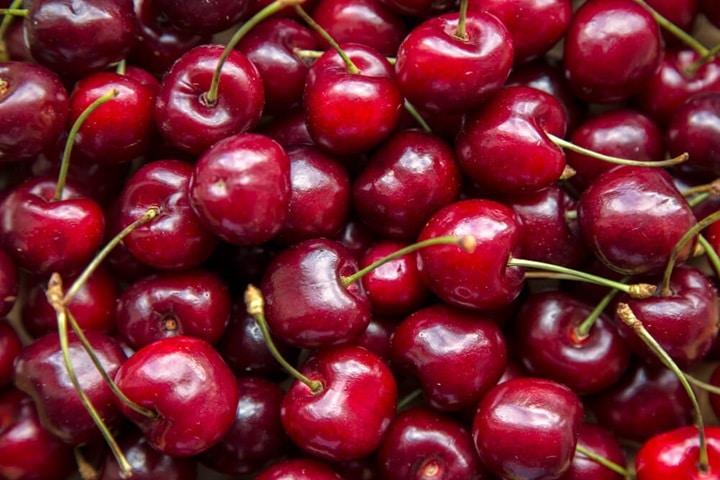
One of the key advantages of growing cherries under cover is protecting delicate blossoms from spring frosts and fruit from birds and rain.
In early spring, ventilate the polytunnel on mild days to allow pollinators access. If pollination is poor, consider hand pollinating using a small paintbrush.
Keep an eye on temperature swings. Cover blossoms with fleece if a hard frost is forecast. Birds love cherries, so netting or using mesh barriers may be needed even in a tunnel, when doors are open in summer.
Harvesting cherries
Cherries typically ripen in June to early July in the UK—earlier in polytunnels. Harvest when fully coloured and sweet to the taste. Unlike some fruits, cherries do not ripen off the tree.
Gently twist the stem or use scissors to harvest without damaging the branch. Pick in the morning when cool for the best storage results. Handle the cherries carefully—bruised cherries perish quickly.
Use the cherries you harvest as quickly as possible. There are of course plenty of delicious cherry recipes to try, whatever kind of cherries you are growing. Canning methods can be used to preserve your harvest if you cannot use it up all at once.
Storing cherries
Cherries are best enjoyed fresh, but short-term storage is possible:
- Keep unwashed cherries in a container in the fridge for up to 5–7 days.
- For longer storage, cherries can be frozen, dried, or preserved as jam, cordial, or in syrup.
- Remove stems and stones before freezing for ease of use later.
A cherry tree in a polytunnel can easily produce several kilos of fruit—perfect for building up your home-grown-food pantry, or sharing with your local community.
Growing cherries: problem solving
Even under cover, cherries are not without challenges. Common issues include:
- Birds: Netting and physical barriers offer the best protection.
- Aphids: Use organic sprays or encourage predators like ladybirds.
- Cherry blackfly: Pinch off infested tips or spray with neem oil or soapy water.
- Brown rot (fungus): Improve airflow, prune affected areas, and remove fallen fruit promptly.
- Poor fruiting: May be due to lack of pollination—ensure compatible cultivars are nearby or try hand pollination.
Regular observation, good hygiene, and encouraging natural predators all contribute to a healthy cherry tree ecosystem.
Five cherry varieties to try
When choosing cherries for a UK garden or polytunnel, select varieties suited to your climate and space. Here are five excellent options:
1. ‘Stella’
A self-fertile sweet cherry, ideal for smaller spaces and containers. Reliable and productive, with large, dark fruits.
2. ‘Sunburst’
Another self-fertile variety with glossy, sweet cherries and good resistance to splitting. Excellent for fresh eating.
3. ‘Morello’
A sour cherry suited for cooking and preserving. Grows well in partial shade and is ideal for fan-training under cover.
4. ‘Lapins’
Vigorous and productive, with sweet, dark fruit. Self-fertile and relatively disease resistant—good for slightly larger polytunnels.
5. ‘Sweetheart’
Late-ripening, extending the harvest into August. Excellent flavour and good pollination for other trees.
Growing cherries in a polytunnel is a delightful, if sometimes overlooked, way to bring fruit production closer to home. With thoughtful placement, organic care, and seasonal observation, cherries can become a cherished part of your edible ecosystem.
Want to grow other fruits? Stay updated with these guides:
FAQs
u003cstrongu003eHow do I stop ants climbing my cherry tree?u003c/strongu003e
Ants are usually a sign that aphids are present, as they farm them for the sticky honeydew they produce. Rather than focusing solely on the ants, the more sustainable approach is to address the root of the issue—aphids.u003cbru003eEncourage natural predators like ladybirds, hoverflies, and lacewings by planting nectar-rich flowers nearby. Creating a companion planting guild for your tree can help to protect the tree from a range of pests, as well as benefiting it in a number of different ways.u003cbru003e
u003cstrongu003eCan I move a 2m cherry tree?u003c/strongu003e
Yes, it’s possible to move a cherry tree of around 2 metres, but timing and technique are crucial. The best time to transplant is late autumn to early winter (when the tree is dormant), and success is more likely if the tree is relatively young—ideally under five years old.
u003cstrongu003eWhat cherry varieties are best suited for polytunnels?u003c/strongu003e
Not all cherry varieties are suited to confined spaces or warmer indoor climates. The best types for polytunnel cultivation are compact, self-fertile, disease-resistant varieties grafted onto dwarf or semi-dwarf rootstocks.u003cbru003eWhen growing in a tunnel, always keep airflow in mind and choose rootstocks like Gisela 5 for manageable size and early fruiting.u003cbru003e
Sources
Olive Magazine. (2021) 35 Cherry Recipes. [online] Available at: https://www.olivemagazine.com/recipes/collection/best-ever-cherry-recipes/