

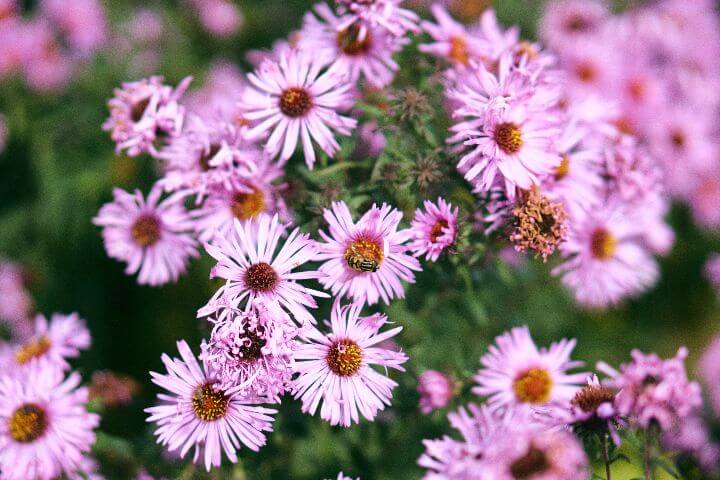
Echinacea is not native to the UK, but it can often do well here, whether in a polytunnel or elsewhere in a garden. The key to growing echinacea, a useful companion plant, pollinator plant and medicinal herb successfully is to understand the conditions and care that it requires.
KEY TAKEAWAYS
- Echinacea (purple coneflower) is a hardy perennial herb native to North American prairies but adapts well to the UK climate.
- It thrives in full sun and well-drained soil, making it ideal for raised beds or free-draining borders both in and outside a polytunnel.
- The plant is highly valued as a pollinator magnet, attracting bees, butterflies, and hoverflies throughout late summer.
- Avoid overwatering — echinacea dislikes heavy or waterlogged soils and prefers moderate moisture levels.
- It can be grown from seed or by division, and once established, it returns reliably each year with minimal maintenance.
- In a polytunnel, echinacea benefits from protection against excessive rain and cold, particularly in northern or damp regions.
- Beyond its ornamental and ecological value, echinacea has traditional medicinal uses, especially for immune support.
- Leave the seed heads standing through winter to provide food and shelter for birds and beneficial insects.
- Planting echinacea alongside herbs such as calendula, chamomile, and yarrow creates a healthy, diverse garden ecosystem.
Why Grow Echinacea?
Echinacea is a prairie or meadow plant, native to eastern and central parts of the United States. It can potentially grow in USDA zones 3-9, and its wide adaptability to a broad range of climates and conditions means that it is popular to grow it in other places where it is not native, including in the UK.
This is a popular plant to grow for a range of reasons. One of those reasons is that it is attractive to pollinators – including some of our own native species here in the UK. The RHS lists a number of Echinacea varieties as ‘good pollinator plants‘.
There are several different Echinacea species that might be grown in UK gardens, but the most common is Echinacea purpurea. Also known as purple coneflower, you will find a number of named varietals of this plant, including larger and more compact options that can work well for different UK gardens.
Some newer hybrids offer a wider range of colours – from pale pinks to deep magentas, oranges and whites – hough many traditional gardeners prefer the classic purple forms for both resilience and medicinal potency.
Beyond its beauty and wildlife value, echinacea is also valued for its herbal and medicinal uses. The roots, leaves and flowers have long been used in herbal medicine, traditionally thought to support the immune system and to help the body fight infections, especially colds and flu.
In a permaculture context, echinacea also earns its place. It attracts beneficial insects, contributes to plant diversity, and can serve as a companion plant for crops such as cucumbers and peppers, helping to draw pollinators deeper into your polytunnel. The flowers also provide nectar late in the season when food sources are diminishing, helping to sustain local bee populations.
Whether or not you use it for this purpose yourself, having a stand of growing echinacea in your garden or polytunnel can bring both aesthetic and ecological benefits.
Key Details about Growing Echinacea
Echinacea is a perennial plant, meaning it should come back year after year once established. It forms a sturdy clump of dark green leaves and produces upright stems topped with large, conical flowers from midsummer into autumn. Each flower can last for several weeks, and even when the petals fade, the spiky seed heads can remain attractive through the winter months – especially when dusted with frost.
These seed heads are not only ornamental but also wildlife-friendly, providing food for birds such as goldfinches, who love to pick at the dried seeds. So, resist the temptation to deadhead too thoroughly in autumn; instead, leave some stems standing for both structure and biodiversity.
Echinacea prefers:
- Full sun: At least 6 hours per day if possible.
- Well-drained soil: Sandy loam or gravelly beds are ideal.
- Moderate fertility: Too much nitrogen leads to weak, floppy growth.
- Slightly acidic to neutral pH: Between 6.0 and 7.0 is perfect.
- Regular watering during establishment: But once mature, echinacea is drought-tolerant.
If you are growing echinacea within a polytunnel rotation, it pairs well with other herbal companions such as chamomile, calendula, yarrow and lavender – all of which prefer similar light and drainage conditions. These plants not only make good herbal allies but also encourage beneficial insects and improve pollination for fruiting crops nearby.
Growing Echinacea in a Polytunnel
Growing echinacea under cover in a polytunnel can be particularly helpful in many parts of the UK, especially in northern regions or in areas with heavy rainfall or poor drainage. While echinacea is a hardy perennial that can withstand frost, it does prefer free-draining soils and can struggle with prolonged winter wet – something many UK soils are prone to.
In a polytunnel, you have more control over these conditions. The protection from excessive rainfall and the slightly warmer microclimate can give your echinacea a head start and help the plants establish faster. Once well established, they will often overwinter quite happily even if you move them outside later.
That said, echinacea does not like to be too pampered. This is a plant that evolved to thrive in the open prairies – in full sun, with lean soils and plenty of air circulation. So if you grow echinacea in a polytunnel, try to mimic those natural conditions as closely as possible.
Choose a sunny spot within your tunnel, ideally one that doesn’t get overshadowed by taller crops like tomatoes or sweetcorn later in the season. The soil should be free-draining and not overly rich. If your polytunnel beds are high in organic matter, consider mixing in some coarse sand or grit to improve drainage and reduce nutrient density. Echinacea grows best where the soil is not waterlogged and not too fertile.
If your polytunnel tends to be humid, make sure there’s good ventilation. Overly damp air can encourage fungal problems, particularly in spring or autumn. Opening the tunnel doors on sunny days and allowing a good through-draught will help echinacea (and many other herbs) to thrive.

Growing Echinacea from Seed
Echinacea can be grown from seed relatively easily, though it does benefit from cold stratification, which is a short period of chilling that mimics winter conditions and helps to break dormancy.
To grow echinacea from seed:
- Sow indoors in late winter or early spring.
Place the seeds in trays or pots filled with a good-quality, free-draining seed compost. Cover lightly – just enough to exclude light, as echinacea seeds germinate best in the dark. - Chill before germination.
Many gardeners find better results if the seeds are chilled in the fridge for about 2–4 weeks before sowing, or if the sown trays are left outside in a sheltered spot for a few weeks to experience natural temperature fluctuations. - Germination conditions.
Once moved into warmth (around 20°C), seeds should begin to germinate within 10–20 days. Keep the compost slightly moist but never soggy. - Prick out and grow on.
Once the seedlings are large enough to handle, prick them out and pot them individually. Grow them on in bright light, keeping them well ventilated to avoid damping off. - Transplanting.
When the young plants have a few sets of true leaves and the risk of frost has passed, you can transplant them into your polytunnel beds or pots. Space them about 30–45cm apart to allow for mature growth.
If you prefer, you can also divide established echinacea clumps every few years in early spring or autumn. Division is often the easiest way to maintain vigour and expand your collection, as older clumps can become congested over time.
Caring For Echinacea
Once planted, echinacea requires very little maintenance. It is a plant that rewards benign neglect – too much fussing or feeding can actually reduce flowering.
Here are a few care tips:
- Water sparingly: Keep the soil evenly moist during the first growing season, but once established, echinacea can tolerate dry spells very well.
- Mulch lightly: A thin mulch of gravel or composted bark can help suppress weeds and protect roots, but avoid smothering the crown.
- Cut back in late winter: Leave the seed heads through winter for wildlife, then cut the stems back to the base in early spring as new growth begins.
- Avoid overfeeding: High fertility leads to lush foliage and fewer blooms.
- Support tall varieties: In very sheltered tunnels, some taller cultivars may benefit from gentle staking to prevent them toppling over.
If you are using echinacea for herbal medicine, it is worth noting that the roots of E. purpurea and E. angustifolia are most commonly used. These are typically harvested after two to three years of growth. However, if your primary goal is to support pollinators and add beauty to your garden, there is no need to disturb the roots – simply enjoy the flowers year after year.
Problems Growing Echinacea
Echinacea is generally quite robust, but there are a few potential problems to watch for, especially under polytunnel conditions.
- Poor drainage and root rot
The most common issue is crown or root rot caused by overly wet soil. Ensure good drainage, and avoid watering too often, particularly in cool weather. - Fungal diseases
In humid tunnels, fungal leaf spots can appear. Good air circulation and spacing will help prevent this. A light neem or horsetail spray can sometimes be used as a natural antifungal deterrent. - Aphids and leaf miners
Occasionally, you may find aphids or leaf miners on new growth. Encourage natural predators like ladybirds, hoverflies and lacewings, or wash them off with a jet of water. - Slugs and snails
Young echinacea seedlings are sometimes targeted by slugs, especially early in the year. Keep an eye out and use barriers such as crushed eggshells or wool pellets if needed. - Failure to flower
If your echinacea produces few or no flowers, it may be due to too much shade, excessive fertility, or overwatering. Adjust conditions and be patient – sometimes plants take a full season to settle before blooming strongly.
Echinacea is a wonderful addition to any UK garden or polytunnel – beautiful, beneficial, and surprisingly easy to care for. Though it hails from the open prairies of North America, it adapts readily to our climate, offering colour, wildlife value and medicinal potential.
By giving it a sunny spot, ensuring good drainage, and resisting the temptation to overindulge it, you can enjoy strong, resilient plants that return each year.
FAQs
Do echinacea come back every year?
Yes. Echinacea is a hardy perennial. Once established, it will return year after year, often with more robust growth each time. Mature clumps can be divided every few years to rejuvenate them and create new plants.
Are echinacea better in pots or ground?
Echinacea can do well in both, provided drainage is good. In a polytunnel, pots can offer flexibility and help prevent waterlogging. Use a gritty compost mix and ensure containers have plenty of drainage holes. In the ground, echinacea tends to develop a stronger root system and live longer if the soil is well-drained.
Can I plant echinacea in September?
It is generally best to plant in spring or early summer so the plants have time to establish before winter. In southern areas, however, or in a sheltered polytunnel, early autumn planting can still succeed if conditions remain mild and you provide protection from excessive moisture.
Sources
Millie Davenport (2025) How to Grow Echinacea (Coneflower): Care, Cultivars & Common Problems. Available at: https://hgic.clemson.edu/factsheet/echinacea/ [Accessed 30.09.25]