Gazania, or treasure flower, is a South African genus of flowering plants, some grown as annuals, some spreading herbaceous perennials. These plants produce vibrant, daisy-like blooms when placed in a hot, sunny position in a sheltered garden, or in a polytunnel.
This guide provides comprehensive information on how to successfully grow and care for gazanias, ensuring a dazzling display of flowers.
Quick Facts
- Scientific Name: Gazania spp.
- Common Name: Treasure flower
- Family: Asteraceae
- Native Region: South Africa
- Bloom Time: Late spring to early autumn
- Flower Colours: Yellow, orange, red, pink, white, and multi-colored
- Light Requirements: Full sun
- Soil Type: Well-draining, sandy or loamy soil
- Watering Needs: Low to moderate
- Hardiness rating: H2-H3
Where to Plant Gazanias
When choosing where to plant Gazanias you might consider garden beds, borders, and rock garden or gravel garden schemes. They also perform well in containers, making them versatile options for a wide range of different garden designs, large and small.
When choosing where to plant Gazania, you need to take their basic growing requirements in terms of light, temperatures and humidity, and soil into account.
The key things that you need to know are that these plants require full sun, conditions that are as warm as possible, and free-draining soil. But we’ll look at this in more depth in the Gazania care section later in this guide.
Planting Gazanias
When planting gazanias, space the plants about 15-30cm apart to allow for adequate air circulation and growth.
Dig holes slightly larger than the root balls and place the plants at the same depth they were growing in their previous pots.
Water the plants thoroughly after planting to help them to become established in their new growing positions.
Taking Gazania cuttings
Gazania cuttings can be taken in late summer to propagate new plants. Select healthy, non-flowering shoots and cut them to around 10cm in length.
Remove the lower leaves and dip the cut ends in rooting hormone. Plant the cuttings in a well-draining potting mix and keep them in a warm, bright location, away from direct sunlight, until they take root.
Pruning
Deadhead spent flowers to encourage continuous blooming and remove any dead or damaged leaves. In late autumn, trim the plants back to prevent leggy growth and prepare them for overwintering if they are to remain in your garden over winter and for a second year.
Propagating Gazanias
In addition to cuttings, gazanias can be propagated by division. In spring or autumn, carefully lift the plant and divide the root ball into smaller sections, ensuring each section has roots and shoots. Replant the divisions immediately and water well.
How to Grow Gazanias From Seed
Gazanias can also be grown from seed. Gazania seeds should be sown indoors around 6 to 8 weeks before the last frost date in your area.
Use a seed-starting mix and cover the seeds lightly with soil. Keep the soil moist and place the seed trays in a warm, bright location, or in a heated propagator.
Germination typically occurs within two to three weeks. Once the seedlings have two sets of true leaves, they can be transplanted outdoors after all danger of frost has passed where you live.
Potting and Repotting Gazanias
Gazanias are well-suited to container gardening. Choose a pot with drainage holes and fill it with a well-draining potting mix.
Repotting is necessary when the plants outgrow their containers, usually every couple of years. Carefully remove the plant from its pot, trim any overgrown roots, and replant it in a container that is just slightly larger than the previous one.
Overwintering
In areas with very mild winters, and particularly sheltered locations, some gazanias can overwinter outdoors in the UK.
However, in most instances, Gazania are either treated as annuals and allowed to die back at the end of the growing season, or provided with protection or grown undercover over the coldest part of the year. Usually, if you want to keep gazanias, you need to move them indoors or undercover before the first frosts.
How to Get Gazanias to Bloom
Gazanias bloom best with full sun exposure and well-draining soil. Regular deadheading of spent flowers promotes continuous blooming. Ensure the plants receive adequate water during dry periods, but avoid overwatering, which can lead to root rot.
Bloom Months
Gazanias typically bloom from late spring through early autumn, with peak flowering occurring in mid-summer. In warmer climates, or in a heated space, they may continue to bloom sporadically throughout the year.
How Long Do Gazanias Bloom?
Individual gazania flowers can last several days to a week, but the plants produce a succession of blooms over an extended period, providing colour in the garden for months when they are happy and healthy in their growing location.
What Do Gazania Flowers Look and Smell Like?

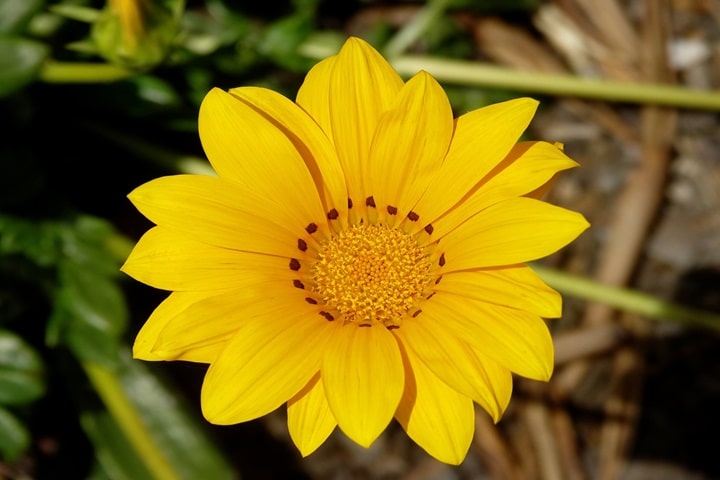
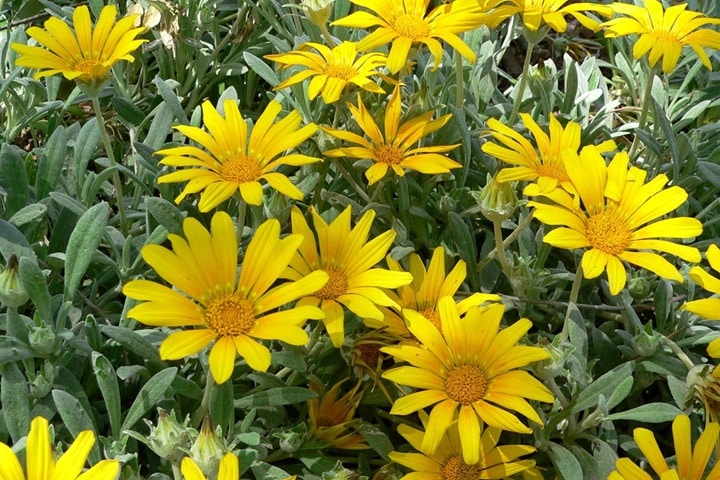
Gazania flowers are daisy-like with vibrant, multi-coloured petals that often have contrasting stripes or spots. The centre of the flower is typically yellow or orange.
Gazania flowers do not have a strong fragrance, but their bright hues attract pollinators such as bees and butterflies to your garden.
How to Encourage More Blooms
To encourage more blooms, deadhead spent flowers regularly and provide the plants with adequate sunlight and water. A balanced, slow-release, organic fertilizer applied in early spring can also boost flowering.
Caring for Gazanias After They Bloom
After the blooming season, continue to water and care for gazanias until the first frost. Cut back the plants to prevent leggy growth and prepare them for overwintering if you plan on keeping them.
Mulching around the base with dead leaves, straw or bracken when cold weather approaches can help protect the roots in colder climates where perennial options are grown.
Gazanias: Problem Solving
Gazanias are relatively pest-resistant but can occasionally be affected by aphids, spider mites, and whiteflies. Inspect plants regularly to ensure issues do not get out of control.
Fungal diseases such as powdery mildew and root rot can occur if gazanias are grown in poorly draining soil or humid conditions. Ensure proper spacing and avoid overhead watering to minimize disease risks.
Gazania Care
Caring for Gazania largely involves making sure that you provide them with the growing conditions that they require to thrive. Once the basic care needs are met, you should find these flowers relatively easy to care for over time.
- Light: As mentioned above, Gazanias require full sun to thrive and produce the most vibrant blooms. Insufficient sunlight can lead to poor flowering and leggy growth.
- Soil: Well-draining soil is essential for gazanias. They prefer sandy or loamy soils with a slightly acidic to neutral pH. Amend heavy clay soils with sand or organic matter to improve drainage. Always make sure excess water can drain away freely, whether growing in the ground or in pots.
- Water: While drought-tolerant, gazanias benefit from regular watering during prolonged dry periods. Water deeply but infrequently, allowing the soil to dry out between waterings to prevent root rot. Water at the base of the plant and try to avoid wetting the leaves.
- Temperature and Humidity: Gazanias prefer warm temperatures and low humidity. They can tolerate light frosts but are not cold-hardy. Ideal growing temperatures range from around 16 to 30 degrees C.
- Fertiliser: A balanced, slow-release fertilizer applied in early spring can support healthy growth and abundant blooms. Avoid excessive fertilization, which can lead to lush foliage but fewer flowers, and always grow organically.
Gazania Varieties to Try
Some good Gazania for UK growers to consider are:
- Gazania ‘Aztec’ – evergreen perennial with cream, red, maroon and yellow blooms. (H2)
- Gazania ‘Cookei’ – evergreen perennial, deep orange-red, olive green and yellow flowers. (H2)
- Gazania ‘Talent Series’ – half-hardy annuals with flowers in a range of hues. (H3)
- Gazania rigens ‘Variegata’ – perennial, yellow flowers, variegated leaves. (H2)
All of the above have an award of garden merit from the RHS.
Gazania Companion Plants
Gazanias pair well with other sun-loving, drought-tolerant plants which like similar conditions, including, for example:
- Lavender (Lavandula)
Lavender is an excellent companion for gazanias due to its similar preference for full sun and well-draining soil. The purple hues of lavender flowers provide a stunning contrast to the vibrant yellows, oranges, and reds of gazanias. Additionally, lavender’s aromatic foliage helps repel pests. Other similar Mediterranean herbs can also make good companions.
- Sedum
Sedum, or stonecrop, is another great choice for pairing with gazanias. Sedums are low-maintenance, drought-tolerant succulents that thrive in sunny locations. Their fleshy, textured leaves add an interesting contrast to the soft, daisy-like petals of gazanias. The combination of sedum’s muted green tones and gazanias’ bright blooms creates a visually appealing garden display.
- Salvia
Salvias, with their tall spikes of blue, purple, or red flowers, complement the low-growing gazanias beautifully. Both plants are sun-loving and drought-tolerant, making them well-suited to similar growing conditions. The vertical growth habit of salvias adds height and structure to garden beds, creating a dynamic and layered look alongside the spreading gazanias.
- Verbena
Verbena is a versatile plant that pairs well with gazanias due to its extended blooming period and tolerance for hot, dry conditions. The clusters of small, brightly coloured verbena flowers harmonize with the bold, solitary blooms of gazanias, providing continuous colour throughout the growing season. Verbena’s trailing habit also complements the mounding growth form of gazanias, making them ideal partners in hanging baskets or container gardens.
- Coreopsis
Coreopsis, or tickseed, is a sun-loving perennial that matches well with gazanias in both colour and growing requirements. Its bright yellow flowers and feathery foliage create a harmonious look when planted with gazanias. Both plants attract pollinators like bees and butterflies, enhancing the ecological value of your garden.
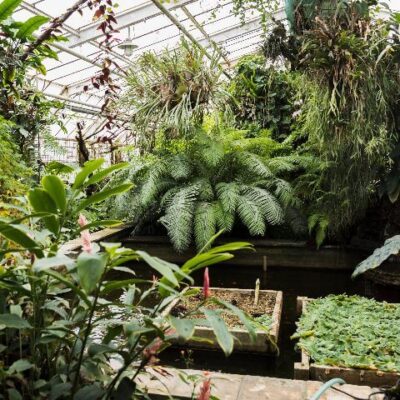
Can You Grow Gazanias In A UK Polytunnel?
Yes, gazanias can be grown in a UK polytunnel. The controlled environment of a polytunnel provides protection from frost and excessive rain, extending the growing season and promoting healthier plants. Ensure the polytunnel has adequate ventilation to prevent humidity buildup, which can lead to fungal diseases. For the best results, use our commercial polytunnels.
Learn more valuable gardening knowledge on our blog.
FAQs
Do Gazania flowers close up at night?
Yes, gazania flowers typically close up at night and on cloudy days. This behaviour is a natural response to protect the pollen and reduce water loss, ensuring the flowers remain vibrant and healthy.
Do Gazanias self-seed?
Gazanias can self-seed, but the success of self-seeding depends on the growing conditions and climate. In warmer regions, they may reseed naturally, but in colder climates, such as ours in most of the UK, the seeds are not likely to survive the winter.
To encourage self-seeding in a particularly warm and sheltered location, or inside a polytunnel, allow some of the flowers to go to seed and avoid deadheading all the spent blooms. You may be lucky and see some Gazania springing up next year.
Do Gazanias come back every year?
Gazanias in their native conditions are often perennial and can come back every year if the conditions are right. In colder regions, however, including here in the UK, they are typically grown as annuals outdoors, as they cannot survive freezing temperatures. You may be able to get them to perennialize in very warm and sheltered locations, or inside a polytunnel.
How long do gazanias live?
The lifespan of a gazania plant varies depending on the growing conditions and whether it is grown as an annual or perennial. In their native habitat and suitable climates, perennial gazanias can live for several years. However, when grown as annuals, they complete their life cycle within a single growing season.
Sources
South Africa.co.za. (2019) Flowers of South Africa. [online] Available at: https://southafrica.co.za/flowers-plants.html [accessed 22/07/24]