

Gardens are more than just spaces for growing plants. They are dynamic systems teeming with life, where diverse interactions create a synergy that benefits both the garden and its caretakers. By learning how to build beneficial connections in their gardens, gardeners can gain in a great many ways.
What is Garden Synergy

Garden synergy is the interaction of different elements in the garden, such as plants, animals, soil, and humans, to create a self-sustaining, harmonious ecosystem. Rather than focusing solely on isolated gardening practices, synergy emphasizes interconnectedness, where each part of the garden contributes to and benefits from the others.
This approach mirrors how natural ecosystems function. In nature, no element operates in isolation—plants, animals, microorganisms, and even the climate interact in complex ways. Garden synergy is about applying these ecological principles to our own outdoor spaces.
What Beneficial Connections Can Exist in a Garden?
Garden synergy encompasses a wide variety of positive relationships. These connections occur on multiple levels. So, let’s explore some of these connections in a little more depth.
Beneficial Connections Between Gardening and Our Personal Health and Wellbeing
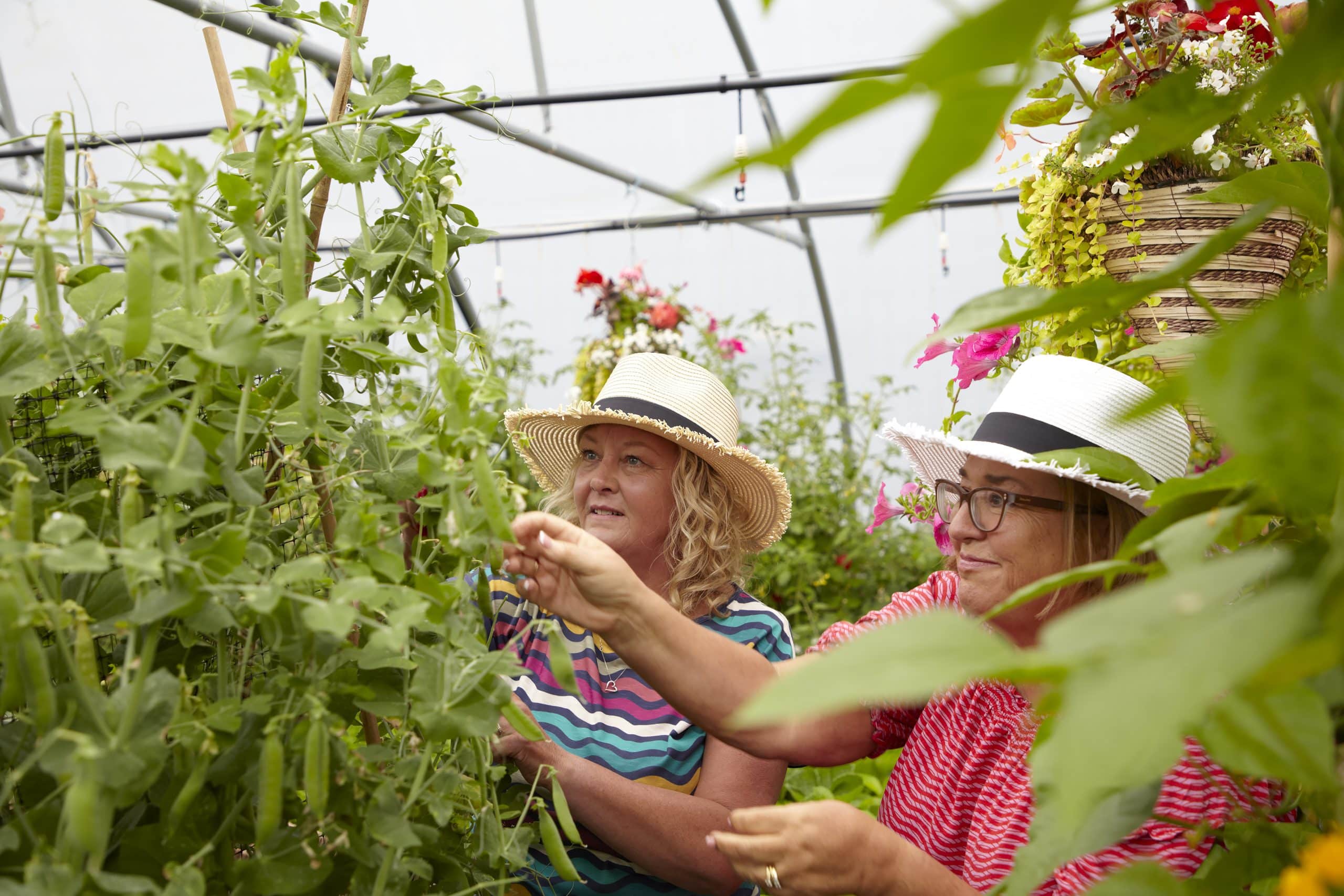
First of all, we can look at the beneficial interactions that exist between the very act of gardening and our own physical and mental health.
Gardening is a therapeutic activity that promotes both physical and mental health. The physical exertion of planting, weeding, and harvesting provides exercise that improves cardiovascular health, flexibility, and strength. Exposure to sunlight helps regulate circadian rhythms and boosts vitamin D levels, which are crucial for bone health and immune function.
On the mental health side, gardens offer spaces for relaxation and mindfulness. Studies have shown that spending time in nature can reduce stress, alleviate symptoms of depression and anxiety, and enhance overall mood. Engaging with plants also fosters a sense of purpose and achievement, helping individuals to combat feelings of isolation or low self-esteem.
Beneficial Connections Between Garden Elements (Good Layout and Design)
In a garden, a range of different elements might be included. These elements might include key planting areas, and specific plants, but also man-made features, practical elements like rainwater harvesting systems and composting areas, and habitats like ponds or log piles, to name just a few examples.
By laying out all the different features in the right way, and through careful design, we can maximise the number of beneficial connections and interactions between them. We can also improve our own relationship with the garden by making it easier to tend and maintain.
The permaculture idea of ‘zoning’ helps us to understand the benefits of placing those elements that we need to visit most frequently closest to the home.
For a domestic polytunnel used for growing vegetables or fruits, for example, zone one is ideal since you’ll likely visit it daily. Zone one might also include kitchen gardens, herb gardens, or compost systems.
However, if your polytunnel houses perennial plants or poultry, which require less frequent attention, it may belong in zone two. Larger, commercial operations might even place a polytunnel in zone three, further from the home.
Systems analysis can help us place elements carefully to ensure that those which take outputs from a particular element as inputs are positioned close to the source.
For example, we should place kitchen garden beds that need mulching or amending close to the source of organic matter – the composting system. (Plant material from the beds will also travel in the opposite direction.)
Beneficial Connections Between People (Building Community and Community Resilience)
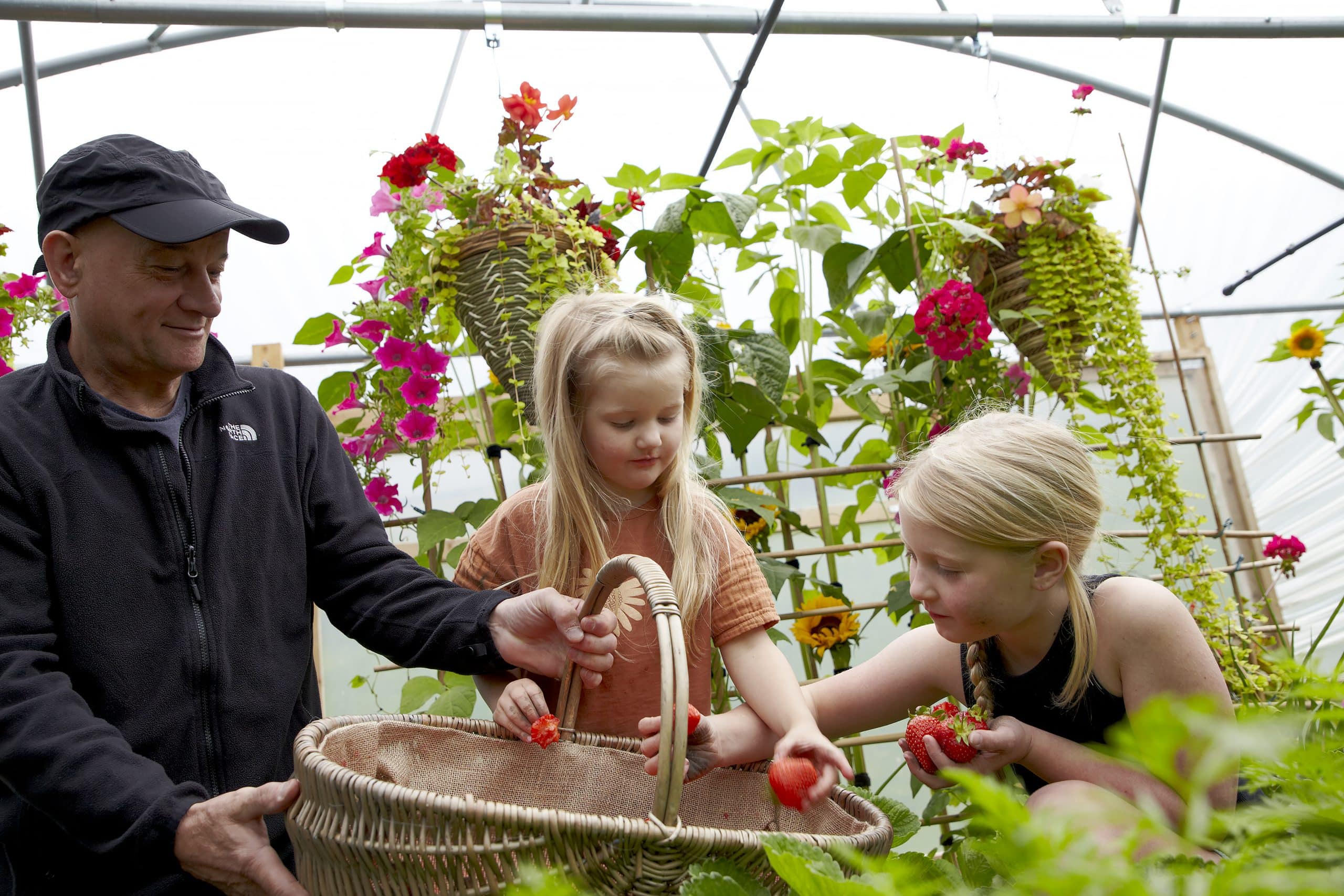
Gardening is not just a solitary activity—it can be a powerful tool for building community and fostering social resilience. Community gardens, for instance, provide shared spaces where individuals of all ages and backgrounds come together to cultivate food, flowers, and friendships. These gardens often serve as hubs for knowledge exchange, skill-sharing, and collective problem-solving.
Moreover, community gardens play an essential role in food security, particularly in urban areas where access to fresh produce may be limited. By fostering cooperative gardening, these spaces enhance local resilience against economic and environmental challenges, such as rising food prices or climate-related disruptions.
Beneficial Connections Between Different Plants (Polycultures and Companion Planting)
Polycultures and companion planting are essential strategies for creating plant-to-plant beneficial connections in the garden. Polycultures involve growing multiple plant species together, mimicking the diversity of natural ecosystems. This diversity enhances resilience against pests and diseases, reduces the need for chemical inputs, and improves soil health.
Companion planting, a specific type of polyculture, involves selecting plant species that mutually benefit one another. For example, planting marigolds with tomatoes can deter pests, while beans, which fix nitrogen in the soil, provide essential nutrients for neighbouring plants like corn or squash. These interactions create a natural pest management system and improve overall productivity.
Beneficial Connections Between Garden Animal Species (Garden Food Web, Ecological Function)
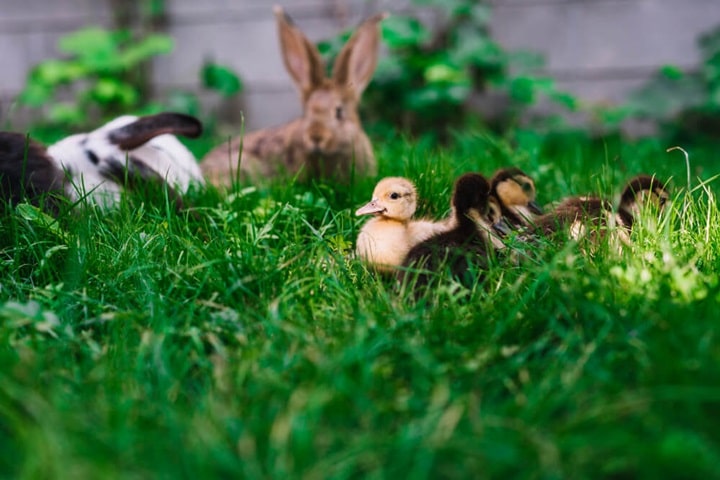
A healthy garden is home to various animal species—birds, insects, reptiles, and small mammals—that form an interconnected food web. Predatory insects, such as ladybugs and lacewings, control pest populations by feeding on aphids and other harmful species. Birds help by consuming insects, while earthworms and other soil organisms break down organic matter, enriching the soil.
Creating a habitat that supports these species ensures the garden’s ecological function remains balanced. For instance, providing water sources, nesting sites, and diverse plant life encourages the presence of pollinators and beneficial predators, eliminating the need for chemical pesticides.
Beneficial Connections Between People and Wildlife
Gardens can serve as important sanctuaries for local wildlife, and humans play a key role in maintaining these spaces. By choosing native plants, minimizing pesticide use, and incorporating features such as birdhouses, bee hotels, and butterfly-friendly plants, gardeners create habitats that attract and sustain wildlife populations.
This connection between people and wildlife is reciprocal. While the garden provides food, shelter, and nesting opportunities for animals, these creatures offer benefits to the garden, such as pollination, pest control, and seed dispersal. Moreover, interacting with wildlife in the garden—watching birds, observing pollinators—enhances our connection to nature, fostering environmental stewardship.
Beneficial Connections Between People and Plants
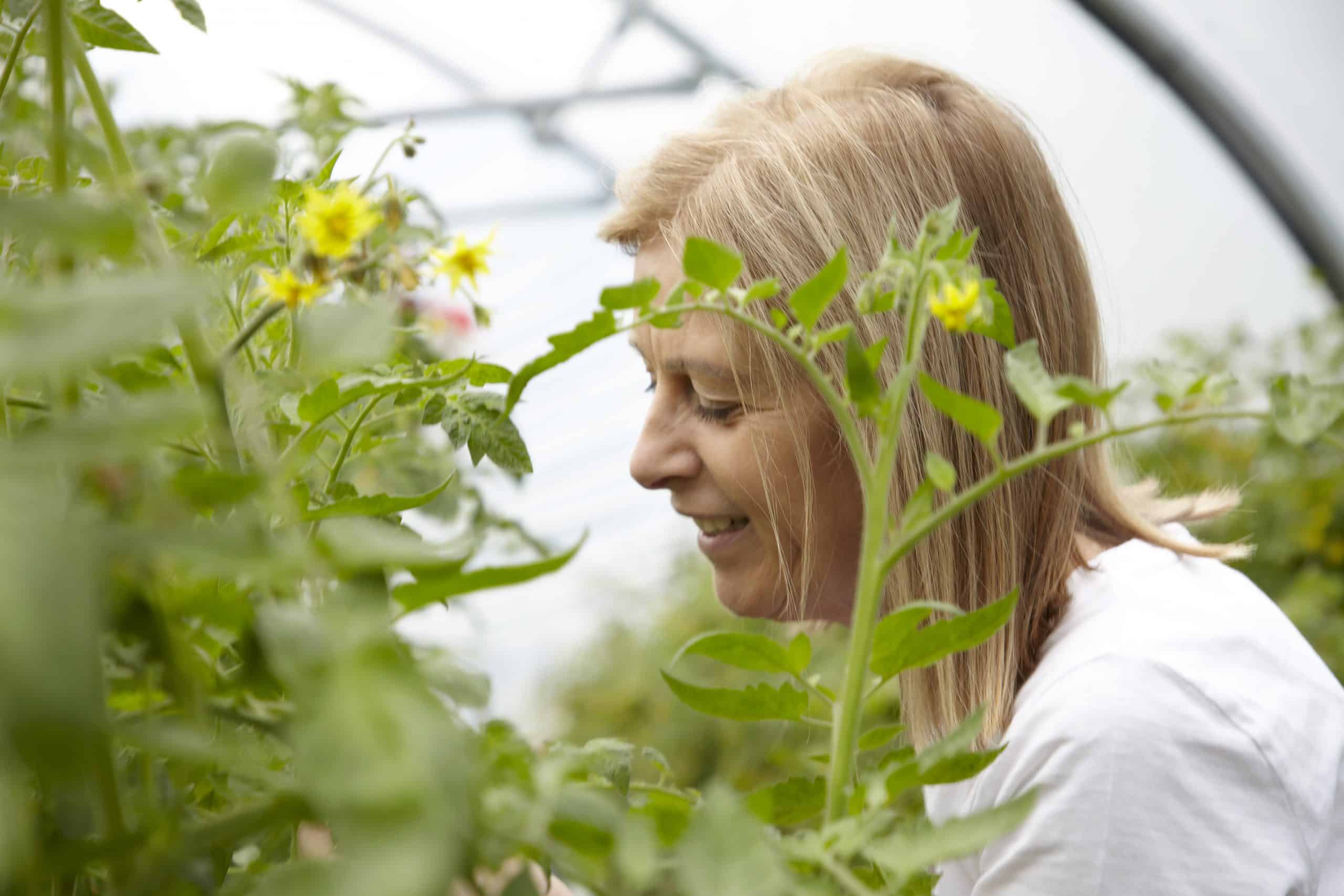
The relationship between people and plants goes beyond aesthetics and food production. Plants have cultural, historical, and symbolic significance in many societies. By cultivating plants, people engage with their cultural heritage, foster emotional connections, and participate in the broader cycles of life.
Tending to plants encourages patience, responsibility, and mindfulness. The act of caring for a living organism deepens our appreciation for life processes, making us more attuned to seasonal changes and the natural world.
Beneficial Connections Between Plants and Wildlife
Plants and wildlife share a symbiotic relationship. Plants provide food and habitat for many animal species, while wildlife, in turn, helps with pollination and seed dispersal, enabling plants to reproduce and thrive. Selecting a variety of plants that bloom throughout the growing season ensures a steady food supply for pollinators such as bees, butterflies, and hummingbirds.
Incorporating native plants is particularly important for supporting local wildlife, as these species have evolved together and are better suited to each other’s needs. Native plants also require less water and care, making them more sustainable choices for gardeners.
Building Better Physical and Mental Health in a Garden
When we understand the benefits that gardening can have for our health, we can engage in the activity as frequently as possible, which of course will bring further broader benefits too.
Focussing consciously on the benefits of being around nature, and spending time in green, growing spaces can make us more aware of the good they bring – and foster a mindfulness – allowing us to be in the moment and escape the stresses of our daily lives.
Make moments for quiet contemplation in the garden, as well as undertaking the physical jobs, to make sure you make the most of this sort of beneficial connection.
Beneficial Connections for Societal Cohesion and Community
We can also make a conscious effort to make sure that we maximise the number of beneficial human connections that can happen in a garden, whether that is our own family gardens, or gardens out in our communities that are open to the public.
In our own gardens, that might mean making more spaces where we can spend time with friends and family, spaces that encourage communication and collaboration. We might even open up our outside spaces to others in our communities and forge new links with other gardeners close by.
Beneficial Connections for Healthy Soil
Soil health is fundamental to the success of any garden. By fostering beneficial connections between soil organisms—such as bacteria, fungi, earthworms, and other decomposers—gardeners can create a thriving soil ecosystem. Healthy soil is rich in organic matter, retains moisture, and supports plant growth without the need for synthetic fertilizers.
Practices like composting, mulching, and crop rotation improve soil fertility by returning nutrients to the ground and promoting microbial activity. These methods also enhance soil structure, reducing erosion and increasing the soil’s ability to store carbon, which plays a role in mitigating climate change.
Beneficial Connections for Happy Plants
A garden filled with healthy, thriving plants is the result of strong beneficial connections within the ecosystem. Plants that are grown in suitable conditions—with adequate sunlight, water, and nutrients—are more resilient to pests, diseases, and environmental stressors. Companion planting and polycultures enhance plant health by creating mutually supportive relationships between species.
Knowing all this, we can make sure that we choose the right plants for the right places, and combine them in the right ways.
Beneficial Connections for Biodiversity
We can also choose plants that bring in beneficial wildlife to increase biodiversity and ecological complexity for a healthier and more resilient garden.
Biodiversity losses are a major crisis in today’s world and biodiversity is a key indicator of a healthy garden.
Gardens that support a wide variety of plant, insect, bird, and animal species are more resilient to environmental changes, pests, and diseases. Diverse plantings also create a habitat for beneficial insects and wildlife, which contribute to pest control, pollination, and seed dispersal.
By incorporating a mix of native plants, pollinator-friendly flowers, and fruiting shrubs, gardeners can boost biodiversity and create a self-sustaining ecosystem. This not only benefits the garden but also supports broader environmental health, contributing to regional biodiversity conservation.
Beneficial Connections for Climate Change Adaptation and Mitigation
Gardens can play an important role in adapting to and mitigating the effects of climate change. By using sustainable gardening practices, such as water conservation, composting, and organic pest management, gardeners reduce their carbon footprint and contribute to carbon sequestration.
Planting trees and shrubs in strategic locations can provide shade, reduce energy consumption, and mitigate the urban heat island effect. Meanwhile, practices such as mulching and rainwater harvesting help conserve water, making gardens more resilient to droughts and extreme weather events.
Cycles and Synergy for Waste Reduction
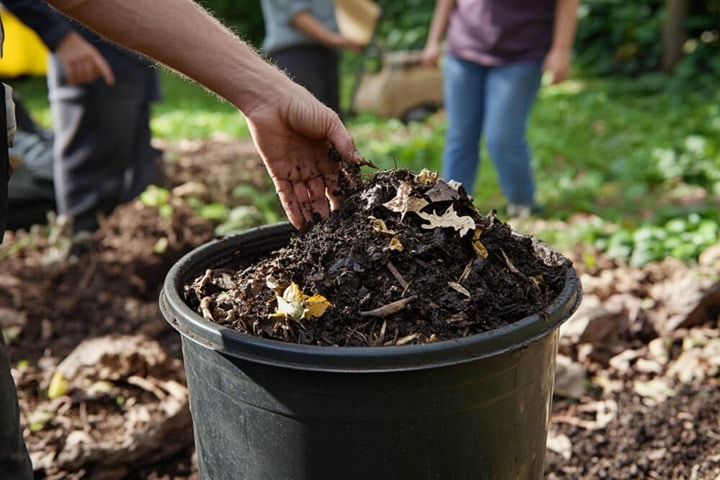
A key component of garden synergy is the reduction of waste through recycling organic materials and closing nutrient loops. Composting garden waste, such as plant clippings, kitchen scraps, and leaves, turns potential waste into valuable compost that enriches the soil. This reduces the need for synthetic fertilisers and keeps organic matter out of landfills.
Mulching with organic materials helps retain moisture in the soil, suppress weeds, and return nutrients to the earth. By designing gardens that recycle materials and create closed-loop systems, gardeners can reduce waste, save resources, and enhance sustainability.
FAQs
How can gardeners design for garden synergy?
Gardeners can design for synergy by mimicking natural ecosystems. This involves incorporating a diverse mix of plants, supporting beneficial insects and wildlife, and using sustainable practices like composting, rainwater harvesting, and polyculture planting. Thoughtful garden design also ensures that all elements—plants, structures, and wildlife habitats—work together harmoniously.
What beneficial interactions occur in a garden?
Many beneficial interactions occur in a garden, including:
Pollinators like bees and butterflies helping plants reproduce.
Companion plants supporting each other through pest control and nutrient sharing.
Soil organisms breaking down organic matter, enriching the soil.
Gardeners promoting biodiversity and creating habitats for wildlife.
By fostering these interactions, gardeners create resilient, sustainable spaces that benefit both humans and the environment.
Sources
Neveln, V., (2024) How to Spot 5 Common Plant Diseases and Keep Your Garden Healthy. Better Homes and Gardens. [online] Available at: https://www.bhg.com/gardening/pests/insects-diseases-weeds/common-plant-diseases/ [accessed 28/10/2024]