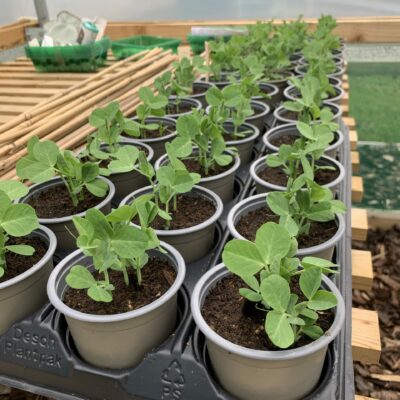


September is one of the best months to sow many hardy flower seeds in the UK. The soil can still be warm enough for germination, while cooler air and increasing moisture create good conditions for young plants to establish. If you are looking for flower seeds to sow in September, there are plenty of hardy varieties that can be started now and grown on before winter.
Autumn sowing gives hardy annuals a head start. Instead of beginning from seed in spring, plants can establish roots before winter and get growing as soon as conditions improve. It is also a useful way to spread sowing jobs through the year and make good use of empty space in borders, beds and protected growing areas.
In this guide, I look at the best flowers to sow in September, where to sow them and how to care for young plants through autumn and winter.
Key Takeaways
- September is an excellent month for sowing many hardy annuals.
- Autumn sowing can lead to earlier flowering the following year.
- Some flowers are best sown directly outdoors, while others benefit from protection.
- Good drainage, careful watering and correct sowing depth improve success.
- Choose flowers according to whether you want cottage-garden colour, pollinator planting or flowers for cutting.
Why September Is a Great Time to Sow Flower Seeds
September sits in a useful middle ground for seed sowing. The soil can retain summer warmth while temperatures are becoming cooler and autumn rainfall reduces the need for frequent watering.
For hardy annuals, this can be an ideal combination. Plants have time to germinate and establish roots before winter, then benefit from increasing light and warmth in spring. Autumn-sown plants can therefore flower earlier than those started from seed in spring.
This approach is particularly useful if you are:
- Growing flowers for cutting.
- Filling gaps in borders and beds.
- Creating a relaxed cottage-garden planting.
- Growing flowers alongside vegetables.
- Making use of a greenhouse, cold frame or polytunnel.
If you are continuing your seasonal sowing, you can also discover more flower seeds to sow in late summer.
Autumn sowing tip: September is not just the end of the flowering season. It is also an opportunity to get next year’s display underway.
The Best Flower Seeds to Sow in September
Not every flower benefits from an autumn sowing. I would concentrate on hardy annuals and varieties that can tolerate cooler conditions.
1. Sweet Peas
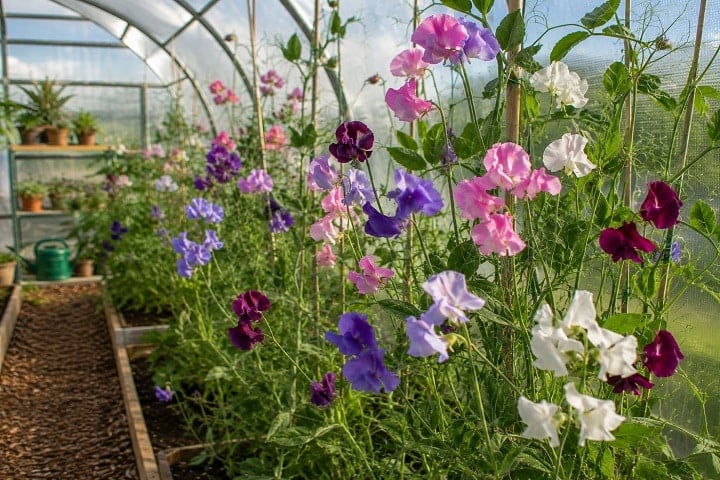
Sweet peas are excellent candidates for autumn sowing if you want strong plants ready to flower the following summer.
I prefer to sow them in pots or modules under protection rather than leaving young plants exposed to harsh winter weather.
Best location: Cold frame, greenhouse or sheltered polytunnel.
Flowering season: Summer.
Good for: Cutting gardens, cottage gardens and vertical planting.
2. Cornflowers
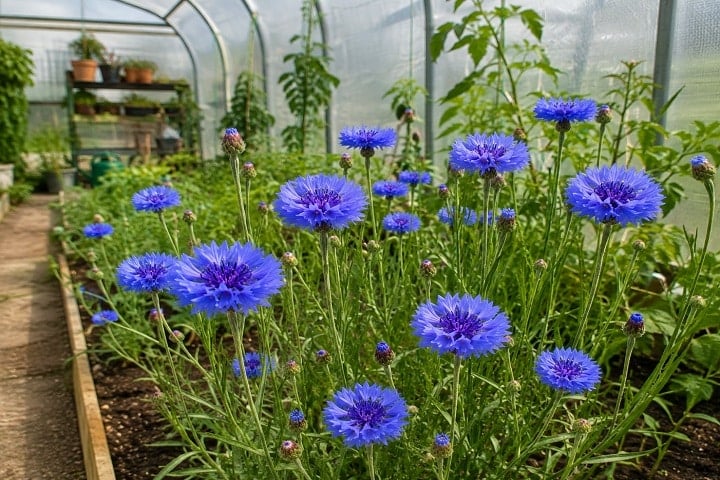
Cornflowers are straightforward hardy annuals that can be sown directly where they are to flower. Their blue flowers work particularly well in informal and wildlife-friendly planting.
Best location: Outdoors.
Flowering season: Late spring and summer.
Good for: Cottage gardens, cutting gardens and pollinator-friendly borders.
3. Calendula
Calendula is another dependable choice for autumn sowing. Its bright flowers bring welcome colour to informal borders and productive gardens.
Best location: Outdoors, in well-drained soil.
Flowering season: Spring and summer.
Good for: Cottage gardens, containers, edible gardens and pollinator planting.
4. California Poppies
California poppies bring warm shades of yellow and orange to the garden. They can be autumn sown, although protection may be useful in colder areas.
Best location: Sunny, well-drained soil, or under protection in colder conditions.
Flowering season: Spring and summer.
Good for: Informal borders, gravel gardens and naturalistic planting.
Good drainage is particularly important, as winter waterlogging can be more damaging than cold.
5. Love-in-a-Mist
Love-in-a-mist, Nigella damascena, is a useful choice for an informal border and cutting garden. Its delicate foliage and interesting seed heads give it interest beyond the flowers themselves.
Best location: Directly outdoors.
Flowering season: Late spring and summer.
Good for: Cottage gardens, cutting gardens and informal borders.
6. Larkspur
Larkspur provides height and upright flower spikes, making it particularly valuable in cutting gardens.
Best location: Directly into prepared soil.
Flowering season: Summer.
Good for: Cutting gardens, cottage borders and informal flower beds.
7. Cerinthe
Cerinthe, or honeywort, has distinctive blue-green foliage and purple-blue flowers. It can be useful when you want something a little different from traditional cottage-garden annuals.
Best location: Sheltered outdoor position or under protection in colder areas.
Flowering season: Summer.
Good for: Cottage gardens, pollinator planting and cutting gardens.
8. Ammi
Ammi produces airy flower heads that soften borders and work beautifully in cut-flower arrangements.
Best location: Outdoors in a sheltered, well-drained position.
Flowering season: Summer.
Good for: Cutting gardens, cottage borders and naturalistic planting.
9. Poached Egg Plant
Poached egg plant, Limnanthes douglasii, is a cheerful annual with yellow and white flowers. It is useful around the edges of beds or woven through informal plantings.
Best location: Outdoors.
Flowering season: Spring and early summer.
Good for: Cottage gardens, borders and wildlife-friendly planting.
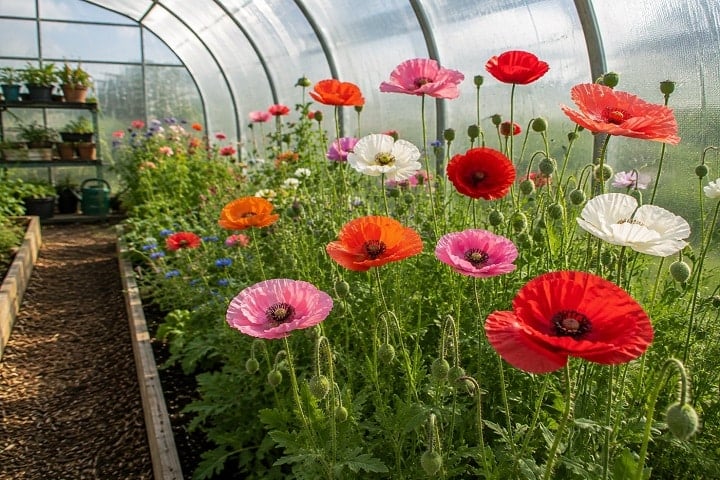
10. Poppies
Poppies are well suited to direct autumn sowing. They are particularly effective when allowed to grow informally through a border or naturalistic planting.
Best location: Directly outdoors in sunny, well-drained soil.
Flowering season: Spring and summer.
Good for: Naturalistic borders, cottage gardens, cutting gardens and wildlife planting.
Should You Sow Flower Seeds Outdoors or Under Cover?
There is no single best method. It depends on the flower, your soil and the conditions in your garden.
Hardy annuals that dislike root disturbance are often easiest to sow directly where they are to grow. More vulnerable plants can benefit from being started in pots and overwintered under protection.
| Flower | Sow Outdoors | Sow Under Cover | Flowering Season |
|---|---|---|---|
| Sweet peas | Possible | Preferred | Summer |
| Cornflowers | Yes | Optional | Late spring/summer |
| Calendula | Yes | Optional | Spring/summer |
| California poppies | Yes | Useful in colder areas | Spring/summer |
| Love-in-a-mist | Yes | Optional | Late spring/summer |
| Larkspur | Yes | Optional | Summer |
| Cerinthe | Possible | Useful | Summer |
| Ammi | Yes | Optional | Summer |
| Poached egg plant | Yes | Optional | Spring/early summer |
| Poppies | Yes | Usually unnecessary | Spring/summer |
A greenhouse, cold frame or polytunnel can provide useful shelter without needing to keep plants warm. Good ventilation is important, particularly in mild autumn weather, as stagnant, humid conditions can cause problems.
Protected growing can also help if you want to grow flowers alongside vegetables to attract pollinators.
Tips for Successful September Sowing
Successful autumn sowing does not require complicated equipment. The basics are good soil preparation, sensible watering and protection from the worst winter conditions.
September sowing checklist
- Clear weeds and large stones.
- Prepare a fine, crumbly seed bed.
- Check that the area drains freely.
- Sow at the depth recommended on the seed packet.
- Water gently after sowing.
- Label each sowing.
- Thin overcrowded seedlings.
- Protect vulnerable plants during severe frosts.
- Ventilate protected growing spaces.
- Check seedlings during dry spells.
Avoid trying to encourage rapid winter growth. Young plants mainly need to establish healthy roots and remain compact until spring.
Choosing Flowers for Different Garden Styles
Starting with the purpose of your planting can make choosing seeds much easier.
| Garden Style | Good Choices | Why |
|---|---|---|
| Cottage garden | Calendula, cornflowers, love-in-a-mist, poppies | Informal colour and varied forms |
| Pollinator garden | Calendula, cornflowers, poached egg plant, poppies | Flowers can provide nectar and pollen |
| Cutting garden | Sweet peas, larkspur, Ammi, cornflowers | Useful for picking and arranging |
| Containers | Calendula, poached egg plant | Easy seasonal colour |
| Mixed borders | Ammi, cerinthe, larkspur, poppies | Height, texture and movement |
Flowers do not need to be confined to ornamental beds. Sowing them among vegetables can make productive spaces more attractive while providing useful resources for pollinating insects.
For a wider pollinator planting scheme, you can also grow nectar-rich plants to support pollinators throughout the garden.
Common Mistakes When Sowing Flower Seeds in September
Sowing too deeply
Small seeds often need only a light covering. Follow the instructions on the packet rather than treating every seed in the same way.
Poor drainage
Winter wet can be more problematic than low temperatures. Avoid waterlogged areas and make sure containers have adequate drainage.
Overcrowding seedlings
Dense seedlings compete for light and air. Thin them where necessary so plants have room to establish.
Forgetting labels
By spring, it can be surprisingly difficult to remember what was sown where. Labels save unnecessary guesswork.
Overwatering under cover
A polytunnel or greenhouse can protect seedlings from heavy rain, but it can also become humid. Ventilate and check the soil before watering.
Missing autumn watering
Rainfall is not guaranteed. Newly sown seeds and young seedlings can still dry out during prolonged periods of settled weather.
Caring for Autumn-Sown Seedlings Through Winter
Winter care is mostly about keeping conditions balanced.
Check young plants regularly, but avoid excessive watering. Make sure containers and beds drain freely and protect vulnerable seedlings during severe frosts.
Under cover:
- Ventilate on mild days.
- Check soil moisture regularly.
- Remove dead or diseased material.
- Avoid overcrowding.
- Protect against severe frost when necessary.
- Keep growth compact rather than forcing soft, lush growth.
You do not need to rush plants into their final positions. Wait until they are strong enough and the soil and weather are suitable for planting out.
Protected growing can be especially useful here. A cold frame, greenhouse or polytunnel can give young plants shelter from harsh weather while still allowing them to experience cooler conditions.
Conclusion
September gives us a valuable second opportunity to sow flowers for the following year. Hardy annuals such as cornflowers, calendula, love-in-a-mist, larkspur, Ammi, poached egg plant and poppies are all worth considering for direct autumn sowing.
Sweet peas and some less hardy choices are better suited to pots under protection, particularly in colder or more exposed gardens.
The real advantage of autumn sowing is the head start. A little preparation now can mean stronger plants, earlier flowers and less work when the garden begins growing again in spring.
A polytunnel, greenhouse or cold frame can extend that opportunity by giving young plants some protection from severe weather. Used well, protected growing is less about keeping plants warm and more about managing moisture, ventilation and exposure as they establish.
Frequently Asked Questions
Can you sow flower seeds in September in the UK?
Yes. September is suitable for sowing many hardy annuals, including cornflowers, calendula, larkspur, Ammi, poached egg plant and poppies.
Which flowers survive winter after being sown in September?
Many hardy annuals can overwinter as young plants. Cornflowers, calendula, love-in-a-mist and other hardy annuals are suitable choices, although severe frosts may require additional protection.
Is it better to sow flower seeds indoors or outdoors in September?
It depends on the flower and local conditions. Hardy annuals can often be sown directly, while sweet peas and more vulnerable plants benefit from protection.
Can flower seeds be sown in pots during autumn?
Yes. Pots are particularly useful when soil drainage is poor or when you want to keep young plants under cover through winter.
What happens if flower seeds are sown too late in autumn?
Germination becomes slower as temperatures fall, and some seeds may not germinate before winter. If the recommended autumn sowing window has passed, check the seed packet and consider waiting until spring.
Sources
Royal Horticultural Society (RHS) (2026) Monthly gardening tips & advice – September: Flowers. Available at: https://www.rhs.org.uk/advice/in-month/september/flowers (Accessed: 31 August 2026).