Fire cider is a traditional herbal tonic that has been used for generations to promote health and vitality.
Made with a blend of immune-boosting ingredients such as apple cider vinegar, garlic, ginger, horseradish, and spicy peppers, this tangy, spicy concoction is a popular natural remedy for cold and flu season.
It’s easy to make at home, incredibly versatile, and packed with health benefits. In this guide, we’ll cover everything you need to know about fire cider—from its history and health benefits to how to make it and incorporate it into your daily routine.
What Is Fire Cider?
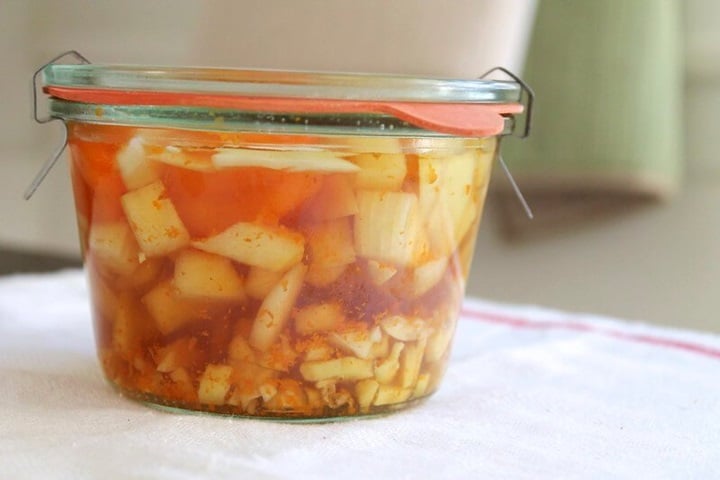
Fire cider is a potent herbal tonic that blends apple cider vinegar with a variety of pungent, warming, and health-boosting herbs and spices.
The original recipe was popularized by herbalist Rosemary Gladstar in the late 20th Century, but the tradition of using vinegar-based tonics for health dates back much further.
Fire cider is commonly used to support the immune system, improve digestion, and help ward off illnesses such as colds and the flu.
The name “fire cider” reflects its fiery flavour, which comes from ingredients like horseradish, ginger, garlic, and hot peppers. These ingredients are macerated in raw apple cider vinegar for several weeks, allowing their medicinal properties to infuse the vinegar, resulting in a powerful, spicy elixir.
Apple Cider Vinegar: The Base of Fire Cider
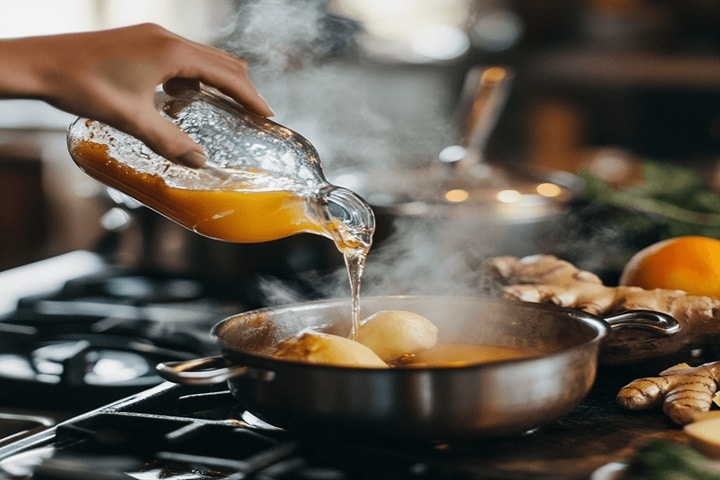
At the heart of fire cider is raw, unfiltered apple cider vinegar (ACV). ACV is made by fermenting apples, and when it’s raw and unpasteurized, it contains the “mother,” a colony of beneficial bacteria, enzymes, and proteins. This makes apple cider vinegar a probiotic-rich ingredient that can support gut health and digestion.
The acetic acid in apple cider vinegar has been shown to have antimicrobial properties, which may help to kill harmful bacteria. It also has antioxidant effects, making it a great base for an immune-boosting tonic like fire cider. Additionally, ACV is rich in potassium and can help balance the body’s pH, making it a key component in this remedy.
Health Benefits of Fire Cider
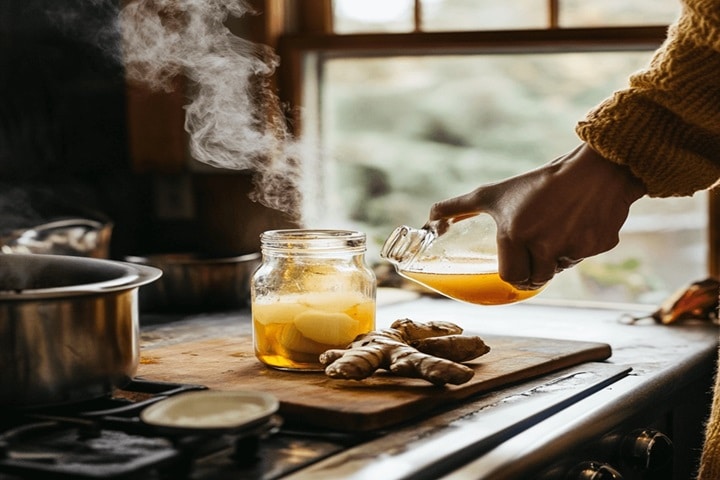
Fire cider is loaded with health benefits due to the synergy of its ingredients. Each component adds its own unique properties to the mixture, creating a tonic that can promote overall wellness, support immune function, and improve digestion.
Immune Support
Fire cider’s most well-known benefit is its ability to boost the immune system. The combination of ingredients like garlic, ginger, and horseradish is especially effective at helping the body fight off colds and flu.
Garlic, for example, contains allicin, a compound known for its antimicrobial and antiviral properties.
Ginger and horseradish have warming effects, helping to stimulate circulation and break up congestion, making them ideal for respiratory health.
Anti-Inflammatory and Antioxidant Properties
Many of the ingredients in fire cider, such as turmeric, ginger, and apple cider vinegar, are rich in antioxidants and have anti-inflammatory effects. These can help to reduce inflammation in the body, support overall immune health, and protect cells from oxidative stress.
Digestive Aid
Fire cider can also be a digestive tonic. The vinegar helps to stimulate digestive juices and enzymes, while the spicy elements can aid in digestion by promoting healthy stomach acid levels. Ingredients like ginger and turmeric are known to soothe the digestive tract and reduce bloating, while cayenne and other peppers can stimulate metabolism.
Respiratory Health
The pungent ingredients in fire cider, such as horseradish and cayenne, are great for clearing the sinuses and supporting respiratory health. Horseradish is known for its ability to thin mucus, making it easier to expel, which can be particularly helpful during cold and flu season.
How To Make Fire Cider
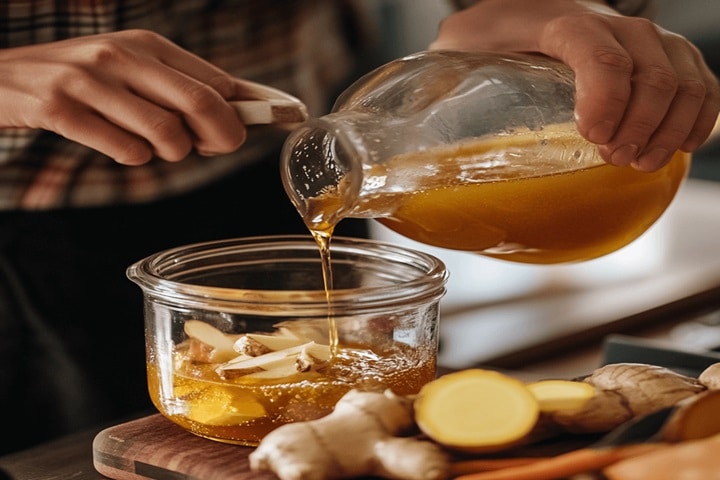
Making your own fire cider is simple and requires only a few ingredients and some patience. While the traditional recipe offers a basic formula, feel free to experiment by adding or omitting ingredients to suit your taste and health goals.
Ingredients
Here’s a classic fire cider recipe to get you started:
- 2 cups raw, unfiltered apple cider vinegar (with the “mother”)
- 1/4 cup grated fresh horseradish root
- 1/4 cup grated fresh ginger root
- 1/4 cup chopped garlic
- 1-2 chopped hot peppers (such as jalapeño, cayenne, or habanero, depending on your heat tolerance)
- Zest and juice of 1 lemon
- 1 tablespoon turmeric powder or a 2-inch piece of fresh turmeric root
- 1 tablespoon raw honey (optional, to taste)
To make fire cider:
- Prepare the ingredients: Wash and chop or grate all of the fresh ingredients.
- Fill the jar: Place the horseradish, ginger, garlic, onion, hot peppers, lemon zest, and turmeric in a clean, sterilized glass jar. You can use a quart-sized mason jar for this recipe.
- Add the vinegar: Pour the apple cider vinegar over the ingredients, making sure they are fully submerged. Use a piece of parchment paper or wax paper under the jar’s lid to prevent the vinegar from corroding the metal. Then, screw the lid on tightly.
- Let it steep: Store the jar in a cool, dark place for 3-4 weeks. Shake the jar daily to help the ingredients infuse into the vinegar.
- Strain the mixture: After the infusion period, strain the liquid into a clean jar, pressing the solids with a spoon to extract as much liquid as possible. Discard the solids or compost them.
- Add honey: If you prefer a sweeter tonic, add honey to taste. Stir well to combine.
- Store: Store your finished fire cider in the refrigerator or in a cool, dark place. It will last for several months.
How to make apple cider vinegar
If you have your own apple tree, you might want to consider making the apple cider vinegar that you need for this fire cider recipe from scratch.
Ingredients
- Apples: Use organic apples if possible. You can use whole apples, apple cores, and peels.
- Sugar: To help with fermentation. White or brown sugar is suitable.
- Water: Filtered or distilled water to avoid chlorine and other chemicals that could inhibit fermentation.
Equipment
- Glass jars: Clean and sterilized.
- Cheesecloth: To cover the jars and allow air flow.
- Rubber bands: To secure the cheesecloth.
- Wooden spoon: For stirring.
- Strainer: For removing solids.
Instructions
- Prepare the apples. Choose ripe, organic apples. Wash them thoroughly to remove any pesticides or residues. Cut the apples into small pieces. If you’re using apple scraps, make sure they are clean and free of mould or rot.
- Make the Apple Cider. Place the chopped apples or scraps into a clean glass jar. Leave about 1-2 inches of space at the top of the jar. Dissolve 1 cup of sugar in 1 cup of warm water. Add this mixture to the jar, then fill the jar with additional water until the apples are completely submerged. Use a wooden spoon to mix the sugar water into the apples. This helps to dissolve any remaining sugar.
- Cover and Ferment. Place a cheesecloth over the top of the jar and secure it with a rubber band. This allows air to flow into the jar while keeping out insects and debris. Store the jar in a dark, warm place (about 60-80°F or 15-27°C) for 3-4 weeks. Stir the mixture daily to prevent mould from forming on the surface. Then strain the mixture after 3-4 weeks, removing solids using a fine strainer or cheesecloth. You should be left with a cloudy apple cider liquid.
- Secondary Fermentation. Transfer the strained liquid back into a clean jar, covering it again with cheesecloth and securing it with a rubber band. Allow the liquid to ferment for an additional 3-4 weeks. During this time, the liquid will develop a more pronounced vinegar flavour as the natural yeasts and bacteria convert the alcohol into acetic acid.
- Taste and Bottle. After 6-8 weeks, taste your apple cider vinegar. It should have a tangy, acidic flavour. If it’s not tangy enough, you can let it ferment for another week or two. Once you’re satisfied with the flavour, pour the vinegar into clean, sterilized bottles. Seal them with airtight caps.
Keep your bottled apple cider vinegar in a cool, dark place. It should be stored in a glass container to maintain its quality. Homemade apple cider vinegar can last for several months or even years if stored properly.
Tips and Troubleshooting
- Preventing Mold: If you see mould forming on the surface, skim it off. The vinegar underneath should still be fine if the mould was just on the surface.
- Fizzy Vinegar: If your vinegar becomes fizzy, it’s a sign of active fermentation. This is normal in the early stages but should settle down over time.
- Cloudiness: It’s common for homemade apple cider vinegar to be cloudy. This cloudiness is due to the “mother,” which is a beneficial byproduct of fermentation.
How to sterilize glass jars before making your tonic
Sterilizing your glass jars is essential to prevent unwanted bacteria or mould from contaminating your fire cider. Here’s a simple way to sterilize your jars:
- Use hot, soapy water to clean the jars and lids thoroughly, then rinse them well.
- Place the clean jars and lids in a large pot of boiling water, ensuring the water covers them completely. Boil for 10 minutes.
- Use tongs to carefully remove the jars and lids from the water. Place them on a clean towel and allow them to air dry completely before using them.
Ways To Use Fire Cider
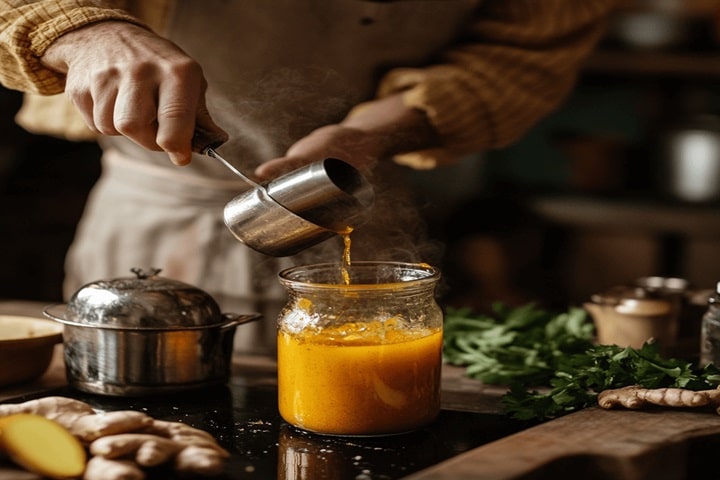
Fire cider is versatile and can be used in various ways to support your health or add some spice:
- Take it straight: Drink 1-2 tablespoons daily, either on its own or diluted in a little water.
- Add to tea: Stir a spoonful into warm water or herbal tea for an immune-boosting drink.
- Use in salad dressings: Fire cider makes a tangy addition to homemade salad dressings or marinades.
- Mix into soups: Add a splash to soups, stews, or broths for an extra layer of flavour and health benefits.
- Make a spicy tonic: Combine fire cider with honey, lemon juice, and hot water for a soothing, spicy beverage when you’re feeling under the weather.
How long does homemade fire cider last?
When stored properly in a cool, dark place, homemade fire cider can last up to 6-12 months. The apple cider vinegar acts as a preservative, helping to extend its shelf life.
However, always check for any off smells, discolouration, or mould before using. If stored in the refrigerator, fire cider will stay fresh even longer.
How often should you take fire cider?
For general immune support and health maintenance, many people take 1-2 tablespoons of fire cider daily. During cold and flu season, or when you feel the onset of illness, you can increase this to 2-3 times per day. It’s important to listen to your body and adjust your dosage based on how you feel.
Should fire cider be refrigerated?
While fire cider doesn’t necessarily need to be refrigerated due to the preservative nature of vinegar, storing it in the fridge can help extend its shelf life and keep it fresher longer. If you prefer to keep it at room temperature, make sure to store it in a cool, dark place away from direct sunlight.
Find more interesting food recipes on our blog.
FAQs
What does fire cider do for your body?
Fire cider supports the immune system, improves digestion, and helps reduce inflammation. The combination of garlic, ginger, horseradish, and hot peppers stimulates circulation, thins mucus, and can help alleviate cold and flu symptoms.
The probiotics in apple cider vinegar also support gut health, while the anti-inflammatory properties of ingredients like turmeric can reduce inflammation and oxidative stress in the body.
How long does homemade fire cider last?
Homemade fire cider can last up to 6-12 months when stored properly. Vinegar’s natural preserving qualities help maintain the cider’s freshness, but refrigeration can further extend its shelf life. Always check for signs of spoilage before use.
Who should not take fire cider?
While fire cider is generally safe for most people, certain individuals should exercise caution. Those with sensitive stomachs or ulcers may find the spicy ingredients irritating.
Pregnant or breastfeeding women should consult their healthcare provider before taking fire cider, as its strong ingredients may not be suitable for everyone. Also, anyone on blood-thinning medications should be cautious with ingredients like garlic and ginger.
Sources
We are Thought. (2021) 12 Homemade Natural Cold Remedies. [online] Available at: https://www.wearethought.com/blogs/journal/belas-homemade-natural-cold-remedies [accessed 27/09/24]