

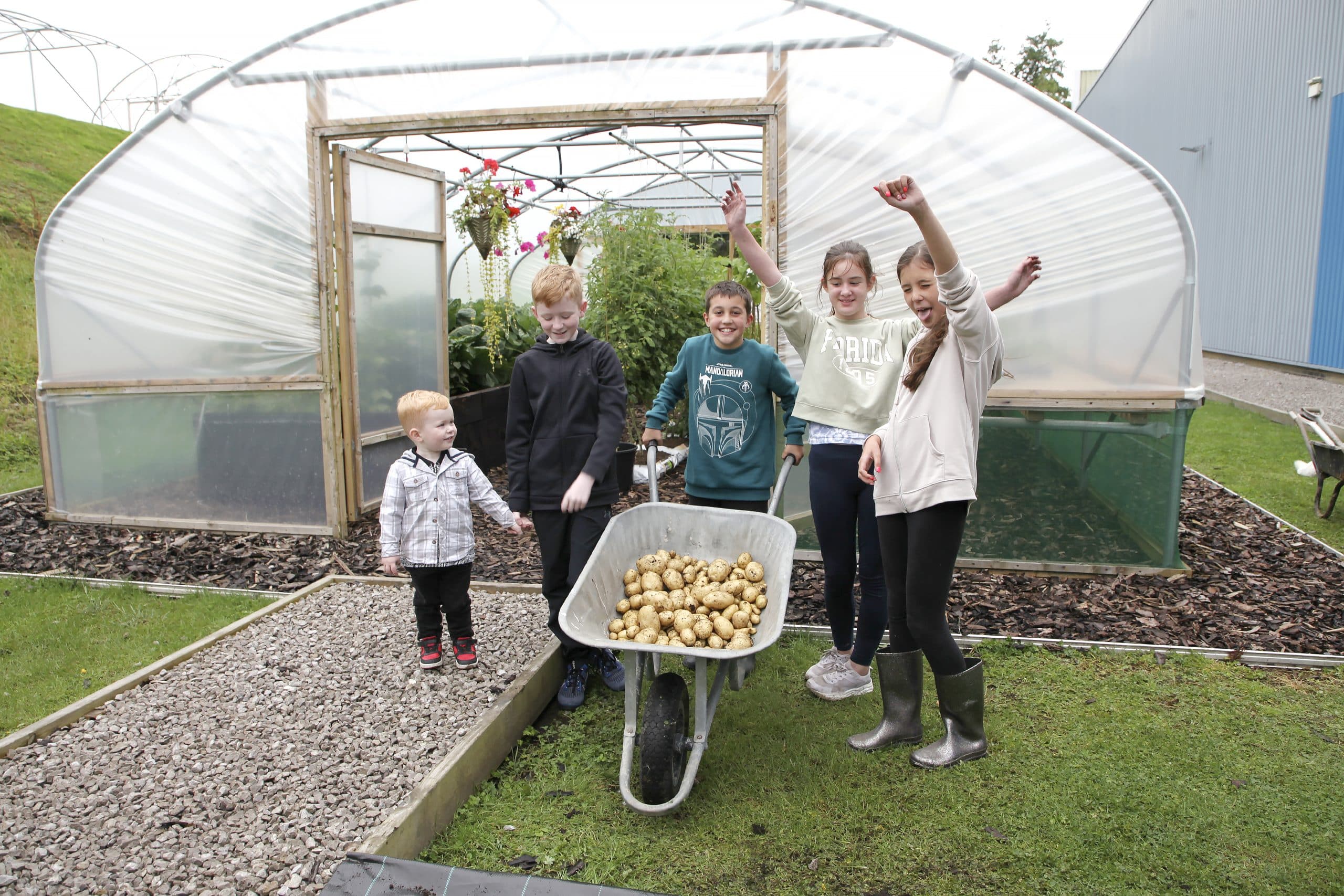
Community gardens can bring a wealth of benefits to a community, and the right community garden ideas can establish a safe space. They can improve local health and wellbeing for all those involved, and even those living nearby.
They can be places of connection, where people for forge links not only with the natural world but also with each other. And they can make a neighbourhood more beautiful than it was before.
They can be spaces where people come together not only to grow but to achieve a range of great things for their community – places where community resilience grows along with the plants, and plenty of wonderful interactions can take place.
As a garden designer, I have worked with a number of communities to come up with the best plans for their community gardens. So today I thought I would share some of my community garden tips for those who are undertaking a scheme of this kind, along with some ideas to inspire others to take up new community garden projects of their own.
Table of Contents
Finding a Location for a Community Garden

One of the first questions for those looking for community garden ideas is often where that garden would best be located. Finding a suitable location for a community garden may often be the first stumbling block that people hit when trying to work on a project of this kind.
The key is to be open to every opportunity, and to ask who owns every piece of land that you might be considering.
Look around your neighbourhood and the surroundings and ask yourself which land might be underutilized, that could potentially be hired or purchased for your community garden ideas, or even used free of charge with a certain understanding.
Speak with the local council and other landowners and opportunities can often arise. You might be surprised by how open authorities are to working with members of the community on projects of this kind.
Be open to unusual sites as even the least promising of locations can potentially become a wonderful community garden space.
Looking for a site often begins with a walk around your area. If you see a potential site, or vacant lot, try to determine who owns it. Ask around, speak to your local authority, or do a search or records on the Land Registry website. Your local authority can also be a good source of information. Ask them for records on who owns what land.
Council owned land may have the potential to become new community gardens. For example, a portion of a park or school field, or the grounds of a public building might be available. It never hurts to ask. Check the council’s Local Development Plan or Local Area Plan to see how your scheme might fit in. It can be a good idea to speak with town or parish councils as well.
If land you are eyeing up is under private ownership, approach owners directly to see whether a deal might be agreed. Private landowners, farmers, charitable organisations and big businesses that own land may all be amenable to discussion.
Think about whether you will share, rent, or even buy land for your community garden. Obviously, which of these options you can select will affect how many options are available to you. It may be worthwhile contacting your local authority to determine whether or not they have a Community Asset Transfer (CAT) strategy, and will lease land at an affordable rate.
Choosing a Style for Your Community Garden Ideas

As well as thinking about the venue for a community garden, it is also a good idea to spend some time thinking about what type of community garden you would like to create.
The first option is to create a community garden space made up of allotments – a space carved up into different lots that different households or members of the community can use to grow their own independently of other allotment holders.
The next option involves keeping a community garden as one whole space, that members of the community will share responsibility for, and garden together.
If you choose the latter option, then there are still further decisions to make. Because of course there are numerous different garden types that you might consider to create the communal garden.
For example, many community gardens will be made up of a series of raised vegetable and flower beds for primarily annual production. But there are a number of different ways in which such a garden might be designed and laid out.
A community garden might also have predominantly perennial planting – fruit trees and guilds, perhaps a fully fledged forest garden or food forest as they are otherwise known. Layered planting can be both edible and ornamental, and can take far less work than a typical annual garden once established.
Essential Design Features for Community Garden Ideas
Whatever sort of community garden ideas you’re looking for, it is important to think about the basic things that any community garden will need.
Foremost among these is, of course, some sort of water source. The most sustainable option, of course, is to rely on rainwater and harvest as much of this as possible for use on the site.
However, in some areas, natural rainfall may not always be sufficient to keep the community garden growing strong, so it may be important to built-in water-saving features into the garden design as well as thinking about where the water for the gardening efforts will come from.
Water management should be front and centre for any community garden ideas, and it will be important to think about how areas that need irrigation might receive it, and how you might create more areas of planting that save on water use.
Another important design feature to think about for a community garden is a good composting system, that will allow all the garden users to engage in this natural form of recycling, and make sure that the garden produces no waste, and remains fertile over time.
Of course, there are different composting methods that might be tried, from simple cold composting, to hot composting, to vermicomposting… and individuals might compost on their own within the community garden space. But it can be useful to have a shared, communal composting system within any community garden.
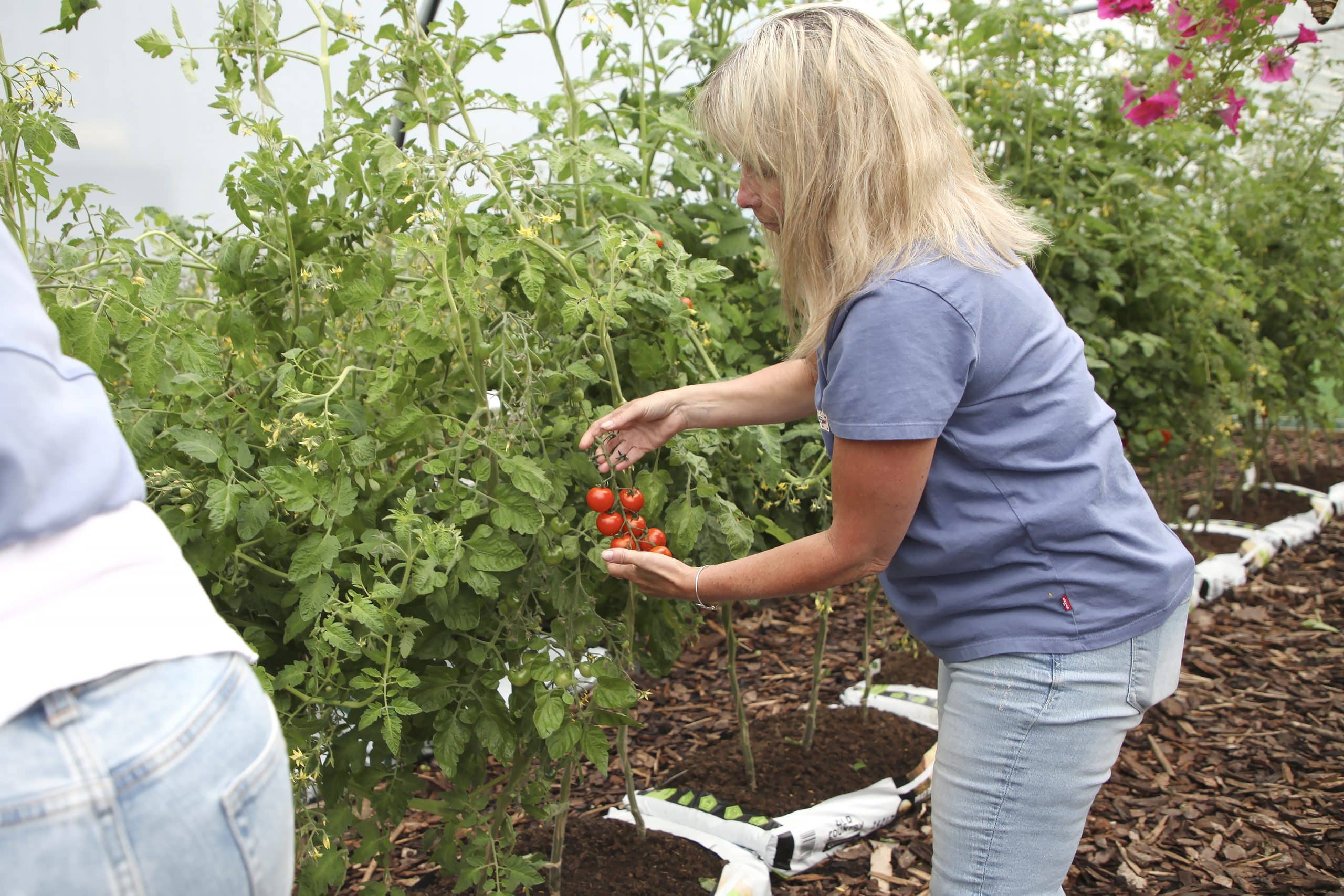
For most designs, food production will be a primary goal. And one might argue that all community gardens should produce a yield of some kind. Investing in good tools, and perhaps a good quality polytunnel can allow you to grow as much food as possible year-round and not just in summer. If fruit trees is a goal for your community garden, I recommend using a fruit cage as protection from pests such as birds.
But as well as producing food and other resources, it is important to remember that a community garden can also provide fun, healing, relaxation, and other intangible yields, as well as the yields we can hold in our hands.
Community gardens should also think about things like places to sit, and perhaps places to play, to integrate people firmly into the design.
Read More: Creating A Community Polytunnel Garden
Troubleshooting Community Garden Tips
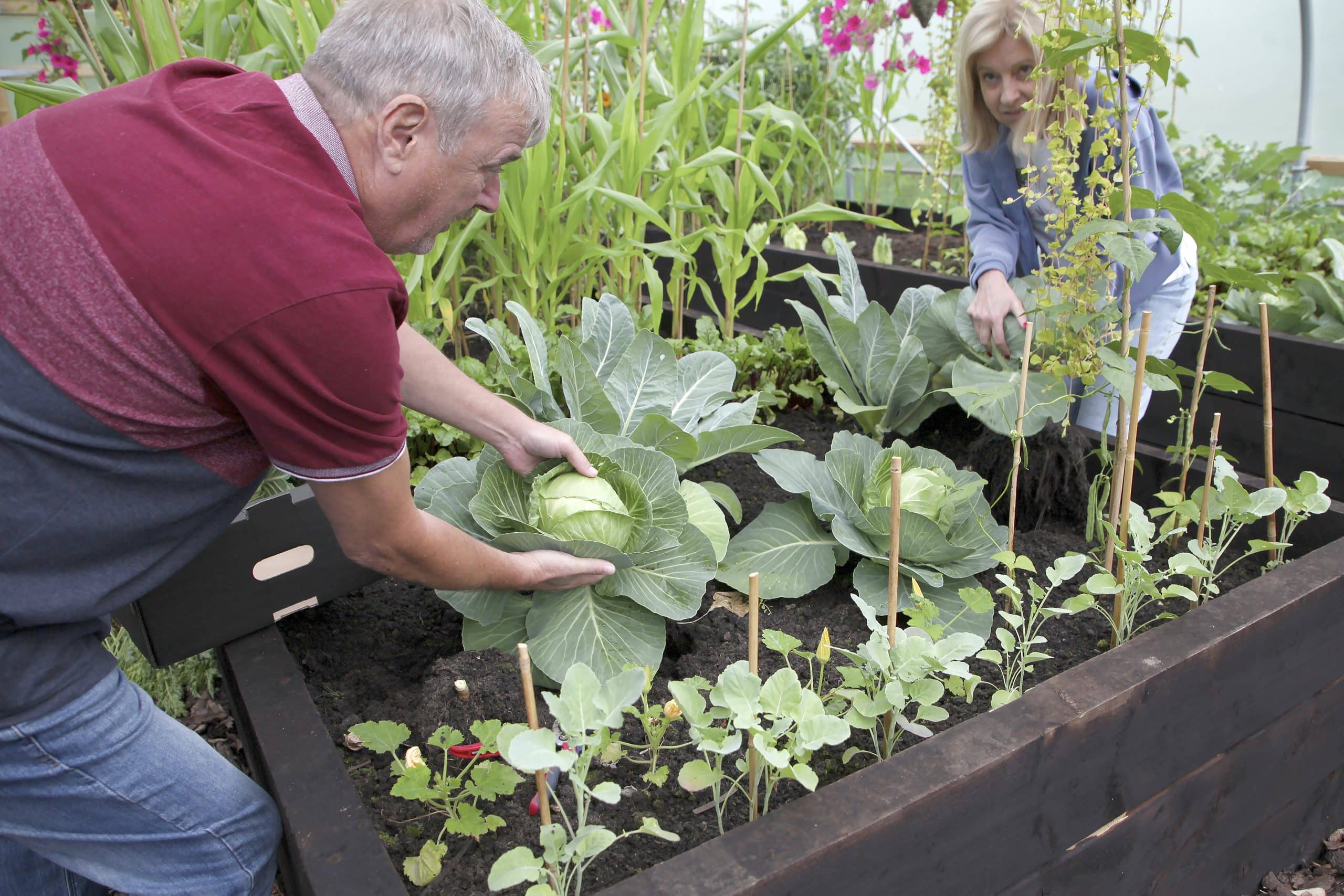
A successful community garden is always one that keeps its community members in mind at all times. It is important to remember that what works for one community may not work for another. So people should come first.
Once you have used your favourite community garden ideas, it is time to seriously begin to look into the practicalities to get your start-up off the ground. It is best to begin with a small, dedicated group who can work together to make the idea take practical form. Make sure you agree on a mission and vision, and all share a clear idea of what your garden project can become.
Once you’ve got a steering group, and a clear idea, you can engage the wider community in your project and get more people on board.
Whether it is for funding purposes, or simply to inspire, it is very important to share your vision with the wider community and accept feedback. While you will already have a core group who have been involved with the project from the beginning, you should reach out to others in your community to get more people interested and on board.
Even if they are not themselves involved with the garden, sharing your vision will help them feel a sense of ownership over the idea and feel that your project really is a garden for the whole community. Consultation and community support is crucial for some types of funding. But more than this, it can help to make sure that your garden really is a communitygarden.
You should create a working group who will create a business plan or action plan. It will also likely be helpful to have a governing document, or constitution, which will consolidate your aims and objectives. You will likely create some form of management committee who will keep things running smoothly moving forwards.
Then you can move on to planning and designing the community garden.
Maintaining Your Community Garden Ideas
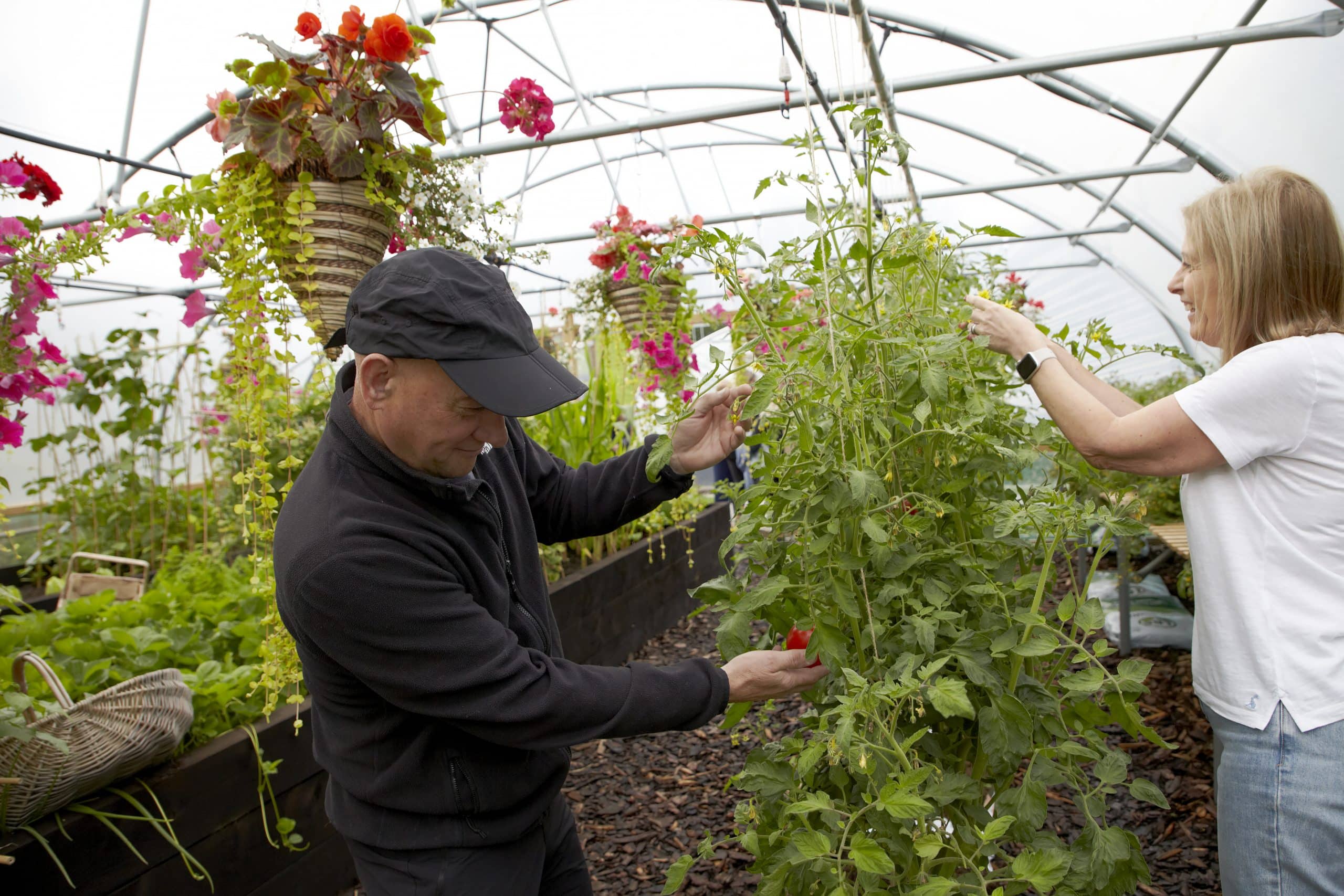
People are a community garden’s most valuable resource. Whether paid or unpaid, they need to feel valued, supported and well managed. Be active in engaging volunteers and make sure that you have plenty of fun events etc. to keep up the enthusiasm for the gardening efforts over time.
Many hands make light work and together, community gardeners can achieve some truly wonderful things. To learn more, check out our guide on starting a community garden.
References:
HM Land Registry. (n.d.). Land Registry. [Accessed 02/06/23] Retrieved from https://www.gov.uk/government/organisations/land-registry
FarmGarden. (n.d.). Community Growing Resource. [Accessed 02/06/23] Retrieved from https://www.farmgarden.org.uk/resources/search?combine=community+growing+resource+&=Search