


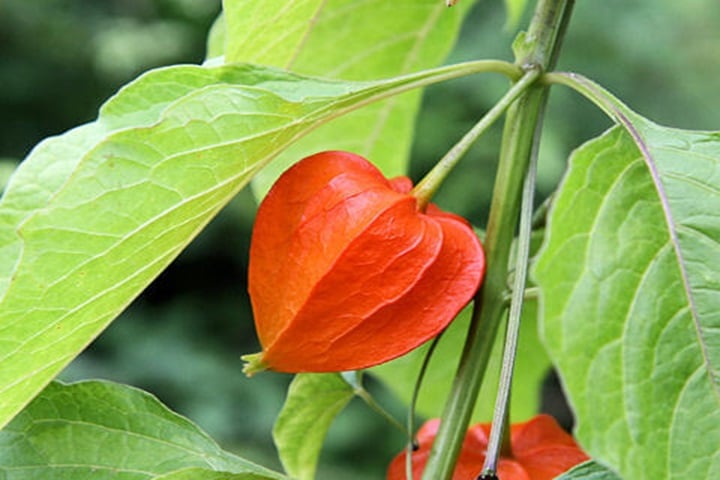
Chinese Lantern plants, Alkekengi officinarum, are captivating additions to any garden, known for their bright, lantern-shaped seed pods that add a splash of colour to the landscape.
These fascinating plants are relatively easy to grow and care for, making them a favourite among gardeners seeking to introduce ornamental beauty and interest to their gardens, You might grow Chinese lanterns in polytunnels, beds or borders, or even in pots.
This article will guide you through the essentials of growing and caring for Chinese Lantern plants.
Alkekengi officinarum: An Overview

Alkekengi officinarum, commonly known as Chinese Lantern, is a member of the nightshade family (Solanaceae). It is admired primarily for its vibrant orange or red husks that resemble lanterns, which enclose the plant’s fruit.
Though it is a perennial plant, Alkekengi often behaves more like an ornamental annual in certain climates due to its rapid growth cycle and sensitivity to extreme weather conditions.
Other common names
The Chinese Lantern plant is known by several other names. These include Winter Cherry, Bladder Cherry, Japanese Lantern, winter cherry, strawberry groundcherry, alchechengi berry and Klabuster cherry.
The lantern part of common names comes from the distinct seed pods, which resemble delicate paper lanterns.
Size
Chinese Lantern plants can grow up to 60-90 cm tall, with a similar spread, making them compact enough for containers and small garden spaces. In polytunnels, where the environment can be more controlled, they can grow slightly taller, depending on how favourable the growing conditions are.
Growing Conditions
If you would like to grow Chinese Lanterns where you live, then one of the first things to decide is precisely where to grow them. In order to choose the right location, you need to understand the growing conditions these plants require.
Position
Chinese Lantern plants thrive in full sun but can tolerate partial shade. However, for the best results, particularly when growing in pots or a polytunnel, providing them with at least 6 hours of sunlight per day is ideal. The plant prefers warm, sheltered positions, which makes it a perfect candidate for growing under the cover of a polytunnel, especially in regions with unpredictable or cooler climates.
Aspect
Choose a sunny, south-facing spot for your Chinese Lantern plant, whether in your garden, polytunnel greenhouse, or patio. This ensures that the plant gets adequate sunlight to produce its colourful seed pods, which are the main attraction of this plant.
How To Grow Chinese Lantern Plant In Pots
Chinese Lantern plants are adaptable and can be grown in the ground, in pots, or under the protection of a polytunnel. The controlled environment of a polytunnel is especially useful in climates where spring frosts or harsh winters can affect growth.
Where To Grow Chinese Lantern Plant
Chinese Lantern plants can be successfully grown both outdoors and indoors. They do well in garden beds, borders, or pots on a sunny patio.
For gardeners living in areas with unpredictable weather or shorter growing seasons, a polytunnel offers the perfect growing conditions. A polytunnel provides warmth, shelter, and consistent humidity, which allows for healthier growth and longer blooming periods.
How To Plant a Chinese Lantern Plant
When planting Alkekengi officinarum, either directly sow seeds in the garden after the last frost or start seeds indoors a few weeks before planting them out.
Seeds should be sown shallowly, as they need light to germinate. If growing in pots, ensure the container has adequate drainage holes. Plant seedlings or young plants into well-prepared soil or compost, spacing them about 30-45 cm apart to allow for growth.
Warning
It’s important to note that while the lantern-like husks are beautiful, all parts of the Chinese Lantern plant, including the unripe fruit, are toxic if ingested in large quantities. Therefore, be cautious if growing this plant in gardens where children or pets are present.
Caring For Chinese Lantern Plant
Caring for a Chinese Lantern plant is relatively simple, making it a great choice for both beginner and experienced gardeners.
Known for its vibrant, lantern-like seed pods that appear in late summer, this plant thrives in well-draining soil, full sun, and warm, sheltered conditions.
While it’s hardy, it requires attention to watering, feeding, and occasional pruning to maintain its health and ornamental appeal.
Growing Chinese Lanterns in pots or under a polytunnel can enhance their growth by providing a controlled environment, especially in regions with cooler climates or unpredictable weather conditions.
Light
Chinese Lantern plants prefer full sun but can tolerate partial shade. In a polytunnel, where light can sometimes be filtered through the cover, ensure that your plant receives as much light as possible to promote healthy blooms.
Temperature And Humidity
Chinese Lantern plants thrive in warm, temperate conditions, with an ideal temperature range between 15-25°C. They are frost-sensitive, so if you live in an area prone to late spring frosts, it’s wise to plant them in a polytunnel to extend the growing season. Humidity levels inside a polytunnel should be monitored, as overly damp conditions can encourage fungal growth.
Soil
The soil should be well-draining, loamy, and slightly acidic to neutral, with a pH of 6.0-7.0. Chinese Lantern plants are adaptable to various soil types, but they prefer soil that is rich in organic matter. If growing in pots, use a high-quality potting mix combined with organic compost.
Water
Keep the soil evenly moist but not waterlogged. Overwatering can lead to root rot, particularly if growing in pots where drainage may be restricted.
Watering deeply once a week should suffice, but you may need to water more frequently during hot weather or if your plant is growing in a polytunnel where temperatures are higher.
Fertiliser
Chinese Lantern plants are not heavy feeders but can benefit from a balanced fertiliser during the growing season. A balanced, organic liquid fertiliser applied every 4-6 weeks will promote healthy foliage and vibrant lantern pods.
Chinese Lantern vs. Tomatillo
The Chinese Lantern plant is often confused with the tomatillo (Physalis philadelphica), another member of the nightshade family that produces similar husks. However, while tomatillos are grown for their edible fruits, the Chinese Lantern’s primary appeal lies in its ornamental pods. The fruits of Alkekengi officinarum are not commonly eaten and can be toxic if consumed when unripe.
Pruning
Pruning is not essential, but cutting back the plant after the growing season encourages fresh growth and prevents overcrowding. In autumn, after the lanterns have formed and the plant starts to die back, cut the stems down to the ground to tidy the plant and prepare it for the next growing season.
Propagating Chinese Lantern
Chinese Lantern plants can be propagated from seed or through division. Seeds can be sown indoors in late winter or early spring. For quicker results, you can divide established plants in early spring.
Simply dig up the plant and separate the root clumps, ensuring that each new section has roots attached, then replant them in pots or in the garden.
How To Get Chinese Lantern To Bloom
For abundant blooms and vibrant lanterns, ensure that your plant gets plenty of sunlight and is grown in nutrient-rich, well-draining soil. Avoid waterlogged conditions, which can stunt growth and inhibit blooming.
Bloom Months
Chinese Lanterns typically bloom in mid-summer, around July, with their distinctive lanterns forming in late summer and early autumn.
What Does Chinese Lantern’s Flowers Look And Smell Like?
The flowers of the Chinese Lantern plant are small, white or cream-coloured, and relatively inconspicuous compared to the more striking orange-red seed pods. The flowers themselves are not known for any particular fragrance.
How To Encourage More Blooms
To encourage more blooms and a profusion of lantern pods, ensure the plant is regularly watered, fed with a balanced fertiliser, and receives plenty of sunlight. Pinching back the tips of young plants can also encourage bushier growth and more blooms.
Caring For Chinese Lantern After It Blooms
Once the Chinese Lantern plant has finished blooming and the pods have formed, continue to care for the plant by watering and fertilising regularly. The lantern pods will remain on the plant well into autumn, adding interest to your garden or polytunnel.
Deadheading Chinese Lantern Flowers
Deadheading spent flowers is not necessary for this plant, as the ornamental appeal comes from the seed pods that form after the flowers have faded. However, you can remove any unsightly or damaged flowers to keep the plant looking tidy.
Growing Chinese Lantern Plant: Problem Solving
Growing a Chinese Lantern plant can be a rewarding experience, but like any plant, it may encounter some common issues.
From yellowing leaves to pest infestations, understanding the potential problems can help you maintain a healthy and vibrant plant. These issues often stem from environmental factors such as overwatering, poor soil conditions, or pests like slugs and aphids.
Addressing these problems early on ensures your Chinese Lantern plant thrives, whether in the garden, pots, or a polytunnel. With proper care, you can resolve these issues and enjoy the plant’s distinctive lantern-shaped seed pods year after year.
Leaves Turning Yellow
Yellowing leaves can be a sign of overwatering, poor drainage, or nutrient deficiencies. Ensure that the plant is not sitting in waterlogged soil and consider applying a balanced fertiliser.
Holes In Leaves
Holes in the leaves may indicate a pest problem, such as slugs or snails. If you notice these pests, consider using organic slug repellents or placing barriers around the plant.
Leaves Turning White Or Grey
White or grey patches on the leaves are often a sign of powdery mildew, a fungal disease common in humid environments. Ensure good air circulation around your plant, especially if it’s growing in a polytunnel, and treat the affected plant with an organic fungicide if essential.
Common Pests & Plant Diseases
Chinese Lantern plants are relatively hardy but can be susceptible to pests like aphids and spider mites. Regularly inspect the plants for any signs of infestation and treat them with insecticidal soap as a last resort if natural pest management techniques have been unsuccessful.
Advice On Buying Chinese Lantern Plant
When purchasing a Chinese Lantern plant, choose healthy specimens with strong, green foliage and no signs of pests or diseases. Avoid plants with yellowing or wilted leaves, as these may indicate underlying health issues. Consider purchasing seeds from a reputable supplier if you wish to grow the plant from scratch.
Can You Grow A Chinese Lantern Plant In A Polytunnel?
Yes, Chinese Lantern plants can definitely be grown successfully in a polytunnel. In fact, a polytunnel provides ideal growing conditions, offering warmth and shelter, which helps extend the growing season. In cooler climates, polytunnels protect the plants from frost, while in warmer climates, they can help regulate humidity levels.
Chinese Lantern plants are striking additions to any garden, with their vibrant seed pods and manageable growing requirements. Whether grown in a polytunnel or pots, these plants are sure to add a unique visual element to your garden. By following the guidance in this article, you’ll be well on your way to enjoying the beauty of Alkekengi officinarum in your home garden.
FAQs
Can You Eat The Fruit Of A Chinese Lantern?
The fruit of the Chinese Lantern plant is technically edible when fully ripe, but it is generally not recommended for consumption, as it can be toxic if eaten unripe. The fruit is not particularly palatable, and the plant is primarily grown for its ornamental value.
Do Chinese Lantern Plants Come Back Every Year?
Yes, Chinese Lantern plants are perennial, meaning they can return each year if properly cared for. In colder climates, they may die back in winter but will regrow from their root system in spring.
Is Chinese Lantern A Vine?
No, Chinese Lantern is not a vine. It grows as a bushy, upright plant, typically reaching heights of 60-90 cm.
Sources
Plews Garden Design. (2021) 8 Chinese Flowers for Chinese New Year. [online] Available at: https://plewsgardendesign.co.uk/8-chinese-flowers-for-chinese-new-year/ [accessed 28/10/2024]