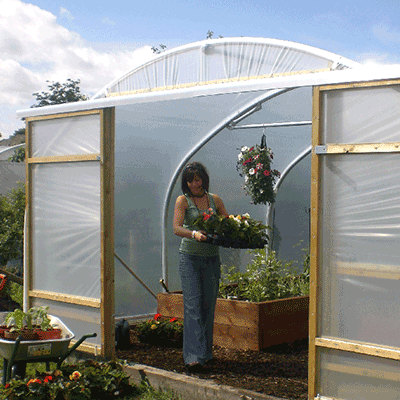
Autumn is upon us, and the summer has come to an end. But that does not mean that there are not still lots of things we can be getting on with in the garden, and our gardens can still look wonderful too.
As we plant spring bulbs, and gather autumn leaves, for example, we can also think about how to keep the colour going well into the winter months, in gardens large or small, with these autumn plants for pots and other autumn planter ideas for plenty of seasonal colour.
What things do I need to consider when growing vegetables and other plants in containers?
When creating autumn planters, it’s essential to consider several key factors to ensure your plants thrive in containers. Whether you’re growing vegetables, flowers, or foliage plants, pots and containers offer flexibility and can help you make the most of your space. But they also come with specific challenges.
You need to consider:
- Location and environmental conditions – particularly when it comes to temperatures, light levels, rainfall/ water availability and wind exposure.
- The size and characteristics of the containers that you choose.
- The potting mix or other growing medium that you use. (Good quality potting mixes/ growing mediums provide better results.)
Autumn Planter Tips and Ideas
When it comes to creating beautiful autumn planters, planning ahead is key. From choosing the right plants to preparing your containers, a bit of forethought will help keep your garden looking vibrant and fresh all season long.
1. Clean Up Containers
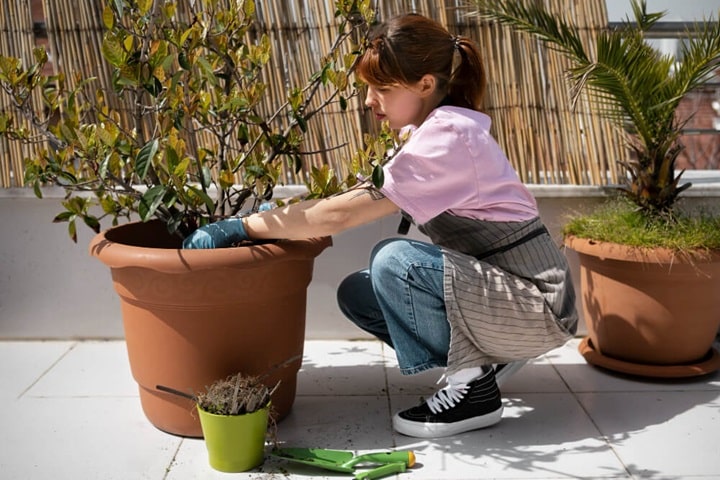
Before starting your autumn planters, it’s essential to clean out any containers you plan to reuse. Old pots may harbour pests, diseases, or fungi that could harm new plants. Cleaning ensures a healthy environment for your new plants.
2. Basic Tip for Clean Containers:
Start by emptying the old soil and scrubbing the inside of the pot with a brush or sponge.
Use a solution of one part bleach to nine parts water to disinfect the container where disease may have been present, or a simple natural soap solution where this is not required, then rinse thoroughly and let it dry completely before refilling with fresh soil.
3. Size of Containers and Other Important Characteristics
The size and characteristics of containers play a crucial role in the health and success of your autumn planters. Choosing the right containers for your plants is about more than just aesthetics; it directly impacts plant growth, root development, and overall vitality. Let’s explore some of the key factors you need to consider, starting with container size, as well as other characteristics like material, drainage, and insulation.
4. Container Size
When planning an autumn display, the size of the container is one of the most important aspects to consider. The container size determines how much space the plant roots have to grow, how much soil the container can hold, and how well it will retain water.
Larger Containers:
Larger containers are generally the best option for most autumn planters. They offer plenty of space for plant roots to expand and grow, ensuring that the plants remain healthy throughout the cooler months.
Larger containers also hold more soil, which helps retain moisture for longer periods. This is particularly important in autumn, as fluctuating temperatures can cause soil to dry out faster than in-ground plants.
With more soil, plants are less likely to become stressed due to inconsistent watering. Larger containers also provide more stability for taller plants or combinations of plants with varying heights, ensuring the arrangement stays balanced.
Smaller Containers:
While smaller containers can be useful for specific plants or arrangements, they come with some challenges. Smaller pots dry out faster, meaning they will require more frequent watering to keep the plants healthy.
Smaller containers also limit root space, which can stunt growth or stress plants, especially for those that need more space for root development, such as ornamental grasses or woody herbs.
However, small pots can work well for low-maintenance, drought-tolerant plants like succulents and sempervivums, which don’t require as much water or soil space.
Depth Considerations:
The depth of the container is another critical factor. Deep containers are ideal for plants with long root systems, such as ferns, heucheras, or chrysanthemums.
Shallow containers, on the other hand, are better suited for plants with shorter root systems, like sedums or violas. Matching the depth of the pot to the root structure of your chosen plants is important for successful growth.
5. Other Container Characteristics
While size is a primary concern, there are other container characteristics that can affect plant growth and the longevity of your autumn displays. These include the material of the container, drainage capabilities, weight, insulation, and aesthetic considerations.
The material of your container, for example, influences both the functionality and appearance of your planter. Different materials have varying levels of water retention, insulation, and durability.
6. Use perennials you can plant in the garden afterwards
A great way to extend the life of your autumn planter is to choose perennials that can be transplanted into your garden after the season ends. Plants like sedums, heucheras, and ferns can be enjoyed in containers through the autumn and then moved into garden beds to grow for years to come.
7. Make the most of foliage
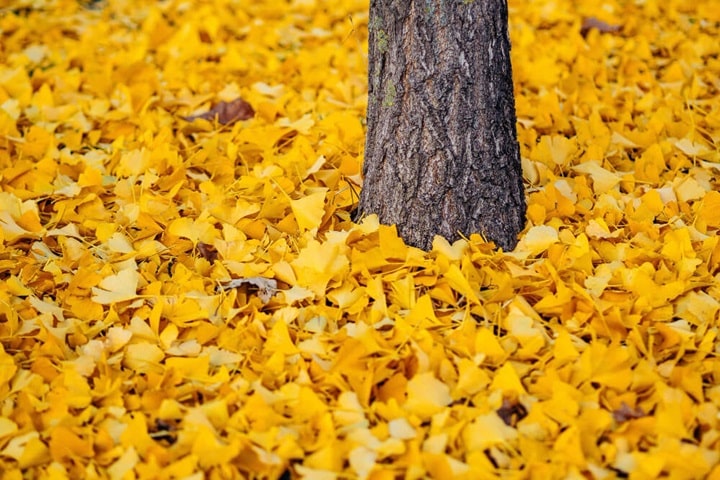
Foliage plays a crucial role in creating attractive autumn planters. Plants with bold, textured leaves can add depth and interest, even when flowers fade. Consider using foliage-rich plants like eucalyptus, ferns, or heucheras, which offer striking colour and texture, keeping planters looking fresh throughout the season.
8. Make the most of woody herbs
Woody herbs like sage, thyme, and rosemary are not only practical but also add beautiful structure to your planters. Their hardy nature makes them perfect for autumn, and their aromatic qualities can bring an extra sensory element to your garden space. Plus, they can often withstand the cooler temperatures and last well into winter.
9. Limit your colour palette
In autumn planters, less is often more. Limiting your colour palette creates a more cohesive and elegant look. Opt for rich, warm hues like deep reds, oranges, yellows, and purples, which echo the natural tones of the season. You can also combine foliage in silvers and greens to balance brighter blooms.
10. Select plants that stay looking good through winter
To ensure your planters provide interest well into the colder months, choose plants that maintain their structure and appearance through winter. Evergreens, heathers, and sedums are excellent choices that hold their form and colour even after the first frost.
11. Make sure the plants work together
When combining plants in a single container, consider their growth habits, water needs, and light requirements. A good combination of plants should have similar care requirements to avoid competition for resources. Mixing plants with contrasting textures and forms can create a dynamic and visually appealing autumn planter.
12. Choose pots and plants that suit one another
Select containers that complement the style and scale of your plants. Large, bold plants like ornamental grasses look best in equally substantial pots, while smaller, delicate plants like violas can shine in more modest containers. Additionally, consider the colour and material of the pot to enhance the overall aesthetic.
13. Deadheading can be important to keep autumn planters looking good for longer
Regular deadheading, or removing spent flowers, encourages plants to produce more blooms and keeps your planters looking fresh. This is especially important for autumn planters, as the cooler temperatures can slow down growth. By deadheading regularly, you can extend the blooming season of many autumn flowers.
Best Autumn Plants for Pots: Autumn Planter Ideas
Choosing the right plants is crucial to creating a beautiful autumn planter. Below are some of the best plants for autumn containers that will provide vibrant colour and texture through the cooler months.
Agastache, Sedum, and Veronica
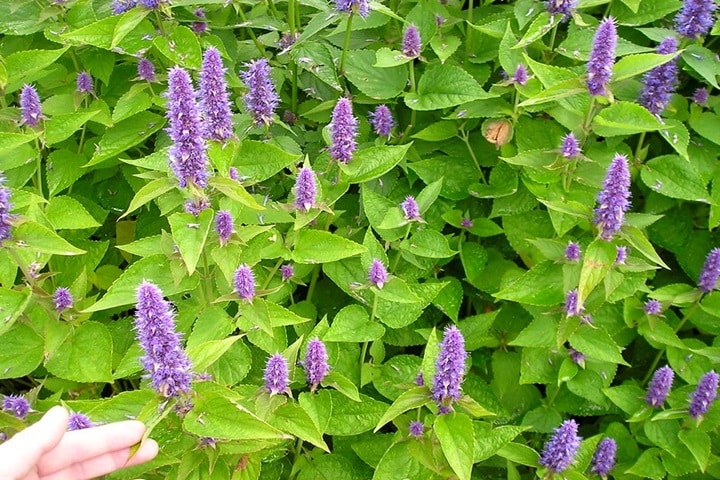
This trio creates a striking display of texture and colour. Agastache provides vertical interest with its tall spires, sedum offers a low-growing mat of fleshy leaves, and veronica adds elegant spikes of colour. Together, they create a balanced and eye-catching planter that thrives in the autumn months.
Chrysanthemums
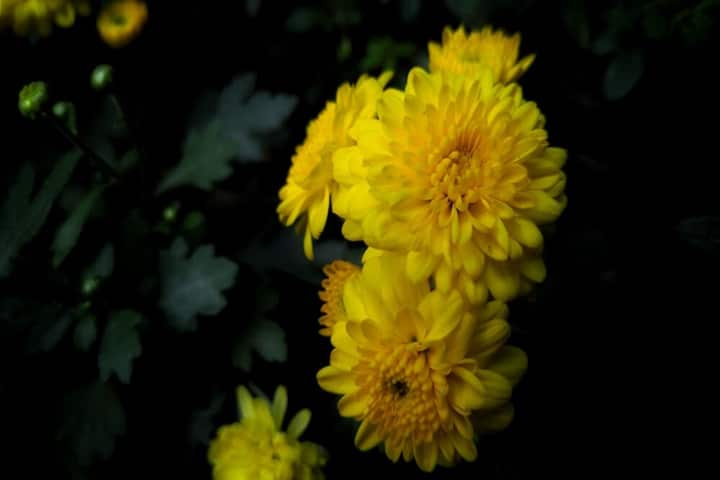
A classic autumn flower, chrysanthemums bloom in a wide array of vibrant colours, including yellows, reds, and purples. These hardy plants are perfect for pots and can continue blooming well into late autumn, bringing warmth and colour to your garden as the days grow cooler.
Dahlia, Heuchera, and Carex
For a planter that mixes bright blooms with interesting foliage, combine dahlias, heucheras, and carex. The striking flowers of the dahlia pair beautifully with the richly coloured leaves of the heuchera, while carex adds a grassy texture that brings movement to the arrangement.
Festuca, Rudbeckia, and Eucalyptus
Create a planter full of texture and interest by combining festuca (a blue-green grass), rudbeckia (with its bright yellow blooms), and eucalyptus (which offers silvery, aromatic leaves). This combination brings a variety of colours and forms, making it a stunning focal point for any autumn garden.
Ferns and Shade-Tolerant Flowers
If your outdoor space is shaded, ferns and shade-tolerant flowers like cyclamen and hellebores are excellent options for autumn planters. These plants thrive in low light and add soft, elegant texture to your container displays.
Heathers
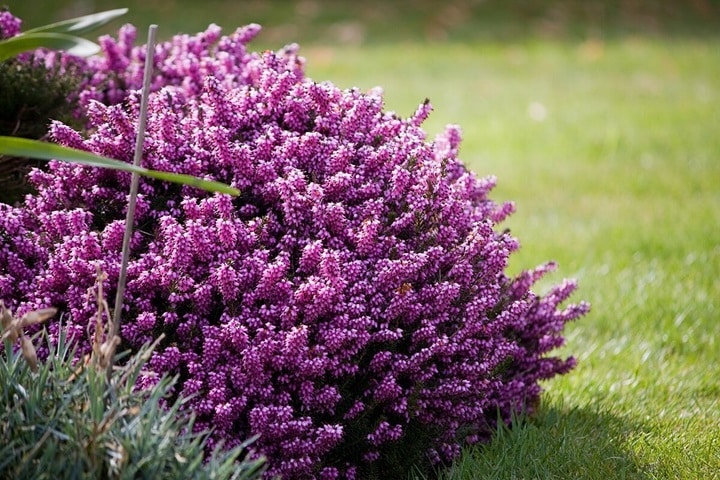
Heathers are a popular choice for autumn planters due to their hardiness and vibrant blooms that last throughout the season. They come in a range of colours, from purples and pinks to whites, and their evergreen nature means they continue to look attractive even in the colder months.
Hylotelephium, Japanese Anemones, and Anemanthele
This combination offers a variety of textures and colours that work beautifully in autumn containers. Hylotelephium (formerly known as sedum) provides rich, fleshy foliage and late-blooming flowers, Japanese anemones offer delicate blooms in pink or white, and anemanthele adds airy, grass-like texture.
Rudbeckia, Symphyotrichum, and Anemanthele
For a vibrant display of autumn colour, combine rudbeckia with symphyotrichum (formerly known as asters) and anemanthele. The warm yellows of rudbeckia pair perfectly with the purple asters, while anemanthele adds a soft, flowing texture to the arrangement.
Sedums
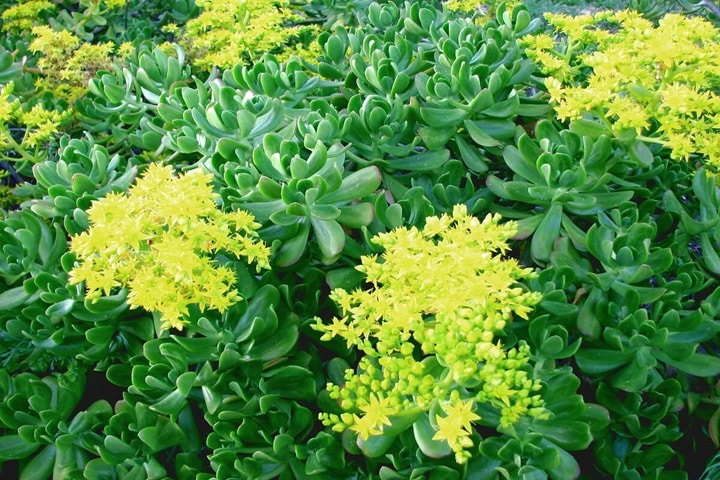
Sedums are versatile, hardy plants that come in a range of sizes and colours, making them ideal for autumn containers. Their fleshy leaves retain moisture, making them drought-tolerant and perfect for low-maintenance autumn displays. Their late-blooming flowers also provide nectar for pollinators.
Sempervivums
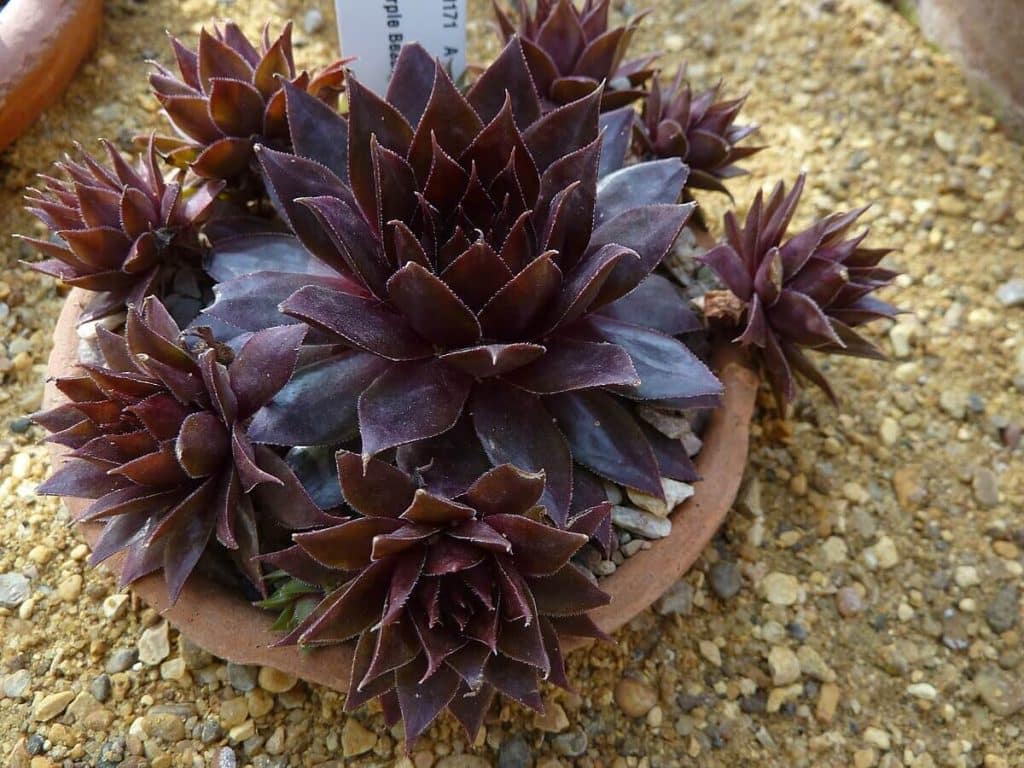
Also known as houseleeks, sempervivums are hardy succulents that thrive in containers. Their rosette-shaped growth and ability to tolerate cooler temperatures make them perfect for autumn planters. They come in various colours and can be combined with other succulents or drought-tolerant plants for a striking display.
FAQs
What are the best plants to include in autumn planters?
The best plants for autumn planters include chrysanthemums, sedums, heathers, rudbeckia, ornamental grasses, and hardy perennials like ferns and hellebores. These plants thrive in cooler temperatures and provide long-lasting visual appeal.
What colours work well in autumn planters?
Autumn planters look best with warm, rich colours such as deep reds, oranges, yellows, and purples. Pair these with silvery or green foliage to create a balanced, harmonious look. Limiting your palette to a few complementary colours helps create a cohesive design.
How do I protect my autumn planters from frost?
To protect your autumn planters from frost, move them into a polytunnel, or to sheltered spots, such as near walls or under awnings. You can also wrap containers in bubble wrap or fleece to insulate them or cover plants with frost cloth when temperatures drop.
Sources
Thompson’s Plants. (2021) How to grow sempervivums. [online] Available at: https://www.thompsons-plants.co.uk/news/764/how-to-grow-sempervivums [accessed 27/09/24]