

Agastache, commonly known as Hyssops or Hummingbird Mints, are plants within a genus of attractive, herbaceous perennial plants. They can elevate any garden with their aromatic foliage, colourful flowers, and ability to attract pollinators. There are over 20 different species of Agastache, mostly native to North America, with one species from eastern Asia but though they are not native, they can be beneficial for native pollinators, but one may come across a series of Agastache problems when growing them.
As a member of the mint family, Agastache species share many of its relatives’ appealing traits: resilience, fragrance, and a long blooming period.
For gardeners in the UK, Agastache can thrive in various environments when cared for properly and you can find out more about growing and caring for it in this guide.
How To Grow Agastache
Agastache comes in many varieties, each with its distinct characteristics. For UK gardeners, some of the most popular species include Agastache foeniculum (Anise Hyssop), Agastache ‘Blue Fortune’, and Agastache ‘Kudos’. These varieties are well-suited to the UK’s climate, offering hardy growth and striking visual appeal.
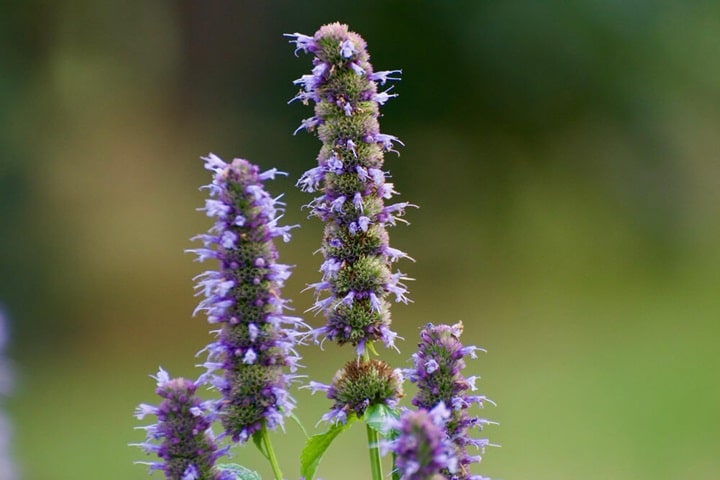
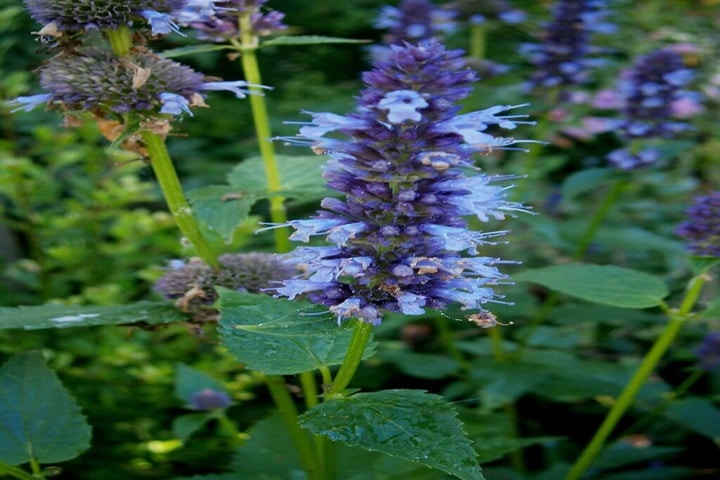
When selecting Agastache for your garden, consider factors like flower colour, height, and fragrance. Agastache foeniculum produces aniseed-scented foliage with lavender-blue spikes of flowers, while varieties such as Blue Fortune bloom with vibrant purple-blue blooms that are a favourite for pollinators.
Soil Requirements
Agastache thrives in well-drained soil, making it ideal for areas with free-draining, slightly alkaline conditions. The plant is not particularly fussy about soil quality, but it prefers moderately fertile ground with good drainage. Clay-heavy soils can retain too much water, leading to root rot, so if you have clay soil, consider amending it with organic matter or growing Agastache in containers or raised beds.
It is advisable to mix coarse sand or gravel into the soil for improved drainage. Agastache’s roots are shallow, and excessive moisture around them can result in poor growth or even kill the plant.
Sunlight and Position
Agastache plants perform best in full sun, where they can receive a minimum of six hours of direct sunlight per day. Full sun encourages robust flowering and dense growth. In the UK, this can mean placing Agastache in a south-facing or west-facing spot for optimal sunlight exposure.
Though Agastache is relatively drought-tolerant once established, it does appreciate a good supply of sunlight to maintain its energy levels, especially during the cooler UK summers. In cooler climates, Agastache can still tolerate some light afternoon shade, but too much shade may result in leggy growth and fewer flowers.
Planting Agastache
Planting Agastache is relatively straightforward and can be done either from seeds, young plants, or cuttings. Here’s how to get started:
- Timing: The best time to plant Agastache is in late spring after the last frost, when the soil is warm and the risk of frost is minimal. Agastache can also be started indoors in early spring and then transplanted outside when the weather is suitable.
- Spacing: When planting multiple Agastache, space the plants 30 to 45 cm apart. This will allow for proper air circulation and reduce the risk of fungal diseases.
- Digging the Hole: Dig a hole that is slightly larger than the root ball of the plant. The top of the root ball should sit level with the surrounding soil. This helps prevent water from pooling around the roots and ensures proper drainage.
- Watering: Water the plant thoroughly after planting to settle the soil around the roots. Agastache is relatively drought-resistant, but it will need regular watering during its establishment period, particularly in dry weather.
- Mulching: After planting, apply a light layer of mulch to conserve moisture and reduce weed growth. Avoid piling mulch around the base of the plant, as this can trap moisture and promote fungal infections.
Caring for Agastache
Once established, Agastache is highly drought-tolerant and requires minimal watering. Over-watering is one of the most common mistakes gardeners make when caring for Agastache. It is essential to allow the soil to dry out between waterings. Water the plant deeply, but infrequently, ensuring that the soil is well-drained. Why not consider irrigation systems for your Agastache?
During particularly hot and dry spells, Agastache will benefit from a moderate watering schedule, but always check that the soil is not waterlogged before watering. The plant’s roots are sensitive to excess moisture, so it’s better to under-water than over-water.
Fertilizing Agastache
Agastache is a relatively low-maintenance plant in terms of fertilization. Too much fertiliser can lead to excessive foliage growth at the expense of flowers, so it’s best to avoid heavy feeding. However, an annual application of a balanced, slow-release fertiliser in the spring can help encourage healthy growth and abundant flowering.
Alternatively, a good quality compost or well-rotted manure can be added to the planting site in early spring to provide organic nutrients.
Pruning and Deadheading
Agastache benefits from occasional pruning to keep it tidy and encourage new growth. Deadheading spent flowers throughout the blooming season will not only keep the plant looking neat but will also encourage more blooms. Removing dead flower spikes will prevent the plant from putting energy into seed production and instead focus on producing new flowers.
After the growing season ends in the autumn you can, for neatness sake, cut back the plant to ground level. This will help prepare it for the colder months and prevent any disease from overwintering in dead foliage. However, you may also wish to leave perennials standing over winter, as this can be beneficial for a range of winter wildlife.
Winter Care
In the UK, Agastache is generally hardy, but winter protection may be needed in regions where temperatures fall below freezing. After cutting back the plant in autumn, apply a layer of mulch to insulate the roots and protect the plant from cold winds. If you live in an area with particularly harsh winters, consider covering Agastache with horticultural fleece for extra protection.
How To Propagate Agastache
Agastache can be propagated in several ways, allowing you to expand your collection without buying new plants. The most common propagation methods are through seeds, cuttings, or division.
Propagating by Seed
Agastache seeds are easy to collect and can be sown either indoors or outdoors. Here’s how:
- Collecting Seeds: Wait until the flowers have faded and the seed heads have matured. Collect the seeds and store them in a cool, dry place until you’re ready to sow them.
- Indoor Sowing: In late winter to early spring, sow seeds indoors in a tray filled with seed compost. Press the seeds gently into the surface of the compost, but don’t cover them with soil. Agastache seeds need light to germinate.
- Germination: Keep the tray in a warm, bright location. Agastache seeds usually germinate within 10-14 days. Once the seedlings have developed a few leaves, they can be hardened off and planted outside.
- Outdoor Sowing: You can also sow seeds directly into the garden after the risk of frost has passed. Choose a well-drained, sunny spot, and scatter the seeds evenly. Gently rake over the soil to ensure the seeds are in contact with the soil surface.
Propagating by Cuttings
Agastache can also be propagated by taking cuttings in late spring or early summer.
- Selecting a Cutting: Choose a healthy, non-flowering stem from the base of the plant. Cut about 10 cm from the stem, ensuring it has at least two leaf nodes.
- Rooting: Remove the lower leaves and dip the cut end into rooting hormone. Place the cutting in a pot filled with well-drained compost, and water thoroughly.
- Maintaining the Cutting: Keep the pot in a warm, bright location but out of direct sunlight. Cover the cutting with a plastic bag or cloche to maintain humidity. After a few weeks, the cutting should develop roots, at which point it can be potted on and eventually planted outside.
Propagating by Division
Division is an easy and effective way to propagate Agastache, especially for older plants that have become too large or crowded.
- Digging Up the Plant: In early spring, carefully dig up the entire plant, ensuring you don’t damage the root system.
- Dividing: Using a sharp knife or garden fork, divide the plant into smaller sections, ensuring that each division has both roots and foliage.
- Replanting: Replant the divisions in well-prepared soil, and water them thoroughly. New growth should appear quickly.
Agastache Problems
Agastache is a hardy and relatively pest-resistant plant, but like any garden plant, it can experience occasional issues. Here are some common pests and agastache problems, and how to solve them:
Common Pests
- Aphids: Aphids are small, sap-sucking insects that can sometimes attack Agastache. They are most commonly found on new growth. To control aphids, spray the plant with a strong jet of water or treat with insecticidal soap. Encourage natural predators like ladybirds, which will help control aphid populations.
- Slugs and Snails: These pests can damage the leaves of Agastache, particularly in damp conditions. Set up slug traps or use slug pellets to protect the plant. You can also create barriers using crushed eggshells or copper tape to deter slugs.
- Spider Mites: These tiny arachnids can cause speckling on leaves and webs to appear. Use a mild soap solution if necessary to rinse off the mites.
Common Diseases
- Powdery Mildew: Powdery mildew is a fungal disease that can affect Agastache, particularly in humid conditions. If you notice white, powdery patches on the leaves, remove the affected foliage and ensure the plant has good air circulation. If necessary, apply a fungicide designed for mildew control.
- Root Rot: Root rot is a common issue in overly wet soils. If your Agastache is wilting despite adequate watering, it could be a sign of root rot. Improve drainage or relocate the plant to a better-drained spot.
- Leaf Spot: Brown spots or lesions on the leaves could indicate a fungal leaf spot infection. Remove affected leaves, avoid overhead watering, and ensure proper air circulation to prevent future outbreaks.
Environmental Issues
- Too Much Shade: Agastache can become leggy and sparse if it does not receive enough sunlight. If your plant is struggling in a shaded area, consider moving it to a sunnier location or prune back competing plants.
- Cold Damage: Although Agastache is fairly hardy, it may still be vulnerable to frost damage during very cold winters. Apply protective mulch and, if necessary, cover the plant with fleece to prevent frostbite. Additionally, using a polythene cover will allow for thermic efficiency in your polytunnel.
Advice On Buying Agastache
When purchasing Agastache, it’s important to select plants from a reputable nursery or garden centre. Look for healthy plants with vibrant foliage and no signs of pests or disease.
It’s often best to choose young, well-established plants in spring or early summer for the best chance of success.
If buying online, ensure the supplier provides clear details about the plant’s size, variety, and care instructions, as well as offering a return policy in case the plants arrive in poor condition.
Agastache Varieties To Grow
There are several varieties of Agastache that are well-suited to UK gardens. Some of the most popular include:
- Agastache foeniculum (Anise Hyssop): Known for its lavender-blue flowers and aromatic, anise-scented foliage.
- Agastache ‘Blue Fortune’: A compact variety with spikes of blue-purple flowers, perfect for attracting pollinators.
- Agastache ‘Kudos’: A series of compact hybrids with vibrant colours like pink, red, and purple, great for smaller spaces.
Agastache Uses
Agastache is a versatile plant used in gardens for both ornamental and practical purposes. It’s a great choice for attracting pollinators like bees and butterflies.
The aromatic leaves of species in this genus can be used in cooking, particularly in teas or as flavouring for desserts. Agastache species can also be used in herbal remedies, such as making a soothing tea for digestive health or relaxation, for example.
FAQs
Can Agastache be grown in a polytunnel?
Yes, Agastache can thrive in polytunnels uk as long as suitable conditions and appropriate care are provided.
How much spacing is required between Agastache plants in a polytunnel?
Space plants 30 to 45 cm apart. This allows for proper air circulation, reducing the risk of fungal diseases.
What are the benefits of growing Agastache in a polytunnel versus outdoors?
Growing Agastache in a polytunnel offers several advantages, including protection from harsh weather, such as heavy rainfall or frost, and more consistent temperatures.
Sources
Shrader, K., (2024) 13 Drought-Tolerant Plants That Can Handle Dry Weather. Birds and Blooms. [online] Available at: https://www.birdsandblooms.com/gardening/drought-tolerant-gardening/top-10-drought-tolerant-plants/ [accessed 10/01/2025]