

With the long days and warming soils of early summer upon us, June is a pivotal month in the British gardening calendar. So, what to sow in June?
Whether you cultivate a market garden, kitchen garden or sprawling allotment, a polytunnel, pocket-size patio, or a sunny balcony, there’s wide scope to sow, plant out and nurture a second wave of delicious crops and vibrant blooms.
In this article we will explore the fruits & vegetables, flowers, trees, and shrubs to plant in June, as well as essential maintenance tasks, harvest highlights and more jobs to do this month. The aim is to help everyone make the most of their garden throughout the whole of the growing season and beyond.
What To Sow In June: 15 Fruits & Vegetables to Grow
June signals the perfect moment to raise tender seedlings under cover, harden off young plants outdoors, and direct-sow fast-maturing crops. Here are seven top choices:
1. Pak Choi
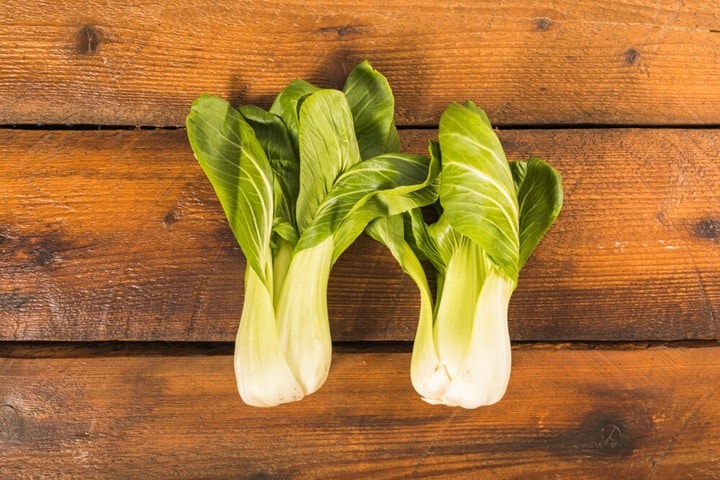
A member of the brassica family, pak choi thrives in cooler seasons yet tolerates early summer sowings if given partial shade. Sow seeds directly in moist, fertile soil at 2–3cm depth and 20cm spacing. Keep the soil evenly moist to avoid bolting. Harvest young leaves after four to six weeks, slicing the base just above the soil line to encourage regrowth.
2. Broccoli
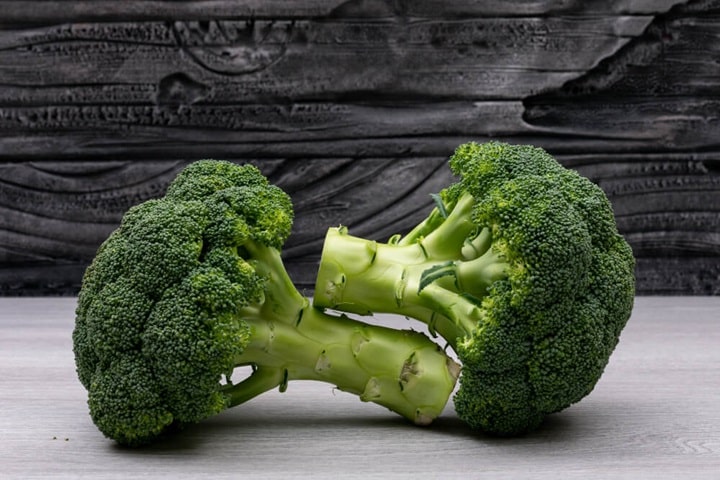
For a late-summer harvest, sow broccoli transplants in early June. Choose vigorous, frost-hardy varieties such as ‘Calabrese’ or ‘Green Sprouting’. Plant seedlings 45cm apart in well-drained soil enriched with garden compost. Regular feeding with a balanced fertiliser promotes healthy heads. Aim to harvest main heads before they begin to open, with side shoots filling in over August and September.
3. Cabbage
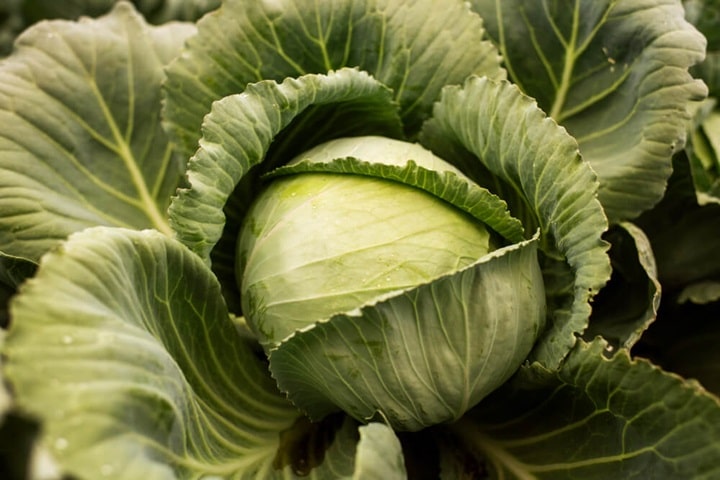
Both early and summer cabbage varieties can be planted in June. Transplant seedlings 40–50 cm apart into rich soil. Keep well watered and weedfree. Harvest heads when firm and fullsized, typically eight to ten weeks after planting.
4. Carrot
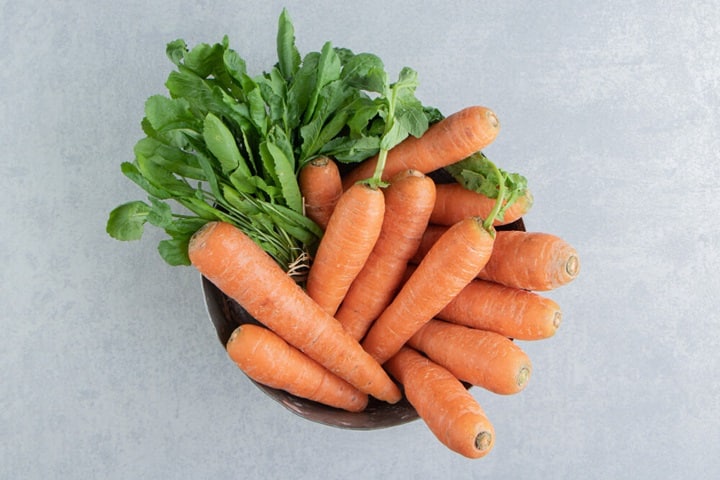
Directsow carrot seeds thinly in drills 1 cm deep, spacing rows 20 cm apart. Thin seedlings to 5 cm when true leaves appear. Varieties such as ‘Imperator’ or ‘Nantes’ suit June sowing. Harvest when roots reach desired girth.
5. Cauliflower
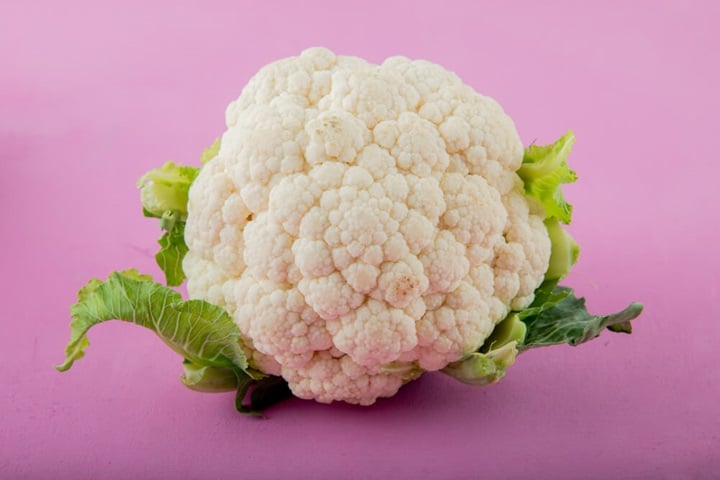
Late cabbage relatives, cauliflowers benefit from a June planting for autumn curds. Transplant sturdy seedlings 50 cm apart into soil enriched with compost. Keep evenly moist to prevent buttoning and blanch heads as they form for the whitest curds.
6. Spring Onions
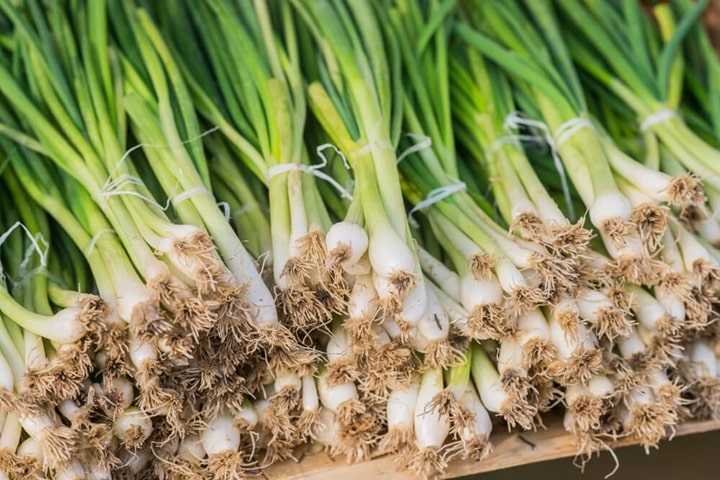
A versatile allium, spring onions can be sown in drills 1cm deep, spaced 10cm apart. Sow successive sowings every fortnight through June for a continuous supply. Thin seedlings to 5cm apart when 5cm tall, using the thinnings in salads. Crops are ready within eight to ten weeks.
7. Florence Fennel
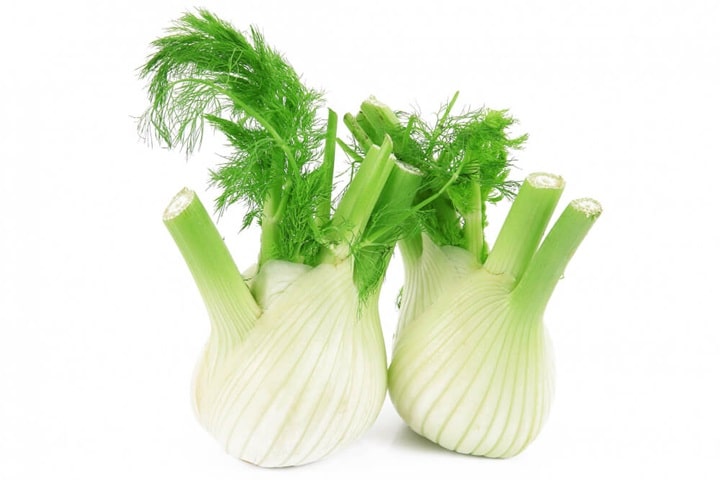
Florence fennel develops swollen, crisp bulbs at the soil surface. Sow seeds 1cm deep in June, and thin to 25cm between plants. To prevent woody stems, ensure consistent moisture and a sunny position. Harvest bulbs once they reach tennis-ball size, slicing thickly for salads or braised dishes.
8. Peas
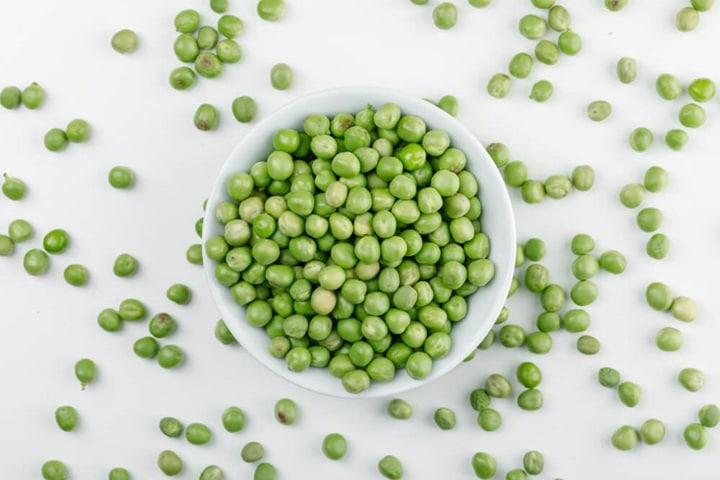
Though traditionally sown in spring, second sowings of peas—particularly early-maturing and mangetout types—can succeed in June given cool microclimates or afternoon shade. Support vines with netting or pea sticks immediately. Harvest pods at their plumpest for sweet, tender peas.
9. Courgettes
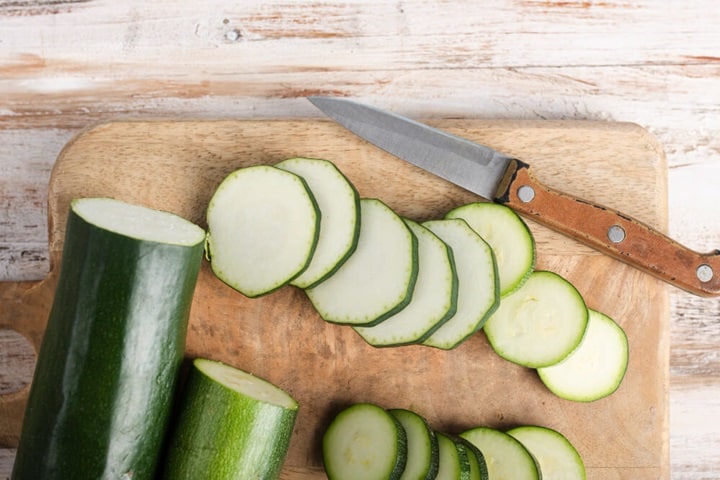
Courgettes respond to warm soil and plenty of light. Sow in modules under cover in early June or direct in fertile ground once risk of frost has passed. Space plants generously—45cm–60cm apart—and mulch to retain moisture. Harvest young fruits at 10–15cm for the best flavour and to encourage continuous cropping.
10. Beetroots
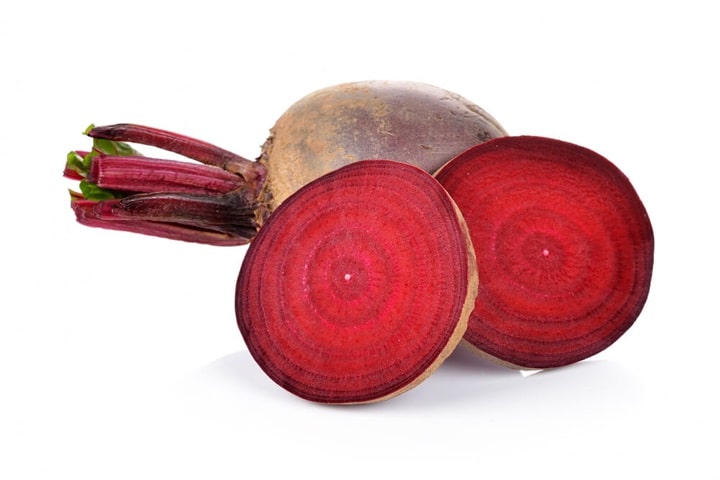
Beetroot thrives in cooler soils and can be sown in June for a late-summer harvest. Sow seeds 2cm deep in well-drained, fertile soil, thinning seedlings to 8–10cm apart. Keep the soil moist and weed-free, and harvest roots when they reach golf-ball to egg size, washing and storing them in a cool, dark place for winter use.
11. Kohlrabi
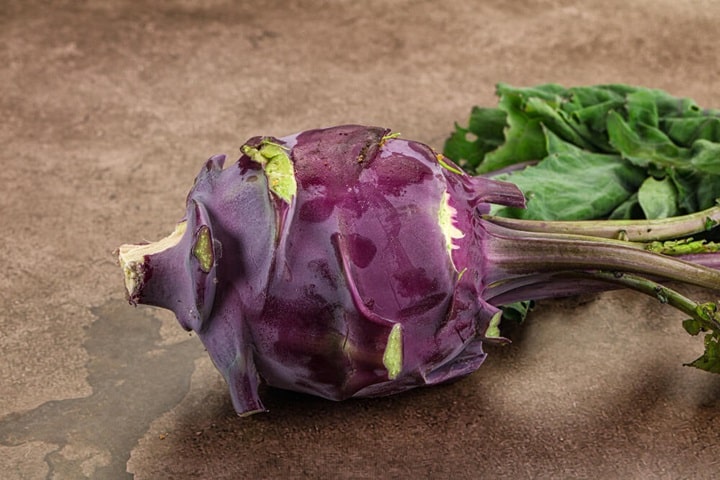
Unique for its swollen stem bulb, kohlrabi thrives in June sowings. Sow in modules or direct, 2 cm deep. Transplant or thin to 25 cm. Harvest bulbs at 5–7 cm for the sweetest flavour.
12. Lettuce
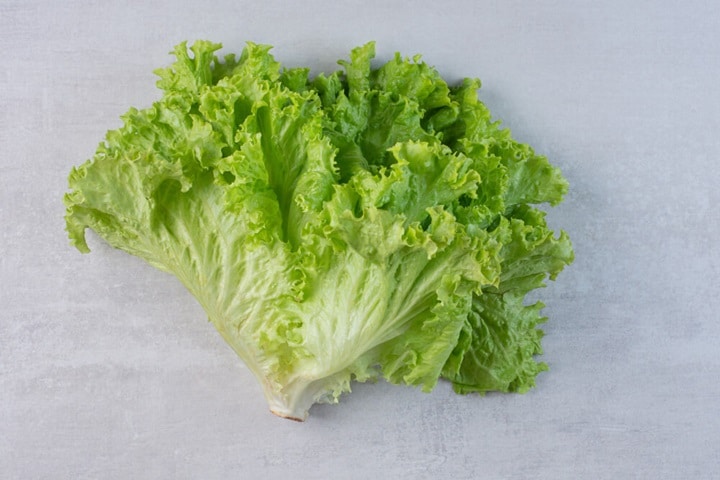
Cut-and-come-again lettuce mixes can be sown every fortnight. Sow surface-sown in sterilised compost or outdoors in shade. Thin to 20 cm or leave loosely thinned leaves to grow on.
13. Radish
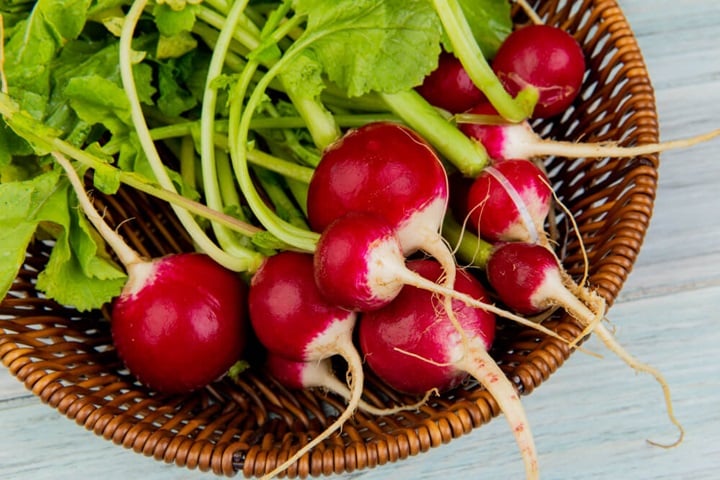
The quickest of crops: radish can be sown every two weeks for a steady supply. Sow 1cm deep, thin to 5cm. Harvest in just 3–4 weeks at golf-ball size for the juiciest roots.
14. Daikon
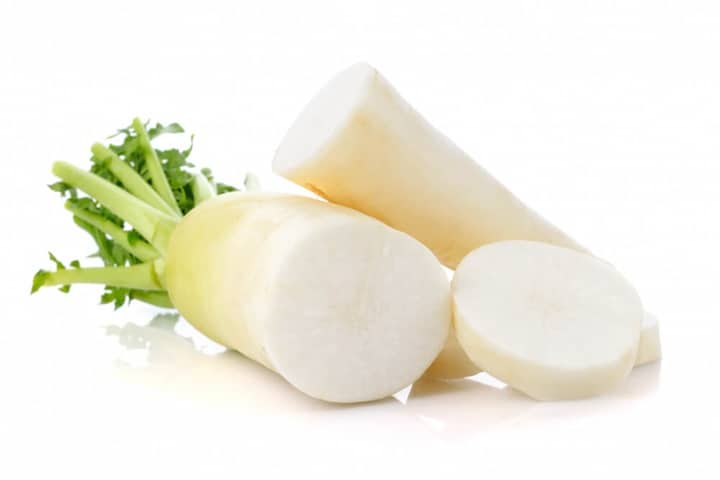
This large winter radish is surprisingly quick. Sow seeds 1 cm deep in loose, freedraining soil. Thin to 15 cm apart. Harvest roots before the first frosts; they store well in damp sand.
15. Rocket
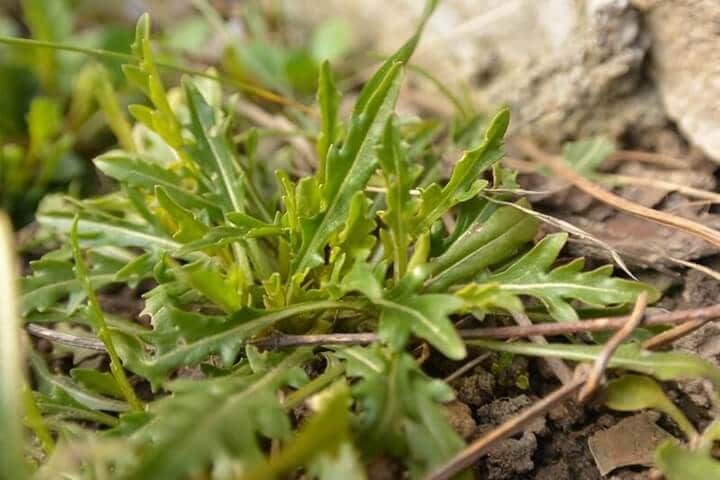
Peppery and perennial, rocket loves June sowing. Scatter seed thinly on the soil surface, press lightly and keep moist. Cut young leaves from four weeks onwards; plants will regrow for multiple harvests.
Flowers to Sow in June
Fresh bursts of colour from home-sown flowers can enliven borders, pots and window boxes. Here are five native British species ideally sown in June:
Common Poppy (Papaver rhoeas)
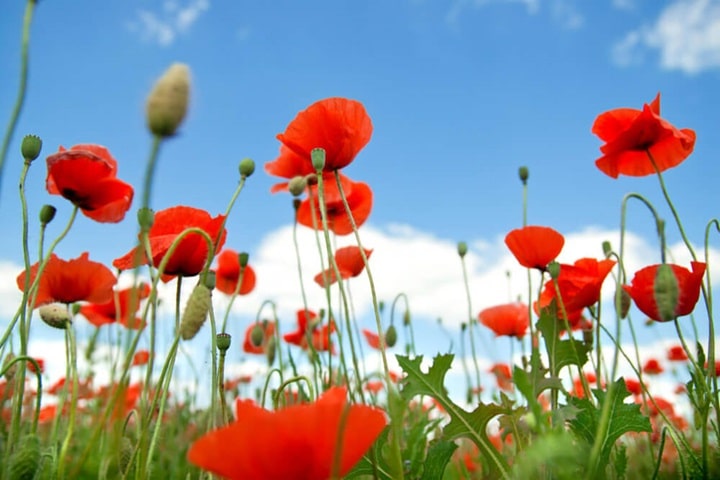
Sow in bare soil. Poppies prefer lean, well-drained ground—simply scatter erratically and press lightly. Flowers appear in six to eight weeks, painting borders with scarlet brilliance.
Field Scabious (Knautia arvensis)
A magnet for pollinators, scabious thrives in sunny, dry spots. Sow seed thinly on open ground, barely covering. Sturdy stems bear lilac-pink pincushion blooms from July through September.
Cornflower (Centaurea cyanus)
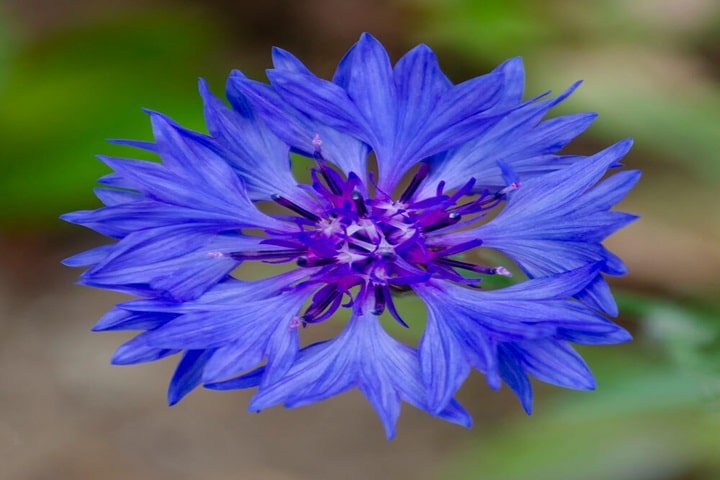
Once common in grain fields, cornflowers reward June sowings with sky-blue blooms. Sow directly in well-drained soil; avoid rich compost to prevent floppy stems.
Oxeye Daisy (Leucanthemum vulgare)
The cheerful daisy is easy from seed; scatter on prepared soil, then stand back as pure-white blooms dot meadows, borders and cottage gardens.
Wild Marjoram (Origanum vulgare)
Both culinary and ornamental, wild marjoram can be grown for its delicate pink flowers and aromatic leaves. Sow in modules or directly, thinning to 20cm. Flowers attract bees and hoverflies from midsummer.
Red Campion (Silene dioica)
A charming native biennial, red campion flourishes in partial shade. Sow thinly on the soil surface and press in lightly. Expect bright pink blooms that welcome pollinators from June through September.
Ragged Robin (Lychnis flos-cuculi)
Preferring damper spots, ragged robin bears starry, pink petals with a ragged edge. Sow in moist, neutral soils; seedlings will appear in a couple of weeks, with delicate blossoms adorning wet meadows and pond margins.
Trees and Shrubs to Plant in June
While winter or early spring is often seen as the key planting season for woody specimens, early summer can also work as a planting time as long as plants are well-watered during establishment. Though you will not be able to obtain bare root trees or shrubs at this time of year, more costly plants in pots are often available.
Crops to Harvest in June
As new sowings go in, savour the earliest rewards of your spring efforts:
- Broad Beans: Harvest when pods are filled but seeds still tender.
- Rhubarb: Lift stalks, leaving at least one third intact to sustain the crown.
- Salad Leaves: Cut-and-come-again mixes provide continuous young leaves.
- Radishes: Quick to mature, these crisp roots can be pulled in as little as three weeks.
- Strawberries: Peak season for June-bearing varieties—pick daily to encourage more fruit.
Plant Maintenance Jobs for June
A little attention now yields dividends throughout summer:
- Mulch Borders and Beds: Apply a 5cm layer of organic mulch (compost, bark or well-rotted manure) to suppress weeds, regulate soil temperature and retain moisture.
- Feed Hungry Crops: Apply a balanced organic fertiliser or liquid seaweed feed to tomatoes, courgettes and flowering shrubs.
- Pinch Out Side Shoots: On cordon tomatoes, remove side shoots before they reach 5cm to focus energy on fruiting trusses.
- Stake and Support: Tie in tall delphiniums, sweet peas and have-a-go patio tomatoes before winds catch them.
- Routine Pest Checks: Inspect for aphids on new shoots, and combat slugs with beer traps or other organic, holistic options.
Other Garden Jobs to Do in June
Beyond sowing and maintenance, June is a month of broader garden chores:
- Pond Care: Thin out water lilies and blanket weed to preserve oxygen levels.
- Wildlife Pockets: Top up bird feeders, fill shallow dishes with fresh water, and leave a small patch of unmown grass for insects and amphibians.
- Border Tidying: Deadhead spent blooms on perennials like lupins and echinacea to prolong flowering.
- Lawns: Raise mower blades slightly in drought-prone areas to prevent stress; water early if necessary.
- Compost Management: Turn hot compost heaps to accelerate breakdown, and start a new, partially green, partially brown pile for the autumn.
FAQs
Is June too late to plant herbs?
Not at all. Many herbs—basil, coriander, dill and parsley—thrive when sown or potted in June. Sow in modules under cover for four weeks, then harden off. For perennial herbs such as thyme, rosemary and sage, planting in June allows roots to establish before winter.
Can I plant perennials in June?
Yes, provided soil moisture is maintained. Early summer planting gives perennials time to settle in before the height of summer or the onset of winter. Water regularly during dry spells and mulch well to conserve moisture.
Is June a good time to plant fruit?
June is ideal for potted fruit trees and soft fruit canes sold in containers. Plant raspberries, blueberries and currants now, keeping the root zone cool and moist. Bare-root fruit is best planted in winter, but container-grown specimens can be set out as soon as growth commences.
Sources
Thompson & Morgan. (2016) How to grow poppies in your garden. [online] Available at: https://www.thompson-morgan.com/how-to-grow-poppies-in-your-garden [accessed 20/05/2025]