

March is an exciting month for UK gardeners as the growing season truly begins to take shape. For those looking to establish a long-term, low-maintenance food source, planting perennial vegetables is a wise investment.
These plants return year after year, offering reliable harvests with less work than annuals. Whether you’re planting in open beds, raised gardens, or a polytunnel, March is an excellent time to establish a variety of perennial vegetables. In this article, you will discover what to plant in march, with the 30 best perennial vegetables that you can add for thriving results by the time it comes to their harvest period. Unsure when is harvest season?
30 Best Perennial Vegetables to Plant in March
Perennial vegetables are an excellent choice for any gardener looking to reduce the need for annual planting and maintenance while enjoying fresh produce year after year.
Many perennials are hardy, resilient, and require minimal care once established. March, as the start of the growing season, provides the perfect opportunity to plant new perennials and ensure they have the best possible start. Below is a selection of some of the best perennial vegetables to plant this month:
1. Asparagus (Asparagus officinalis)
A classic perennial vegetable, asparagus requires patience but rewards growers with spears every spring. Plant crowns in well-drained soil in a sunny location. Raised beds and polytunnels can help provide warmth and protect young plants from late frosts. It is essential to keep the planting area weed-free to avoid competition for nutrients. Once established, asparagus beds can remain productive for 20 years or more.
2. Rhubarb (Rheum rhabarbarum)
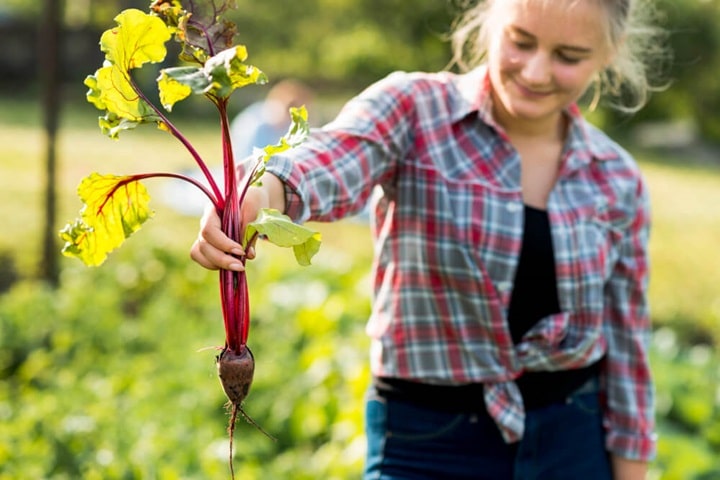
One of the earliest harvestable vegetables, rhubarb thrives in well-draining, nutrient-rich soil. March is a great time to plant dormant crowns, ensuring they establish strong roots before summer growth begins. Rhubarb benefits from a layer of mulch to retain moisture and suppress weeds.
3. Globe Artichokes (Cynara scolymus)
A striking plant that doubles as an ornamental, globe artichokes can be planted from root divisions or young plants in March. They prefer a sunny spot and well-drained soil, with mulch to protect them from spring frosts. These plants can produce for several years if properly maintained.
4. Sea Kale (Crambe maritima)
An underappreciated perennial vegetable, sea kale can be planted in March either from seeds or root cuttings. It thrives in sandy, free-draining soils and benefits from early-season cloches or a polytunnel for faster establishment. Its tender shoots can be blanched for a sweeter flavour.
5. Good King Henry (Blitum bonus-henricus)
An excellent alternative to spinach, Good King Henry is a hardy green that provides nutritious leaves year after year. Sow seeds directly in March or plant young transplants in rich, moist soil. It requires minimal care once established and provides edible shoots, leaves, and flower buds.
6. Welsh Onions (Allium fistulosum)
These perennial onions are a fantastic choice for adding mild onion flavour to dishes. Plant divisions or seeds in March to establish clumps that will provide edible greens for many years. They require minimal care and can be divided regularly to increase yield.
7. Sorrel (Rumex acetosa)
This tangy, lemony-flavoured leaf vegetable is one of the first to emerge in spring. Sow sorrel seeds or transplant divisions into beds or containers in March, ensuring moist, fertile soil for the best results. It is an excellent cut-and-come-again green.
8. Lovage (Levisticum officinale)
A strong-flavoured herb with edible stems and leaves, lovage is a great perennial addition to herb and vegetable gardens. It prefers moist soil and benefits from early planting in March to establish strong growth before summer.
9. Egyptian Walking Onions (Allium × proliferum)
These unique onions propagate themselves by producing top sets. Planting divisions in March ensures a steady supply of green shoots throughout the year.
10. Chives (Allium schoenoprasum)
A versatile perennial, chives are easy to grow and can be planted as divisions or seeds in March. They thrive in pots, garden beds, and even within a polytunnel for an early harvest.
11. Nine Star Perennial Broccoli (Brassica oleracea var. botrytis)
A unique cauliflower-like perennial, Nine Star Broccoli produces creamy white florets year after year. It thrives in nutrient-rich, well-draining soil and benefits from regular harvesting to encourage continuous production.
12. Skirret (Sium sisarum)
A forgotten root vegetable, skirret produces sweet, tender roots that can be harvested each year. It thrives in moist, fertile soil and can be planted from divisions or seeds in March.
13. Daubenton’s Kale (Brassica oleracea var. ramosa)
A hardy, cut-and-come-again perennial kale, Daubenton’s kale does not produce seeds but instead spreads through cuttings. It provides nutritious greens throughout the year and is an excellent choice for UK gardens.
14. Oca (Oxalis tuberosa)
Oca is a perennial root vegetable producing small, nutty-flavoured tubers. It is best started in March, especially in a polytunnel, to give it a head start before summer growth.
15. Salsify (Tragopogon porrifolius)
A perennial root vegetable with a delicate, oyster-like flavour, salsify can be sown in March. It prefers well-drained soil and is tolerant of a variety of conditions.
16. Yacon (Smallanthus sonchifolius)
This South American perennial root vegetable thrives in UK gardens when given a polytunnel or sheltered site. It produces crisp, sweet tubers that are ready for harvest in autumn.
17. Hablitzia (Hablitzia tamnoides)
Also known as Caucasian spinach, hablitzia is a climbing perennial green that thrives in partial shade. It can be planted in March to establish strong growth before summer.
18. Chinese Artichokes (Stachys affinis)
A small tuber-producing perennial, Chinese artichokes are planted in March to establish for an autumn harvest. They are resilient and spread easily in well-drained soil.
19. Wild Garlic (Allium ursinum)
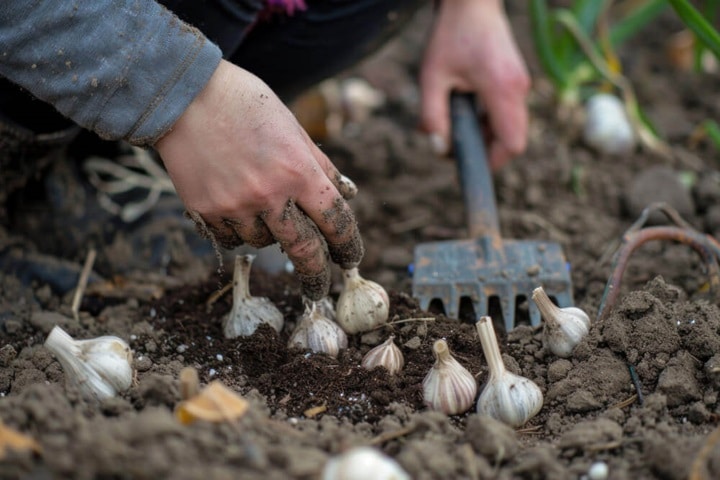
A fantastic addition to a woodland or shaded garden, wild garlic thrives when planted in March. Its leaves and flowers provide a delicious, mild garlic flavour for culinary use.
20. Horseradish (Armoracia rusticana)
A strong-flavoured root vegetable, horseradish is best planted in March to establish deep roots before winter. It thrives in a variety of soils and spreads easily if not contained.
21. Daylilies (Hemerocallis spp.)
Daylilies are hardy perennials known for their vibrant, trumpet-shaped flowers. They are low-maintenance and bloom prolifically during the summer. Their tuberous roots are edible, and their flowers are sometimes used in salads or stir-fries.
22. Jerusalem Artichokes (Helianthus tuberosus)
Also known as sunchokes, these are the tuberous roots of a sunflower species. They have a sweet, nutty flavor and can be eaten raw, roasted, or in soups. They’re rich in inulin, a prebiotic fiber, making them beneficial for digestion.
23. Perennial Leeks (Allium ampeloprasum var. porrum)
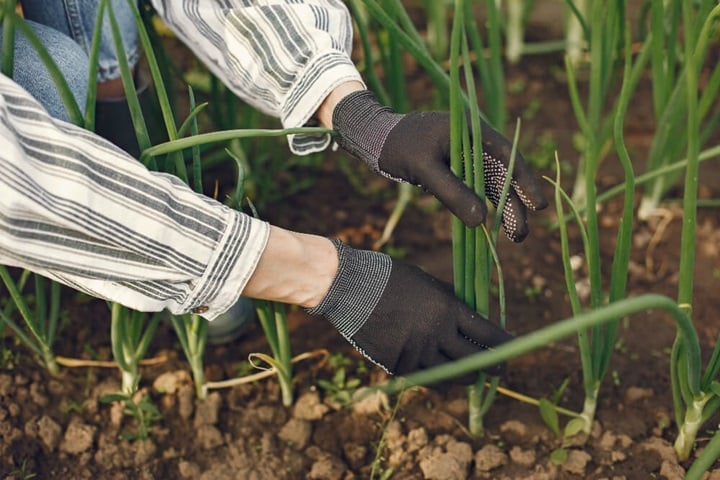
Perennial leeks are a long-lasting variety of leeks that can be harvested year after year. Their mild, onion-like flavour adds depth to soups, salads, and other dishes. They’re easier to grow than annual leeks and thrive in most climates.
24. Ramps (Allium tricoccum)
Ramps, also called wild leeks, are an early spring vegetable with a strong onion-garlic flavor. Both their leaves and bulbs are edible and often used in cooking for their aromatic, bold taste in soups, salads, and as seasoning.
25. Tree Collards (Brassica oleracea var. acephala)
Tree collards are a hardy, evergreen variety of collard greens that grow in tree-like form. They produce large, nutritious leaves year-round, making them a sustainable and healthy addition to the garden.
26. Mountain Spinach (Atriplex hortensis var. rubra)
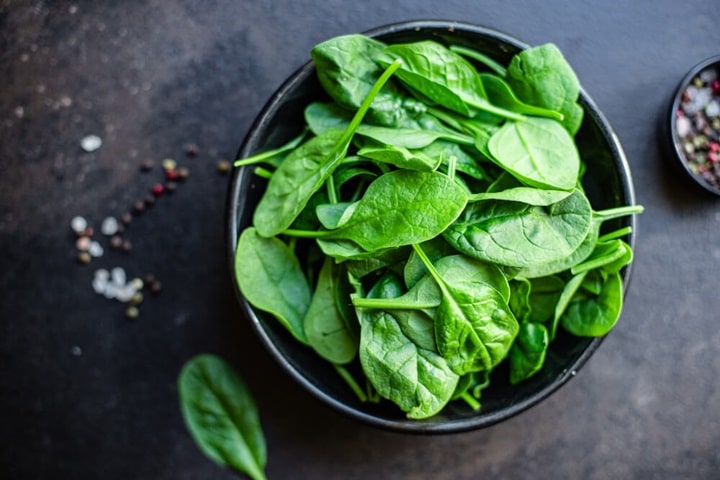
Mountain spinach, or red orach, is a colourful leafy green plant with a spinach-like taste. It thrives in hot, dry climates and can be eaten raw in salads or cooked in a variety of dishes for a tangy, slightly earthy flavour.
27. Dandelion Greens (Taraxacum officinale)
Dandelion greens are the edible leaves of the common dandelion. Known for their slightly bitter flavor, they are often used in salads, teas, or cooked as greens. They are packed with nutrients, including vitamins A, C, and K.
28. Caucasian Vining Spinach (Hablitzia tamnoides)
This perennial vine grows tender, spinach-like leaves that are ideal for eating raw or cooked. It is fast-growing and hardy, producing greens from early spring through fall. The flavor is mild, similar to spinach, with a slight earthiness.
29. Chicory (Cichorium intybus)
Chicory is a hardy plant often grown for its bitter-tasting leaves and edible roots. The leaves are used in salads, while the roasted roots can be brewed into a coffee substitute. Chicory is also known for its medicinal properties, especially in supporting digestion.
30. Perennial Rocket (Diplotaxis tenuifolia)
Perennial rocket, also known as wild arugula, is a fast-growing herb with peppery, tangy leaves. It thrives in mild climates and provides a continuous harvest of flavourful leaves throughout the year, perfect for salads and garnishes.
What To Sow and Plant – And Other Garden Jobs To Do In March
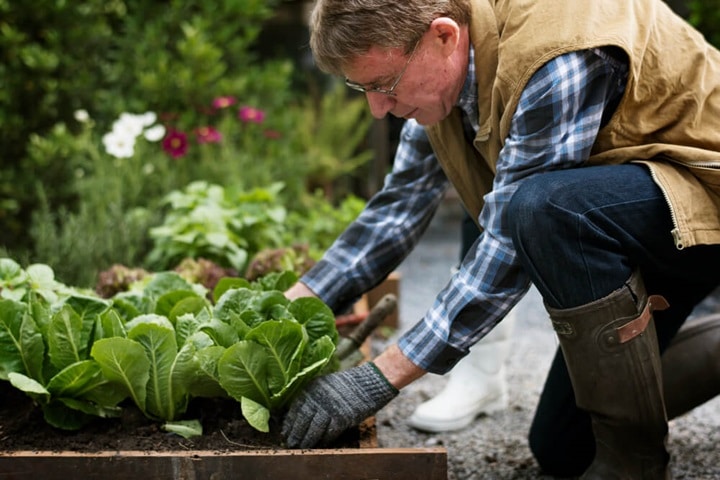
- Prepare Garden Beds: Clear weeds, add compost, and improve drainage where necessary.
- Mulch Perennial Vegetables: This helps retain moisture and suppress weeds.
- Start Seeds Indoors or in a Polytunnel: Some perennial vegetables, such as sea kale and Good King Henry, benefit from an early start.
- Divide Established Plants: If you already have perennial vegetables, March is a great time to divide and replant them.
- Protect Tender Perennials: Use fleece or cloches to shield young plants from unexpected cold snaps.
What Vegetables To Harvest In March
Many established perennial vegetables begin to produce in early spring. You may be able to enjoy:
- Rhubarb: Forced rhubarb is particularly sweet this time of year.
- Perennial Kale (Daubenton’s Kale): A cut-and-come-again vegetable that provides leaves even in winter.
- Chives and Welsh Onions: These perennials often start producing fresh greens as early as March.
- Sorrel: Young sorrel leaves offer a fresh, citrusy flavour.
- Sea Kale Shoots: If blanched, they make an excellent spring delicacy.
Vegetable Plant Maintenance In March
- Weed and Mulch: Keeping beds weed-free and well-mulched ensures healthy plant growth.
- Feed Established Plants: A top dressing of compost or an organic feed supports early growth.
- Watering: Ensure perennials are hydrated, particularly if March is dry.
- Support Tall Plants: Early staking prevents wind damage later in the season.
Things To Do This Month
- Set Up a Polytunnel: This extends the growing season for many perennial vegetables.
- Check for Pests: Slugs and aphids become active in spring.
- Prune Herbaceous Perennials: Remove dead growth to encourage new shoots.
- Prepare for Spring Planting: Organise seeds and make planting plans for the year ahead.
FAQs
u003cstrongu003eIs March a good time to start perennial vegetables in all climates? u003c/strongu003e
March is ideal for most UK regions, but colder areas should wait until later in the month or use a polytunnel to provide warmth.
u003cstrongu003eWhat care should be given to perennial vegetables started in March?u003c/strongu003e
Ensure good soil preparation, regular watering, and protection from late frosts. Mulching helps retain moisture and suppress weeds.
u003cstrongu003eCan I transplant perennial vegetables in March?u003c/strongu003e
Yes, March is an excellent time to transplant dormant or semi-dormant perennials. This allows them to establish before summer growth.
u003cstrongu003eWhat perennial vegetables are best for shady gardens and can be started in March? u003c/strongu003e
u003cstrongu003eGood King Henryu003c/strongu003e thrives in partial shade.u003cbru003eu003cstrongu003eSorrelu003c/strongu003e tolerates shade and damp conditions.u003cbru003eu003cstrongu003eRhubarbu003c/strongu003e grows well in dappled shade.u003cbru003eu003cstrongu003eWelsh Onionsu003c/strongu003e and u003cstrongu003eChivesu003c/strongu003e adapt well to lower light levels.
Sources
The Beginner’s Garden. (2021) 10 Onion Growing Problems and How to Prevent Them. [online] Available at: https://journeywithjill.net/gardening/2021/05/18/10-onion-growing-problems-and-how-to-prevent-them/