

Manure has long been used in agriculture and gardening as a natural fertiliser to enrich soil, promote plant growth, and improve the overall health of the garden.
Among the various types of manure available, horse manure is particularly popular due to its availability and cost-effectiveness. However, while horse manure can offer numerous benefits to many plants, it does not suit every variety.
In this article, we will delve into the role of horse manure as a fertiliser, its nutrient composition, what plants dont like horse manure, including vegetables, flowers, and shrubs that do not thrive when exposed to this type of manure.
What is Manure?
Manure refers to the waste produced by farm animals, such as cows, chickens, pigs, and horses, that is used as a fertiliser. It typically consists of animal droppings mixed with bedding materials, like straw or sawdust, which help absorb moisture. Manure is rich in organic matter and contains essential nutrients, such as nitrogen, phosphorus, and potassium, which are beneficial for soil fertility.
In addition to animal manure, there are two other important forms of organic fertiliser commonly referred to as manure: compost and green manure.
- Compost is the result of organic material, such as food scraps, plant material, and other biodegradable matter, being broken down by microorganisms. It is an excellent soil conditioner, adding nutrients and improving soil structure. Composting not only recycles organic waste but also creates a nutrient-rich material that can be safely used as fertiliser once it is fully decomposed.
- Green manure refers to the practice of growing certain plants, such as legumes, that are then tilled back into the soil to enrich it. These plants are typically grown specifically for the purpose of being turned under to add organic matter and nitrogen to the soil. Green manure is a sustainable practice that helps improve soil health and can act as a natural fertiliser, often used in crop rotation systems to avoid soil depletion.
While manure in all its forms is an eco-friendly alternative to chemical fertilisers, not all types are suitable for every plant. The nutrient composition and properties of manure depend largely on the source, including the animal, the animal’s diet, and how the manure is processed or composted before application to the soil.
Understanding Horse Manure as Fertiliser
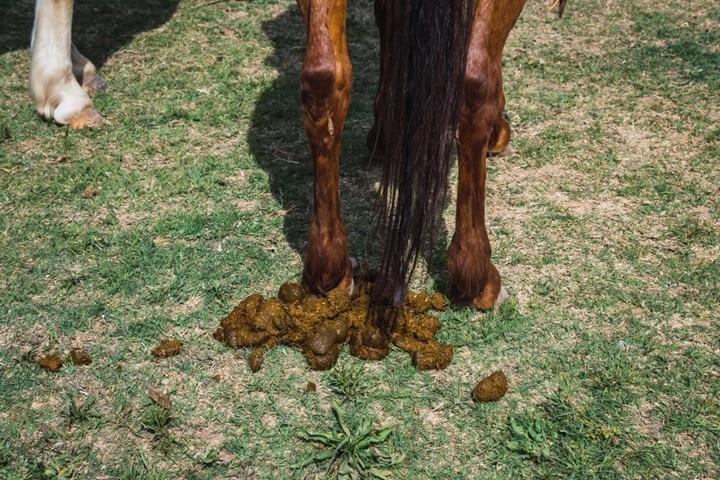
Horse manure, specifically, is often considered one of the most accessible and affordable types of manure. It is typically produced in large quantities by horse stables, making it a readily available resource for gardeners and farmers. However, before applying it to the garden, it is essential to understand its characteristics as a fertiliser.
Horse manure is known for being high in organic material but relatively low in nutrients compared to other types of manure, such as cow or chicken manure. Despite this, it is still an excellent soil amendment because of its ability to improve soil texture, aeration, and water-holding capacity. This makes it especially useful for heavy clay soils or sandy soils that need additional organic matter to retain moisture.
Nutrient Composition and Benefits
The nutrient composition of horse manure varies depending on the horse’s diet and the bedding material used. Generally, horse manure contains three key nutrients in varying amounts: nitrogen, phosphorus, and potassium (often referred to as NPK).
In addition to these primary nutrients, horse manure also contains micronutrients and trace elements such as calcium, magnesium, and sulfur, which contribute to overall soil health. When properly composted, horse manure can be an excellent source of slow-release nutrients for plants.
The typical NPK (Nitrogen, Phosphorus, and Potassium) values of horse manure can vary depending on factors like the horse’s diet, bedding materials used, and whether the manure is fresh or composted. However, on average, the NPK values for horse manure are:
- Nitrogen (N): 0.5–0.7%
- Phosphorus (P): 0.2–0.3%
- Potassium (K): 0.6–0.8%
These values are considered relatively low compared to other manures, such as chicken or cow manure, but horse manure still provides valuable organic matter that can improve soil structure and support plant growth.
Potential Risks to Plants
Despite its numerous benefits, horse manure can also pose some risks to plants, especially when used incorrectly. Fresh horse manure, in particular, can be too strong and may “burn” plants due to its high ammonia content. Ammonia is a byproduct of nitrogen breakdown and can harm delicate plants when applied in excess or before composting.
Another potential risk is the presence of weed seeds in horse manure. If the bedding material used for horses has not been thoroughly composted, it can carry seeds that can later sprout in your garden, leading to an unwelcome invasion of weeds. Composting horse manure effectively helps to break down weed seeds, making it safer to use in the garden.
Some plants may also be sensitive to certain types of manure, especially when it is not fully decomposed. So gardeners must be cautious when applying fresh or inadequately composted manure.
Horse Manure Composting Process
Composting horse manure is a crucial step in making it safe for use in the garden. The composting process helps to break down harmful pathogens, kill weed seeds, and reduce the ammonia content that can harm plants. Proper composting also ensures that the nutrients in the manure are more accessible to plants.
To compost horse manure, follow these basic steps:
- Pile the manure – Create a manure pile, ideally at least 3 feet high and 3 feet wide, to ensure proper heat generation. The pile should be turned regularly to maintain aeration.
- Maintain moisture – Keep the pile moist, but not too wet. It should have the consistency of a wrung-out sponge.
- Allow time for decomposition – Composting can take several months to a year, depending on temperature and moisture levels. The finished compost should be dark, crumbly, and have a pleasant earthy smell.
- Check for maturity – The compost should be fully decomposed before use in the garden. Immature compost may still contain high levels of nitrogen and other elements that could harm plants.
What Plants Dont Like Horse Manure?
While horse manure can be a wonderful addition to most gardens, some plants are particularly sensitive to its properties. These plants may suffer from the excess nitrogen, ammonia, or high pH levels found in fresh or improperly composted manure.
Vegetables Such as Root Vegetables
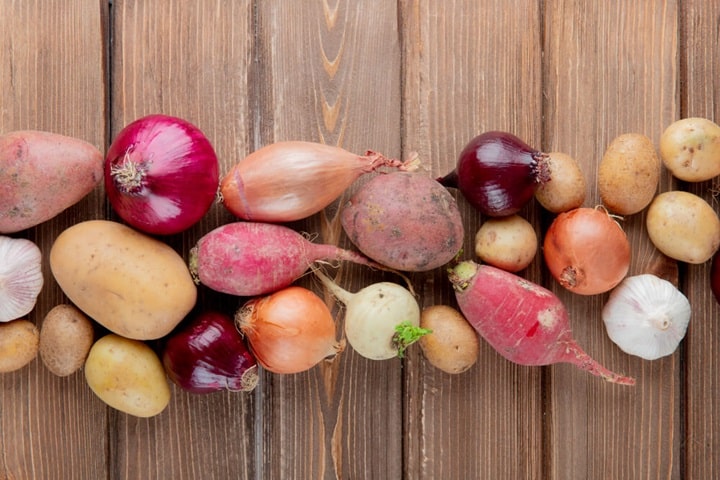
Root vegetables, such as carrots, beets, turnips, and potatoes, tend to be more sensitive to manure, especially fresh horse manure. The excess nitrogen in fresh manure can cause these vegetables to grow excessively large or deformed, as they will focus their energy on leafy growth rather than producing healthy roots.
The high nitrogen content can also lead to “leggy” plants with weak, sprawling stems that do not produce the desired root crops. For best results with root vegetables, use composted manure, and apply it sparingly to avoid over-fertilising.
What vegetables don’t like manure?
Certain vegetables are particularly averse to horse manure, including:
- Carrots – Fresh manure can stunt the growth of carrots and cause them to split or become deformed.
- Potatoes – Fresh manure can cause potatoes to develop scab, a disease that affects the skin of the tuber.
- Onions and Garlic – These plants can be sensitive to excess nitrogen, which may result in weak growth and poor bulb development.
Fruit-Bearing Plants and Flowers
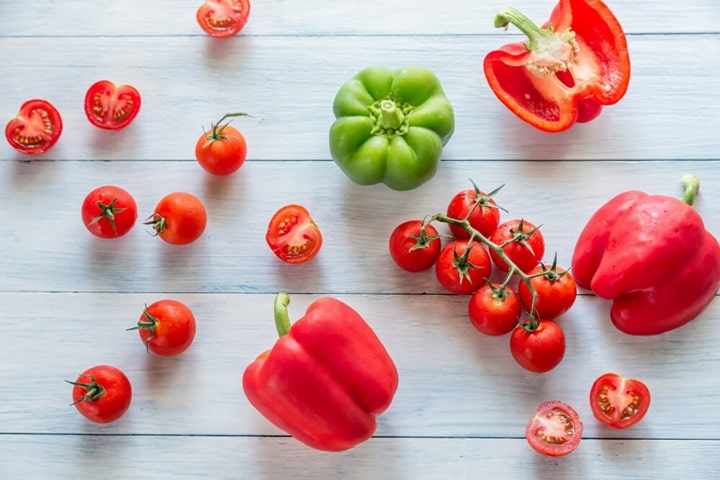
Fruit-bearing plants and flowers may also be negatively affected by horse manure if not composted properly. Fresh manure can stimulate excessive leaf growth at the expense of fruit production. For instance, tomatoes and peppers may produce lots of leaves but few fruits if exposed to high levels of nitrogen from fresh manure.
Similarly, flowers like roses, dahlias, and chrysanthemums may have an overabundance of foliage but fewer blooms when exposed to fresh manure. Therefore, when applying manure to these plants, it is best to use well-composted manure and avoid applying it directly around the plant’s root zone.
What flowers don’t like manure?
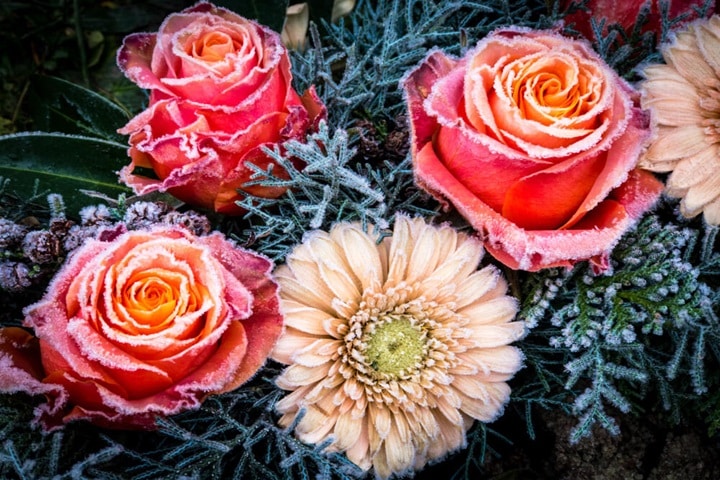
Flowers that can be sensitive to manure include:
- Roses – Fresh manure can encourage excessive leaf growth, leading to fewer flowers.
- Dahlias – Dahlias may suffer from leggy growth and poor flowering when over-fertilised with manure.
- Tulips and Daffodils – These bulbs can be sensitive to high levels of nitrogen, which may hinder blooming.
Acid-Loving Shrubs
Certain acid-loving shrubs, such as azaleas, rhododendrons, and blueberries, do not benefit from the application of horse manure. These plants thrive in acidic soils, and horse manure can raise the pH of the soil, making it less suitable for acid-loving species.
For example, blueberries require highly acidic soil with a pH between 4.5 and 5.5. Horse manure, with its tendency to make the soil more alkaline, can interfere with the ability of these plants to absorb nutrients properly. If you want to fertilise acid-loving plants, it is better to use composted manure or other specialised fertilisers designed for these plants.
The Application of Horse Manure
Composting horse manure properly is key to making it safe for most plants. By doing so, gardeners can enjoy the benefits of nutrient-rich, organic matter without harming their plants. As with any fertiliser, moderation and proper application are essential to achieving a thriving, healthy garden.
Correct Timing and Methods
Horse manure is an excellent source of organic material, improving soil structure, water retention, and providing essential nutrients for plant growth. However, improper application or using fresh manure can lead to potential issues for sensitive plants.
The best time to apply well-composted horse manure is in the fall or early spring. In the fall, manure can be added to the garden beds to allow it to break down over the winter, enriching the soil in time for planting in the spring. Applying it in early spring, after the soil has thawed but before planting, ensures that the nutrients are available when plants begin their growing season.
Fresh manure should be avoided during the growing season unless it has been composted for at least six months. Fresh manure is too strong and can “burn” plants, particularly delicate seedlings. It is best to apply fresh manure in the off-season and allow it to break down fully before planting.
For flower beds, vegetable gardens, or shrubs, a thin layer of composted horse manure (about 1-2 inches) can be spread evenly over the soil. Work it into the top few inches of soil using a garden fork or tiller to ensure it mixes well with the existing soil and improves its texture.
You can use well-composted horse manure as a mulch around trees, shrubs, and vegetable plants. This helps retain moisture, suppress weeds, and gradually enrich the soil with nutrients over time.
For heavier, clay-like soils, horse manure can be mixed deeply into the soil to enhance drainage, aeration, and nutrient content. Adding it to sandy soils also improves moisture retention.
Preventing Common Issues
While horse manure is an excellent soil amendment, improper handling or excessive use can cause several problems:
Over-application of horse manure, especially fresh manure, can lead to excessive nitrogen in the soil. This can result in excessive leafy growth at the expense of flowers or fruits, and in some cases, it can “burn” plant roots or foliage.
Always apply manure in moderation, using composted manure whenever possible. If using fresh manure, it should be applied in the fall and allowed to decompose before spring planting.
Fresh horse manure contains high levels of ammonia, which can damage plant roots and foliage. It can also cause a strong, unpleasant smell in the garden. Compost the manure before applying it to plants. This will allow the ammonia to dissipate, making it safer for plant use.
Horse manure can contain weed seeds, which may survive the composting process and sprout in your garden.Make sure to thoroughly compost the manure to heat it to temperatures high enough to kill any weed seeds. Regular turning of the compost pile also helps achieve uniform decomposition.
Fresh horse manure can alter the pH of the soil, making it more alkaline, which may not be ideal for acid-loving plants. Test the soil’s pH regularly, especially if you are growing plants that prefer acidic soil, and amend the pH as needed using specific treatments like sulphur or acid-forming fertilisers.
FAQs
Why do some plants not like horse manure?
Horse manure can be too “hot” or rich in nitrogen if not properly composted, leading to root burn and excessive growth at the expense of flowers or fruit. It also may contain weed seeds and pathogens if not fully decomposed.
Can any plants benefit from horse manure?
Yes, well-rotted horse manure can be beneficial to many plants, particularly heavy feeders like tomatoes, corn, and squash, as well as ornamental plants and shrubs that require nutrient-rich soil.
What plants are particularly sensitive to horse manure?
Plants that prefer low-nutrient or more acidic soils tend to be sensitive to horse manure. These include azaleas, rhododendrons, blueberries, and heathers.
Sources
CDS Equine. (2022) The 7 Benefits of Horse Manure. [online] Available at: https://cdsequine.com/blog/the-7-benefits-of-horse-manure [accessed 15/01/2025]