

Strawberries are one of the most popular crops to grow. Whether you grow them in a polytunnel or elsewhere in your garden, you will usually find them a relatively easy and low-maintenance crop to grow. However, there are of course plenty of strawberry plant problems that can arise, including problems with placement, pests and disease.
In this guide, we’ll explore common strawberry plant problems, from poor placement to pests and diseases, and provide sustainable and organic solutions to help you protect your crop.
Strawberry Stressors
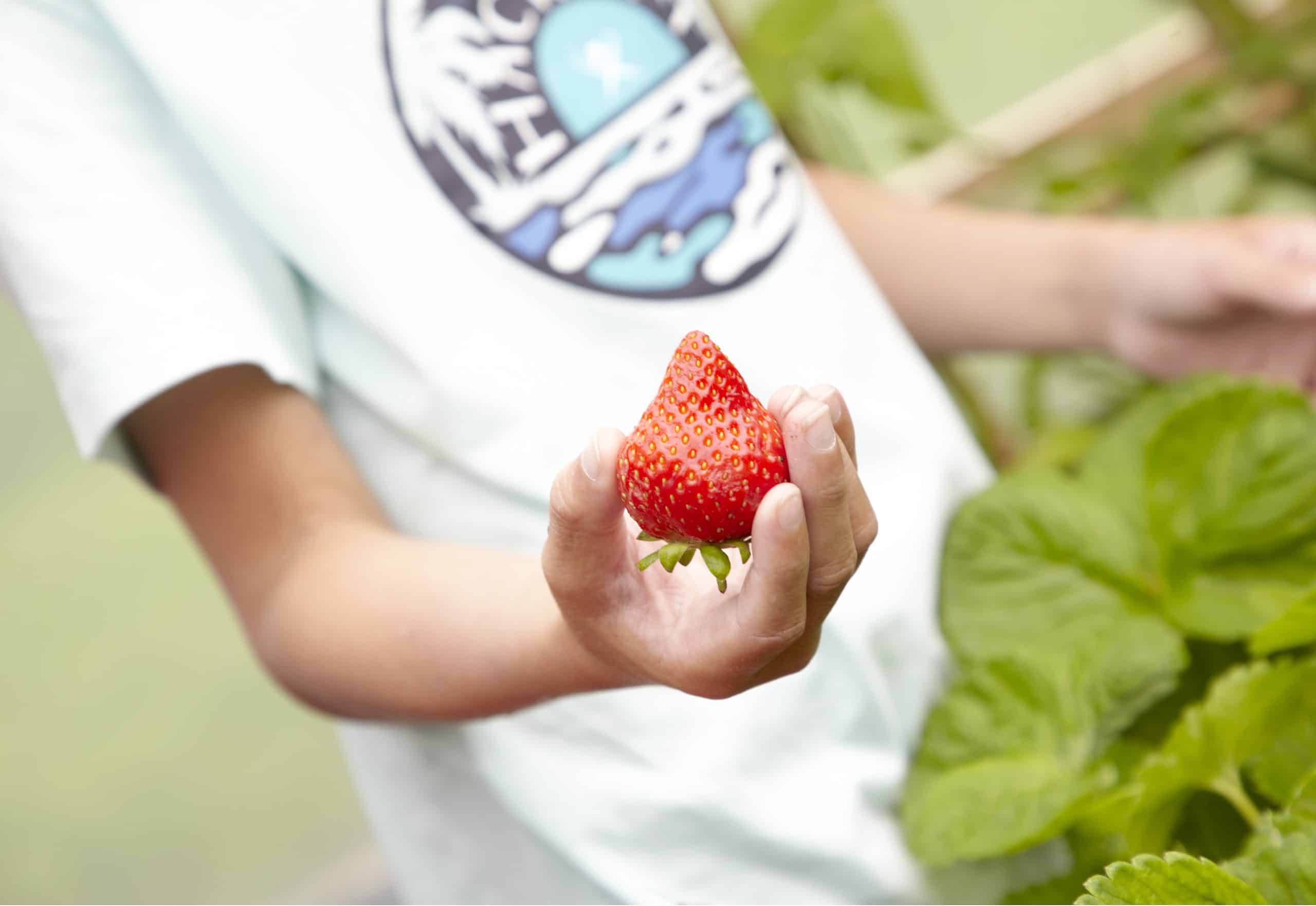
Strawberries, like all plants, can become stressed due to poor growing conditions, lack of nutrients, or environmental factors. Stress can make plants more susceptible to pests and diseases and reduce fruit yield and quality. Fortunately, you can mitigate stressors by providing your strawberry plants with the right care and environment.
Key Factors for Healthy Strawberry Plants:
- Light: Strawberries thrive in full sun, needing at least 6 hours of direct sunlight daily.
- Soil: Well-drained, nutrient-rich soil is essential. Organic matter, such as compost, can boost fertility.
- Watering: While strawberries need regular watering, overwatering can lead to root rot and disease. Aim to keep the soil consistently moist, but not waterlogged.
- Spacing: Adequate spacing between plants promotes air circulation, reducing the risk of fungal infections.
- Mulching: Organic mulches like straw help retain moisture, suppress weeds, and protect fruit from direct contact with the soil.
In order to avoid these stressors as much as possible, it is important to pay attention to what strawberry plants need, to grow them in the right location, and to provide them with the right care.
Common Problems With Fruits
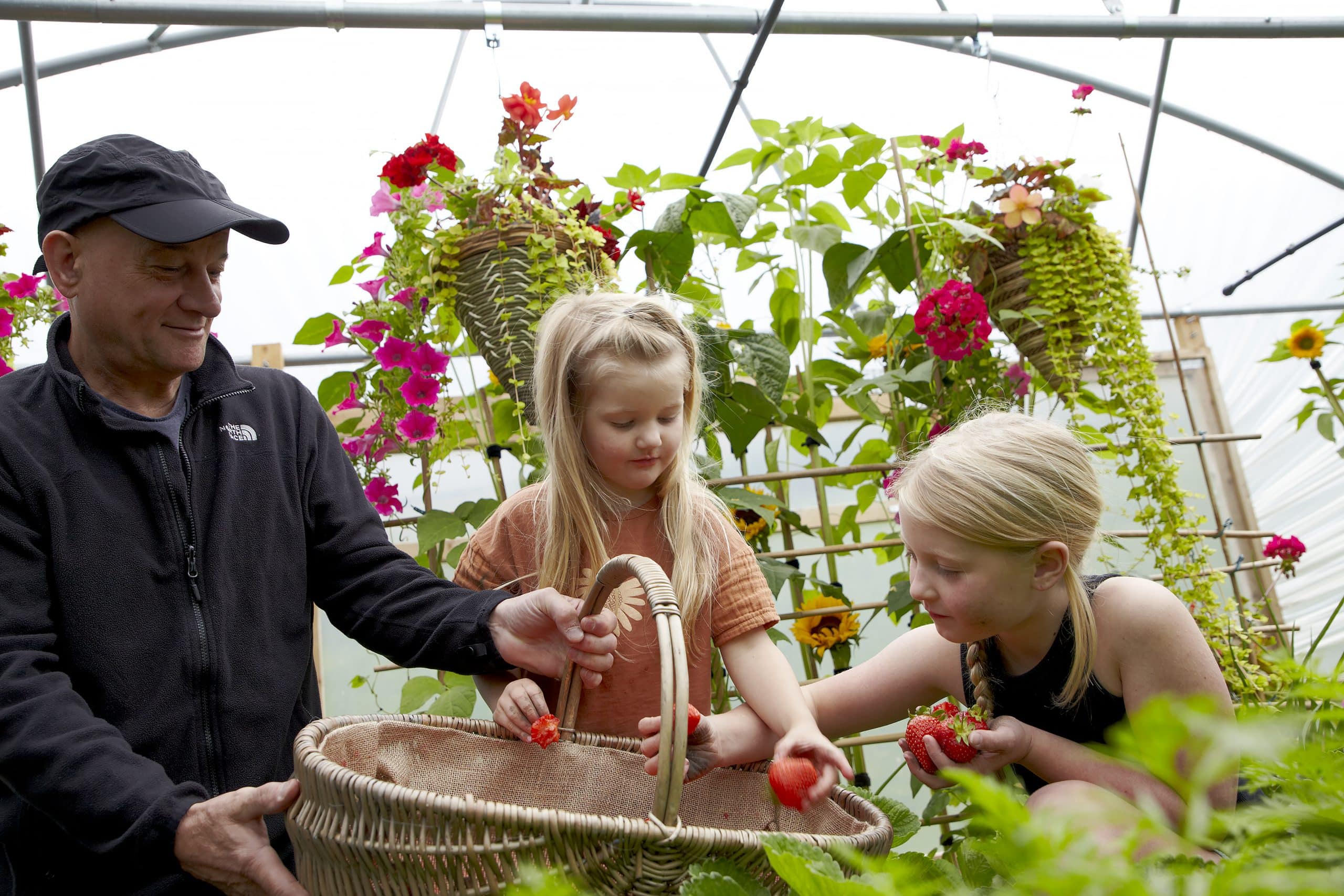
Despite providing optimal care, gardeners often encounter issues with strawberry plants. Below are some common problems that affect the development of fruit, alongside sustainable solutions to fix them.
1. Flowers, But No Fruit
Sometimes, strawberry plants produce flowers, but fail to develop fruit. This is a frustrating issue, particularly for new gardeners.
Causes:
- Lack of pollination
- Poor soil quality
- Nutrient deficiencies
- Unfavourable weather conditions
- Pest damage
There may also be some confusion over which type of strawberries you have, and when precisely they should set fruit.
2. Lack of Pollination
Without proper pollination, flowers will not set fruit. Pollinators like bees and other insects play a crucial role in this process. In polythene tunnels, where access to pollinators might be limited, this can become a bigger issue.
The Fix
- Encourage pollinators: Planting companion plants such as borage, lavender, or marigolds nearby will attract bees and other pollinators.
- Hand pollination: If natural pollinators are scarce, you can hand-pollinate by gently brushing the flower’s centre with a soft paintbrush to transfer pollen.
- Ventilation: In polytunnels, ensure proper ventilation to allow pollinators to access the plants. Open doors and vents during the day.
3. Poor Soil or Nutrient Deficiency
Strawberries are heavy feeders and require nutrient-rich soil to thrive. Poor soil quality or depleted nutrients can result in weak plants, few flowers, and poor fruit production.
The Fix
- Soil testing: Test your soil’s pH and nutrient levels before planting. Strawberries prefer slightly acidic soil (pH 5.5-6.5).
- Organic fertilizers: Add organic matter like compost, well-rotted manure, or an organic fertilizer high in potassium and phosphorus (such as wood ash or bone meal) to improve soil health.
- Mulching: Mulch with organic materials like straw or leaf mould to conserve moisture and add nutrients as it decomposes.
4. Weather
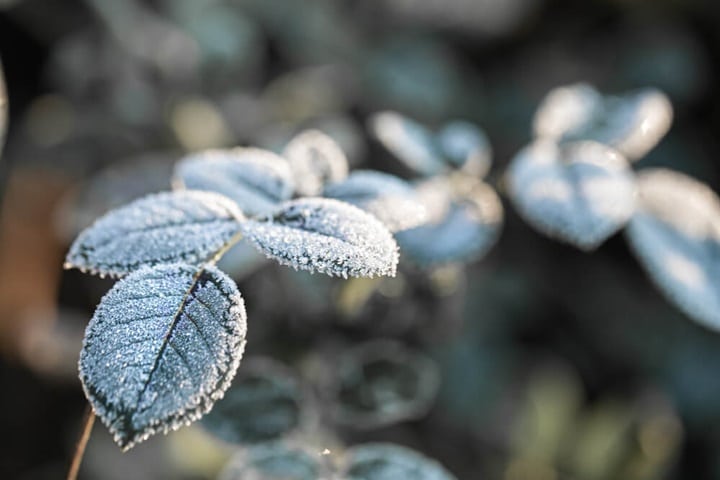
Weather conditions can have a major impact on strawberry fruit production. Late frosts, excessive rain, or drought can stress plants and reduce fruit yield.
The Fix
- Frost protection: In early spring, protect flowers from frost by covering the plants with horticultural fleece or cloches overnight.
- Polytunnel irrigation: Use a drip irrigation system or soaker hose to provide consistent moisture during dry periods.
- Shade: In periods of extreme heat, use shade cloth or position plants where they receive some afternoon shade to prevent heat stress.
5. Pests
Pests are a common cause of strawberry plant stress and fruit damage. Left unchecked, they can quickly decimate a crop.
The Fix
- Companion planting: Plant companions like onions, garlic, or marigolds to deter pests. Nasturtiums are particularly effective at attracting aphids away from strawberries.
- Barriers: Use physical barriers like a large fruit cage, row covers or bird nets to protect your strawberries from birds and larger pests.
- Organic pest control: Use organic pest control methods, such as homemade garlic sprays, to control insect populations but only as an absolute last resort. Avoid chemical pesticides to protect beneficial insects like pollinators. Take steps through planting and habitat creation to attract predators to your garden to keep pest numbers down.
Strawberry Variety
Selecting the right variety of strawberry for your garden’s climate and growing conditions is essential. Some varieties perform better in cooler climates, while others are more tolerant of drought or heat.
If strawberries do not fruit you may sometimes just have to wait. There are different varieties of strawberry and the flowering and fruiting period for some is relatively short and may be over for the year at the time of purchase. Make sure you know which you have, and when fruit can be expected.
Common Strawberry Plant Diseases
Diseases can spread rapidly through strawberry plants, often leading to reduced yields and poor fruit quality. Identifying diseases early and taking preventative measures is key to maintaining a healthy, productive strawberry patch.
1. Angular Leaf Spot
This causes water-soaked lesions on leaves that eventually turn brown and dry out. This bacterial disease is common in cool, wet conditions.
- Remove and destroy infected plant material to prevent the spread.
- Improve air circulation by spacing plants properly and avoiding overhead watering.
- Use copper-based organic fungicides to treat affected plants.
2. Anthracnose
This causes dark, sunken spots on leaves, stems, and fruit. In humid conditions, the spots may develop orange or pink fungal spores.
- Mulch around plants to prevent soil splash, which spreads the fungus.
- Rotate crops and avoid planting strawberries in areas where anthracnose has been an issue.
- Apply organic fungicides like those containing sulphur or copper.
3. Leather Rot – Causes Brown Spots on Strawberries
Brown, leathery patches on strawberries, often caused by wet soil conditions.
- Mulch heavily to keep fruit off damp soil.
- Improve drainage in the growing area and avoid overwatering.
- Remove and destroy affected fruit.
4. Powdery Mildew
White, powdery growth develops on leaves, stems, and fruit, leading to stunted growth and poor fruit development.
- Encourage air circulation by spacing plants and pruning excess foliage.
- Water plants at the base, avoiding wetting the leaves.
- Spray plants with a homemade solution of water and baking soda (1 tablespoon of baking soda per litre of water) to prevent and control the spread of mildew.
Pests in Strawberry
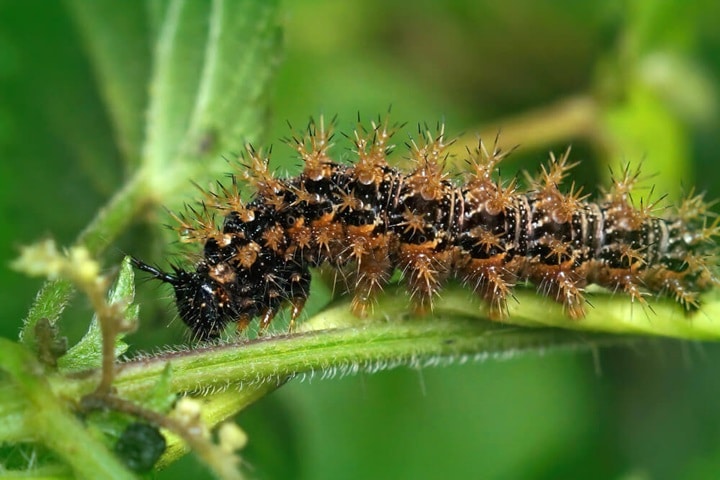
Several pests can plague strawberry plants, causing damage to leaves, stems, and fruit. Organic pest management focuses on prevention and maintaining a balanced ecosystem in the garden.
- Aphids
You may see curling or yellowing leaves, as aphids feed on plant sap and excrete sticky honeydew.
- Attract beneficial insects like ladybirds and lacewings by planting companion plants like dill or fennel.
- Spray affected plants with a mixture of water and a few drops of organic insecticidal soap.
- Fruit flies
Tiny flies can be seen around ripening fruit, they can lead to soft, rotten spots on strawberries.
- Set up vinegar traps around the plants by filling small containers with apple cider vinegar and covering with plastic wrap (poke small holes in the top).
- Harvest fruit as soon as it ripens to prevent fruit flies from laying eggs.
- Caterpillars
Holes in leaves and damage to fruit may be seen as caterpillars feed.
- Handpick caterpillars off the plants and remove them from the garden.
- Use biological controls like Bacillus thuringiensis (Bt), a naturally occurring bacterium that targets caterpillars but is safe for other wildlife.
- Plant bugs
Deformed or misshapen fruit can be caused by capsid bugs or similar feeding on developing berries.
- Plant traps like alfalfa or clover to attract plant bugs away from strawberries.
- Encourage beneficial predators like ground beetles and parasitic wasps by providing diverse habitats in your garden.
- Spider mites
Fine webbing on the undersides of leaves and stippled, yellow leaves are signs of a spider mite infestation.
- Spray plants with water to knock off mites and keep humidity high, which deters mite populations.
- Introduce predatory mites to control infestations naturally.
- Other pest mites
Distorted growth and stippled leaves can also be caused by various other species of mites.
- Use insecticidal soap sprays to control mite populations if absolutely necessary.
- Encourage predatory insects that feed on mites.
- Thrips
Silvery streaks on leaves and damaged fruit can be caused by these tiny, fast-moving insects.
- Attract natural predators like ladybirds and lacewings.
- Use sticky traps to catch adult thrips.
- Beetles
Chewed leaves and damaged fruit can be caused by beetle larvae or adults.
- Hand pick beetles from plants.
- Use beneficial nematodes in the soil to target beetle larvae.
- Whitefly
Tiny white flies may be visible on the undersides of leaves, causing yellowing and wilting.
- Use yellow sticky traps to catch adult whiteflies.
- Attract predatory creatures.
- Spray plants with insecticidal soap or neem oil to reduce populations if absolutely necessary.
FAQs
u003cstrongu003eWhat does a sick strawberry plant look like?u2028u003c/strongu003e
A sick strawberry plant may display yellowing leaves, wilting, stunted growth, or spots on the leaves and fruit. Pests or diseases often cause these symptoms but rule out environmental issues first.
u003cstrongu003eWhat does an overwatered strawberry plant look like?u2028u003c/strongu003e
An overwatered strawberry plant may show signs of yellowing leaves, root rot, and poor growth. The soil may also be soggy or u003ca href=u0022https://www.firsttunnels.co.uk/blog/waterlogged-garden/u0022u003ewaterloggedu003c/au003e.
u003cstrongu003eWhat is the disease on the leaves of strawberries?u003c/strongu003e
Common diseases affecting strawberry leaves include powdery mildew, angular leaf spot, and anthracnose, all of which cause spots, discolouration, and leaf curling.
u003cstrongu003eWhat are the challenges of strawberries?u003c/strongu003e
Strawberries can be affected by poor soil quality, pests, diseases, lack of pollination, and weather conditions. However, with proper care and organic growing methods, these challenges can be overcome.
u003cstrongu003eHow to stop pests from eating strawberries?u003c/strongu003e
To stop pests from eating strawberries, use organic methods such as companion planting, handpicking, natural predators, and organic pest controls like garlic oil or insecticidal soap. Barriers like row covers can also help protect your crop.
Sources
Wiginton, K., (2023) Health Benefits of Strawberries. WebMD. [online] Available at: https://www.webmd.com/diet/health-benefits-strawberry [accessed 28/10/2024]