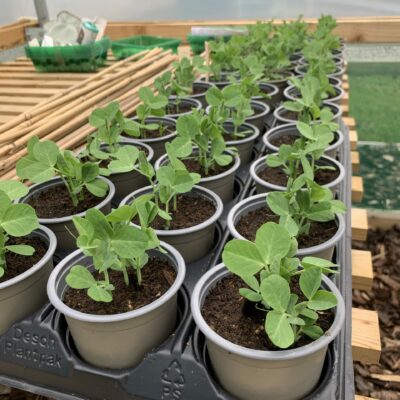


Whether you’re new to growing your own food or simply expanding your gardening practice, a polytunnel can be an immensely rewarding investment. No matter your gardening skill, these polytunnel growing for beginners tips will undoubtedly provide beneficial insights.
Offering shelter from the elements, a longer growing season, and a more controlled environment, a polytunnel opens the door to new growing possibilities—especially here in the often unpredictable UK climate.
But what are the best crops to grow when you’re just starting out? Which plants will thrive in your new covered space, and what should you consider before planting?
In this guide, we’ll explore the benefits and challenges of polytunnel growing, how to select suitable crops, and offer a beginner-friendly list of ten easy-to-grow vegetables—with a few herbs and extras to round things off.
Growing Crops Outside in the UK
UK growers know that cultivating crops in open ground can be a gamble. Our weather—while often temperate—is rarely consistent. Heavy rainfall, strong winds, spring frosts and a lack of mid-season warmth all combine to make outdoor growing unpredictable at best.
Many staple crops will, of course, still do well in a traditional garden. But the margin for error is smaller, and the seasons can feel painfully short—especially in northern regions or exposed rural areas.
For those wishing to increase self-sufficiency, grow more tender plants, or simply enjoy more consistent harvests, a polytunnel can be transformative.
Why Grow Vegetables In A Polytunnel?
A polytunnel offers far more than just protection from rain or wind. It creates a microclimate, increasing the temperature, trapping moisture, and providing shelter from extremes. It enables you to extend the growing season at both ends, sowing earlier in spring and harvesting later into autumn—or even through winter with the right crops and care.
It’s not just about growing more food. It’s also about creating a productive space that’s more manageable, more resilient, and more enjoyable to spend time in.
Advantages Of Growing Vegetables In a Polytunnel
- Extended Growing Season: Sow and harvest over a longer period, making the most of each plant’s potential.
- Better Crop Protection: Shield tender crops from wind, pests, frost, and heavy rain.
- Greater Variety: Grow Mediterranean or warm-climate crops like tomatoes, peppers, or aubergines more successfully.
- More Control: Manage moisture levels, airflow, and heat more precisely than you can outdoors.
- Increased Yield: The controlled environment often means quicker growth and more reliable harvests.
- Supports Organic Methods: With better pest control and climate regulation, it’s easier to grow without chemical inputs.
Challenges Of Growing Vegetables In a Polytunnel
Of course, growing in a polytunnel also comes with its own set of considerations:
- Temperature Regulation: On sunny days, even in winter, polytunnels can overheat. Ventilation is essential.
- Water Management: Unlike outdoor beds, polytunnels don’t benefit from rainfall. Irrigation must be planned.
- Pest Concentration: Slugs, aphids and whitefly can still be a problem—sometimes more so in an enclosed space.
- Crop Rotation: Limited space makes it harder to rotate crops, which can increase the risk of soil-borne diseases.
- Maintenance: Polytunnel covers can degrade over time and may need patching or replacing every few years.
Despite these challenges, with some planning and observation, they are easily managed. In many ways, they’re part of what makes polytunnel gardening so engaging—it invites us to truly understand the systems we’re working with.
Choosing Polytunnel Crops
When choosing what to grow in your polytunnel, it helps to begin not just with the plants themselves, but with your purpose. Why are you growing? What do you hope to achieve with your polytunnel space?
Are you growing to feed your family, reduce your grocery bills, or simply reconnect with the rhythms of the land? Are you looking to grow year-round for your own self-sufficiency, or perhaps even explore the idea of selling produce—either informally at a gate stall or more formally as part of a small-scale market garden?
Each approach will shape what you grow—and how you grow it.
1. Grow What You Eat (and Enjoy)
If your primary goal is to eat more fresh, homegrown food, then start with crops you love to eat. There’s little point growing kilos of kohlrabi if no one in your household enjoys it. Focus on staples you regularly cook with—like tomatoes, lettuce, garlic, onions, and carrots—and then add in a few exciting extras for variety and interest.
Think also about how much of a crop you’ll actually use. A single courgette plant can feed a family if picked young and often. A dozen might overwhelm you in midsummer. Start modestly, and observe how each crop performs and fits into your kitchen routine.
2. Consider Your Climate and Site
Polytunnels can buffer the climate, but they don’t make it disappear. If you live in a cool, damp area of the UK, you may benefit more from growing Mediterranean crops like aubergines, peppers, and basil under cover. If you’re further south or in a relatively dry region, you might even manage heat-sensitive crops like melons with a little care.
Likewise, wind exposure, soil type, and water availability on your site will all influence what thrives and what struggles. Choose crops that suit your specific conditions, and design your layout accordingly—placing thirstier plants near irrigation lines and sun-loving ones in the warmest, brightest spots.
3. Match Your Crops to Your Available Time
Different crops require different levels of attention. Tomatoes, for instance, need regular tying in, side-shooting, and watering. Lettuces, by contrast, are quick, low-maintenance, and can be harvested again and again. If your time is limited, it’s better to focus on fewer crops, well grown, than to try and do everything at once.
Succession sowing—planting new batches of the same crop every few weeks—can help you make the most of your time without overwhelming you with glut or gaps.
4. Plan for Year-Round Production
One of the greatest benefits of a polytunnel is its ability to extend the season. So when choosing crops, don’t just focus on summer. Think about what can grow overwinter as well. Hardy salads, chard, kale, and overwintering onions or garlic can all keep your tunnel productive even when the garden sleeps.
You can also think in terms of rotational planting. For example, follow an early spring crop of spinach or radish with tomatoes or beans in summer, and then sow winter greens in autumn after those are cleared.
5. Thinking Commercially: Starting Small with Selling Produce
If you’re considering selling produce, your crop choices should be shaped by market demand, speed to harvest, and yield per square metre. Starting with a polytunnel allows you to grow high-value crops in a small space and extend your season—two essential components for profitable small-scale growing.
Ideal beginner-friendly commercial crops include:
- Salad leaves (mixed varieties for cut-and-come-again harvesting)
- Cherry tomatoes
- Cucumbers
- Spring onions
- Herbs (basil, parsley, coriander, chives)
- Spinach and baby chard
- Microgreens (quick-growing, high-value)
These are crops with short turnaround times, strong customer demand, and relatively low input requirements. You don’t need acres—just a well-managed 10ft or 20ft tunnel can produce impressive yields if planted intensively and succession-sown throughout the year.
When planning commercially, also consider:
- Ease of harvesting: Crops that are fiddly or time-consuming can reduce profitability.
- Post-harvest care: Think about how you’ll wash, package, and store produce.
- Local niche: What are others around you not growing? Could you fill that gap with a speciality lettuce mix, edible flowers, or heirloom tomatoes?
Start small, trial a few crops, and keep good records. With care and consistency, polytunnel growing can evolve into a meaningful and ethical side income—or even a full-time livelihood.
10 Vegetables To Grow In A Polytunnel for Beginners
1. Tomatoes
Perhaps the most popular polytunnel crop in the UK, tomatoes thrive in the warmth and shelter a tunnel provides. Choose cordon varieties for vertical growing to save space, and start them early indoors for transplanting once frost risk has passed. Regular watering and good airflow are essential to prevent blight or mildew.
2. Peppers & Chillies
These heat-lovers perform far better under cover than outdoors. Compact and decorative, they can be grown in containers, growbags, or raised beds. Peppers and chillies need consistent heat, so make the most of thermal mass or warm south-facing corners.
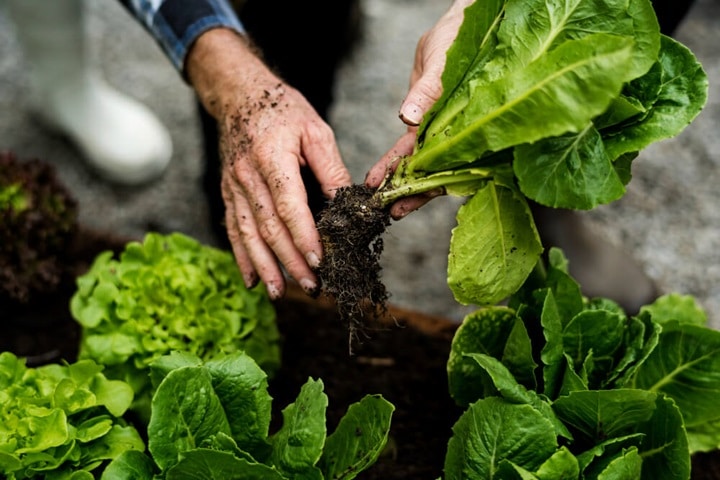
3. Lettuce
A great beginner crop, lettuces are quick to mature and can be grown year-round in a tunnel with succession sowing. Choose loose-leaf varieties for repeat harvests and grow them under taller crops as a living mulch.
4. Cabbage
Compact summer and autumn cabbages grow well in polytunnels and are less vulnerable to caterpillar damage. Keep an eye on humidity and allow adequate space between plants for airflow.
5. Broccoli
Calabrese types grow quickly under cover and benefit from the extra warmth in spring and autumn. Plant early or late for best results, and harvest before flower buds open.
6. Cauliflower
Cauliflowers can be fussy outdoors, but they’re far more predictable in a tunnel where temperature and moisture are controlled. Choose early or summer varieties and space well.
7. Carrots
While they grow perfectly well outside, carrots sown under cover in early spring can give you a fast, sweet harvest. Choose short-rooted or round varieties for shallow soil or containers, and keep the soil consistently moist to avoid splitting.
8. Courgettes
Given enough space and rich soil, courgette plants will yield prolifically in a polytunnel. Choose bush varieties to save space, and harvest young to encourage continued production.
9. Onions
Onions are adaptable and can be started under cover in modules in late winter or early spring. Sets can also be planted directly in the ground for an early harvest. Use interplanting with fast crops like radish to make best use of space.
10. Garlic
Plant garlic in autumn or early winter under cover and harvest early the following summer. The tunnel helps protect bulbs from rot in wet weather and may improve bulb size in cooler regions.
Adding Herbs & Other Crops
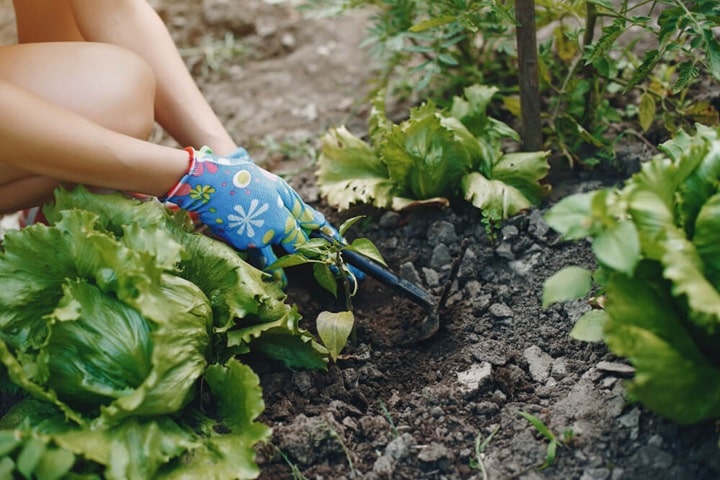
Herbs are a brilliant addition to any polytunnel. Not only do they bring scent and culinary flavour, but many also deter pests or attract pollinators.
- Basil thrives beside tomatoes and benefits from similar conditions.
- Parsley, chives, and coriander grow well in cooler corners.
- Thyme, oregano, and sage prefer drier, sunnier spots.
Other useful additions include:
- Radishes (quick to mature and great for interplanting)
- Spinach and chard (reliable leafy greens for most of the year)
- Strawberries (earlier cropping and fewer losses to slugs)
- Beans and peas (particularly dwarf varieties or those with vertical growth)
Once you get to grips with the basics of annual production, you can branch out and think outside the box when it comes to how and what to grow under cover. For example, you can think about growing perennial plants, for reliable harvests not just for a single season, but year after year. You can also evolve what you grow over time, making the most sustainable crop choices for our changing climate.
FAQs
Will My Crops Grow Bigger In A Polytunnel?
In many cases, yes. The sheltered, warmer environment inside a polytunnel provides ideal conditions for faster and sometimes more vigorous plant growth.
Heat-loving crops such as tomatoes, peppers, and courgettes often perform significantly better under cover than in open ground.
However, the key is balance—too much heat, poor airflow, or erratic watering can all lead to problems.
The goal isn’t necessarily size, but rather health, consistency, and quality—which a well-managed polytunnel can certainly support.
What Are The Temperature Differences In A Polytunnel?
A polytunnel can be several degrees warmer than the outside air, especially on sunny days—even in winter. This extra warmth is what allows for early sowing, extended harvests, and protection from frost.
However, it can also lead to overheating if not managed well. Ventilation is essential in summer, and shading or thermal mass can help stabilise extremes. At night, temperatures drop rapidly—so insulation, fleece, or cloches may still be needed in colder months.
What Should I Not Grow In A Polytunnel?
While most vegetables will do well under cover, there are a few crops that either don’t benefit significantly from the environment or may be better suited to the outdoors. These include:
Brussels sprouts and parsnips, which require cold exposure to develop flavour
Maincrop potatoes, which can take up a lot of space and may fare just as well outside
Sweetcorn, which relies on wind pollination and may struggle with airflow in a tunnel
Very large or deep-rooted fruit trees, which generally require more space and soil depth than a tunnel provides
Ultimately, it depends on your specific tunnel size, layout, and growing goals. But for most beginners, focusing on tender, compact, quick-growing vegetables will bring the most rewarding results.
Sources
Halliday, V., (2023) Four UK crops you might be eating in 2035. Sustainable Food Trust. [online] Available at: https://sustainablefoodtrust.org/news-views/four-uk-crops-you-might-be-eating-in-2035/