

Unfortunately, it seems that wildlife species are declining in our gardens. From the 30% decrease in the hedgehog population of the UK since 2002 (according to Hedgehog Street) to the ever-changing bird populations we spot in the Big Garden Birdwatch, British wildlife seems to be constantly hanging in the balance. The plight of wildlife in our garden is enough to remind us of the importance of planning a wildlife garden and maintaining it.
A wildlife garden is an environment a gardener creates specifically to provide a safe, sustainable place for wildlife to stay, whether this be the common worm or the rarely spotted nightingale. Read on how to find out how planning a wildlife garden can benefit you as well as visiting wildlife, tips on planning a wildlife garden to create a safe haven for all.
What’s the Problem?
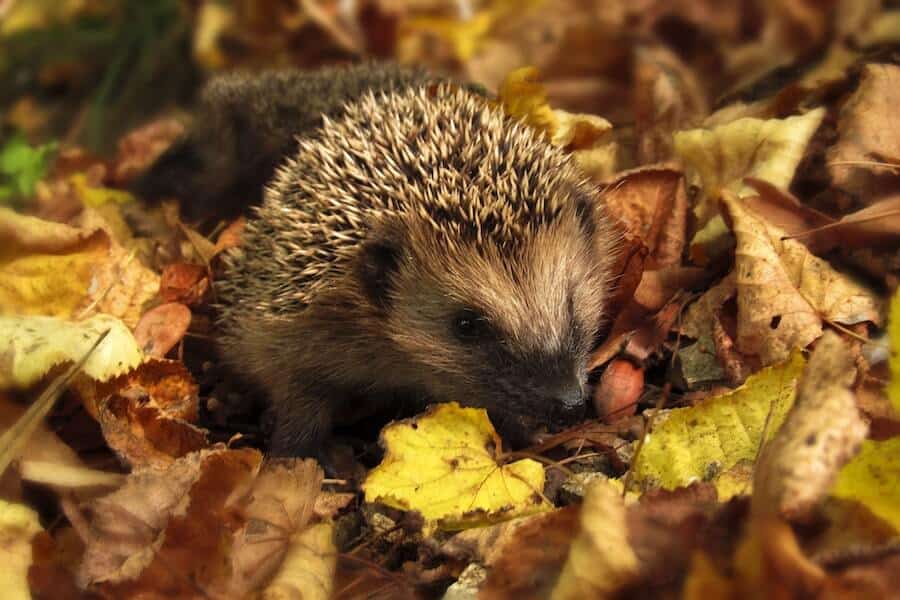
Although a 30% decrease in the hedgehog population may not seem like a big deal, these gardeners’ best friends are actually declining at the same rate as tigers globally. Unfortunately, the reasons behind this are not fully understood. But there are educated guesses from hedgehog experts:
- Fragmented habitat means that the poor hedgehog must travel over a mile to find food and a mate.
- The decline in suitable habitats in gardens and because of intensive farming are probably contributing to their decline too.
- An increase in badger numbers too could also be impacting on hedgehogs, as they are a staple part of the badger’s diet.
- Road deaths of hedgehogs will also impact on the population of this small mammal.
Hedgehogs are just one of the many garden creatures that are endangered by human activity. Bees, butterflies and many garden birds are also amongst those creatures that are under threat. Yet they are also amongst the creatures in a wildlife-friendly garden that can help us in our growing efforts.
Of course, these effects aren’t just harming the hedgehog population. Fragmentated or lost habitats, increased numbers of predators and human intervention are harming a range of British wildlife
Why Is Planning A Wildlife Garden Important?
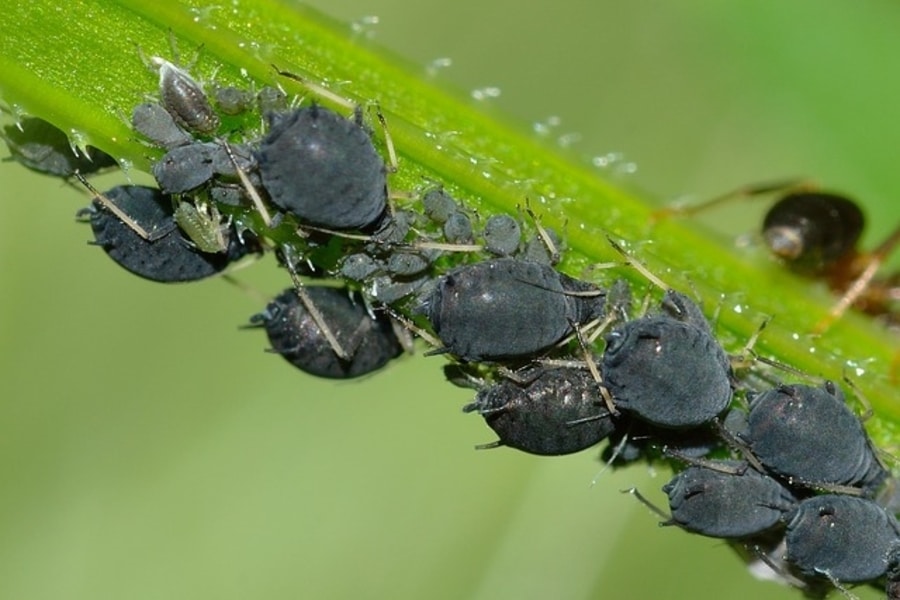
This month, as throughout the year, there could be a number of so-called ‘pest’ species that you have to deal with in your polytunnel or garden. Perhaps you have caterpillars eating your brassicas, aphids on your tomato plants or slugs and snails sneaking in and decimating your lettuces. Perhaps you have rodents munching your plants or seeds during the night, or wasps in your soft fruits… there are plenty of ways that we can get annoyed by the creatures with whom we may share our space. But while there are ways to garden organically while managing these pest species, it is also important to remember that we should also be celebrating wildlife in our polytunnels. Without the wildlife, we would not be able to garden as we do.
Read more on pesticides and pest control in your polytunnel
All too often, polytunnel gardeners can fall into the trap of thinking of the creatures that come into our polytunnels as pests – something to deal with and get rid of. This month, why not take the time to celebrate the wildlife that helps us in our gardens. We can begin by considering what wildlife does for us:
Celebrating Wildlife That Keeps Pest Numbers Down
Certain wildlife helps us keep pest species numbers within reasonable bounds in an organic garden. Wildlife generally adds to biodiversity, thus improving the overall resilience of a system. Encouraging a wide range of different wildlife species will help to keep the ecosystem in balance and this can help in making sure one species does not proliferate too much. Specific species will predate pest species and can be particularly beneficial in a polytunnel garden. Ladybirds and hoverflies, for example, will eat aphids and keep their numbers down.
Celebrating Wildlife That Pollinates Our Crops
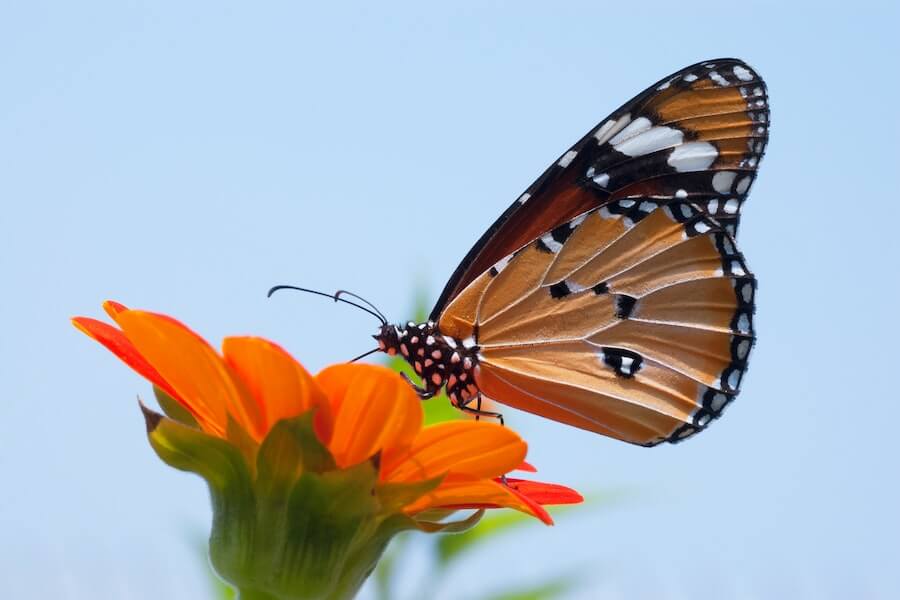
Wildlife such as bees and many other creatures help us to pollinate our food crops. Many insects are amongst the most important pollinators for polytunnel gardeners, as well as for other gardeners and farmers. Unfortunately, many species are endangered, which is why it is so important that we all understand and appreciate their importance before it is too late.
Celebrating Species That Help Keep Soil Healthy
Wildlife in our soil ecosystem helps keep the soil/ decomposition system functioning as it should. Bacteria, fungi and larger organisms such as earthworms all do their part in keeping the soil web working smoothly and effectively. Most wildlife will contribute waste to the soil, helping to keep nutrients cycling in a natural way. The soil is one of the most vitally important things in all organic gardening. Wildlife, whether we see it or not, helps us keep it functioning as it should.
There are many other things that wildlife will do in the broader ecosystem. Wildlife can, for example, help eat certain plants to keep weeds down, or naturally prune overgrown areas. When we start to really look around us, we can see how much wildlife really does for us, and to appreciate the natural world in all its complexity.
So, when you are gardening in your polytunnel this month, take some time to look around you and solute your wildlife helpers. Are you celebrating wildlife in your polytunnel? Or getting bogged down in pest problems?
Planning A Wildlife Garden
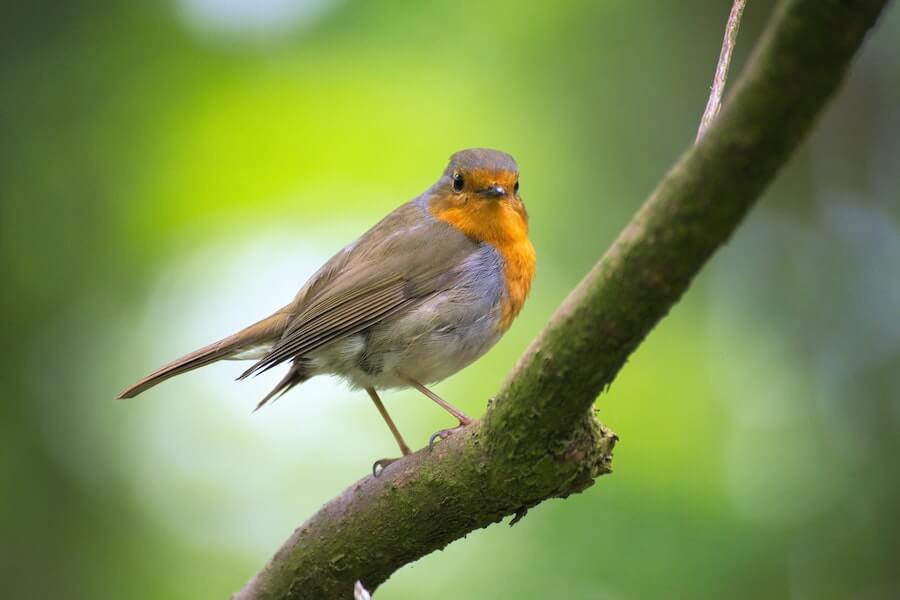
Whether you are an experienced gardener or an occasional gardener, whether you have a large, landscaped outdoor space or a courtyard, you can create the ideal environment that wildlife – including hedgehogs – will love. Here are our tips for planning a wildlife garden.
1) Plant hedges
To keep our gardens tidier with minimal effort, many have removed a lot of the natural boundaries such as hedges. These hedges, however, are an important breeding, nesting and food sources for wildlife, from garden birds to insects and mammals such as the hedgehog.
Replant hedges using native shrubs and species.
2) Add a pond
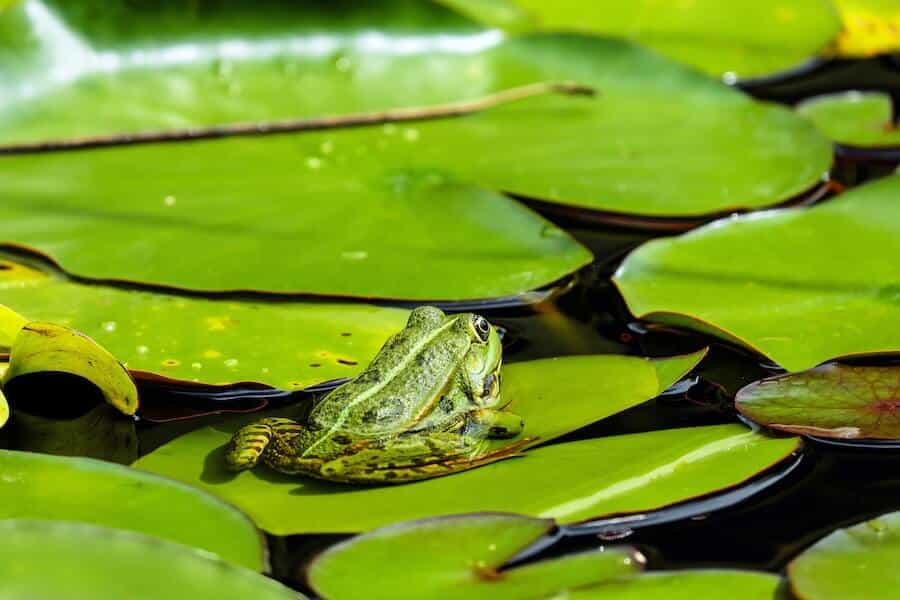
Water is a major plus for all wildlife, from garden birds to frogs and newts. If you have space, and like the idea of welcoming all kinds of wildlife into your garden, then get digging.
Line the hole with a robust pond liner, fill with water and allow the sun to break down the chlorine and chemicals before adding a few fish – inexpensive goldfish will do! – and a few pond plants.
There is no denying that adding a pond significantly improves the biodiversity of your garden, no matter how big or small you make it.
3) Stop tidying up!
Who doesn’t love a tidy garden, with pristine borders and weed-free flower borders? The problem is, some of these ‘weeds’ are an important food source and nesting site for some wildlife.
Stop being so tidy! Allow leaves to rot away in a corner, complete with clippings from trees and shrubs – perfect camouflage for the elusive hedgehog – and allow some weeds to grow in your borders too.
4) Plant wildflowers
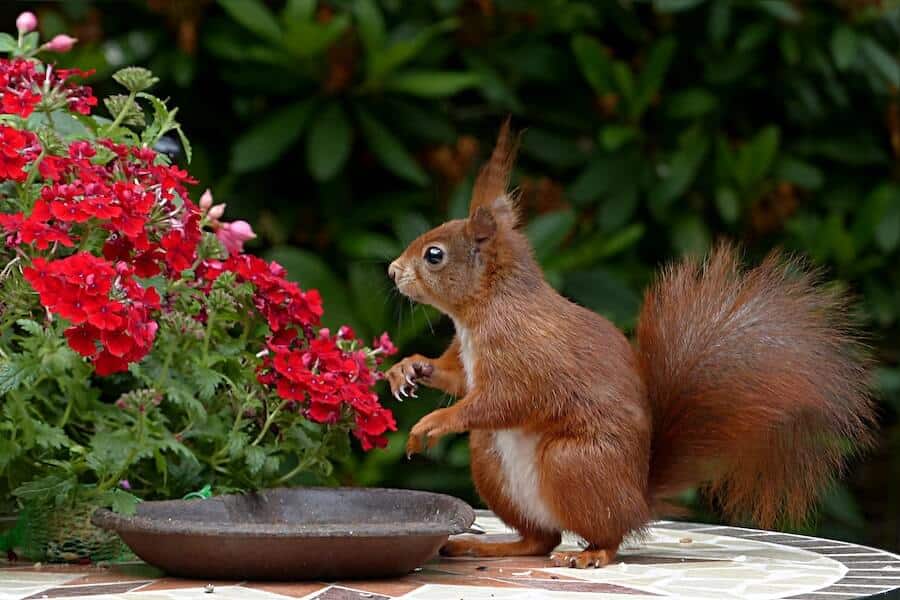
Our bees are also struggling to find rich-in-pollen flowers to feed off and so, planting a wildflower meadow will help our bees.
Choose native British flowers for planning a wildlife garden and, like the previous point, don’t be too tidy in your habits. Allow the flowers to go to seed so they spread across the garden. As well as sowing seeds of native wildflowers direct in the soil, there are also mats impregnated with seed that make planting them in larger areas easier.
And don’t forget native flowers such as scented English bluebell, available in ‘pips’, a small bulb.
5) Build a rockery
Great for hard to garden areas, the rockery adds another strand to the biodiversity of your garden, just like adding a pond. We don’t have many species of reptiles in the UK, but those we do have will be encouraged to take up residence in your rockery, such as the slow worm.
6) Link your gardens
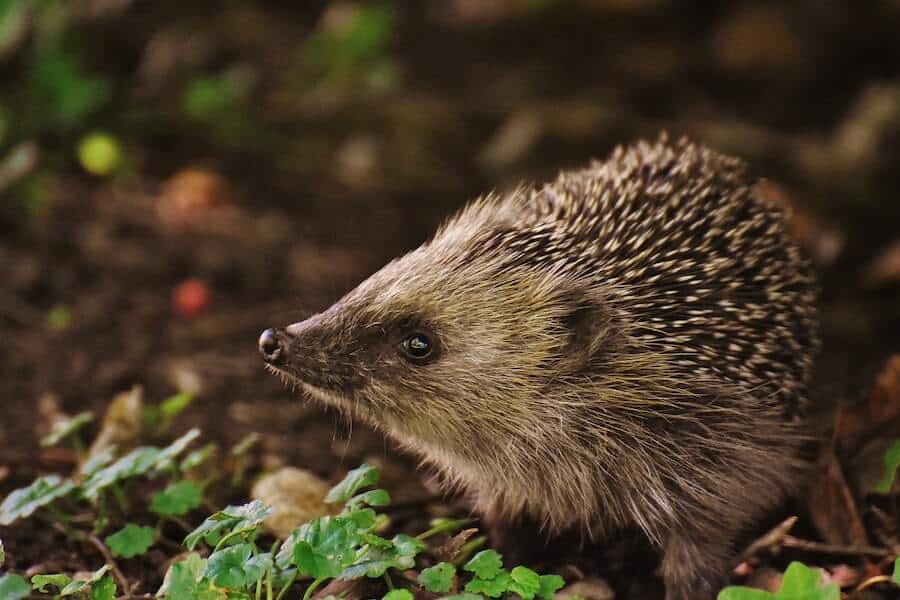
To encourage hedgehogs, the organisation Hedgehog Street is encouraging gardeners to create 13cm by 13cm tunnels between their garden and that of their neighbours. This stops the poor hedgehog trooping for miles at night looking for the food they need, and for a mate.
7) Stop Seeing Everything as a Pest!
We have, over the years, come to the opinion that anything that ‘invades’ our garden is exactly that: an invader that must be dealt with at all costs! From chemicals to sealing our gardens against wildlife intruders, we have created an environment that is too sterile.
8.) Take Care of the Soil
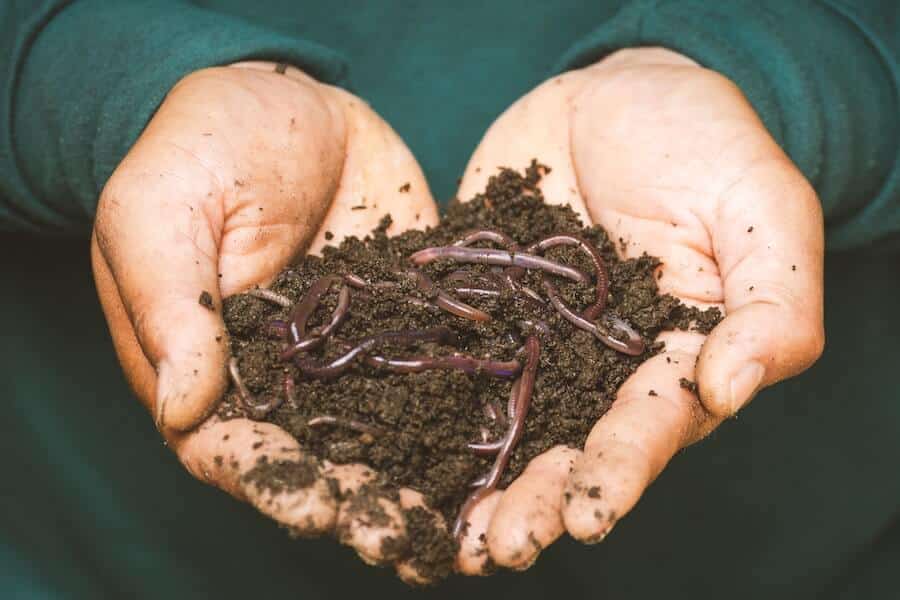
One of the elements that we often forget about in our gardens is the ecosystem that lies beneath, is the soil. Taking care of the soil is another important aspect when planning a wildlife garden, since the healthiness of your soil will encourage wildlife who to like to make it their home, the animals that hunt them, and thriving plants to grow. Here are some tips on how to protect your soil:
- Don’t dig unless it’s absolutely necessary
- Always garden organically
- Avoid compacted soil
- Plant cover crops
- Rotate your annual crops
Find out more ways to protect your soil
9.) Use Companion Plants & Increase Biodiversity
Whether you are growing food or creating a beautiful ornamental garden, choosing companion crops and creating ‘polycultures’, or collections of a range of different plants, can help to make your garden a more biodiverse ecosystem. You can learn more about this in our companion planting guide.
10) Use Plastic Polytunnel Covers
Plastic polytunnel covers create the perfect micro-climate for your vegetables and fruit crops, but sometimes the hedgehogs, the ladybirds, the garden birds and slow worms are your gardening friends.
Planning A Wildlife Garden – My Final Words
Read our other articles and guides to find out more about gardening organically, in your polytunnel and elsewhere after planning a wildlife garden. The wildlife will benefit – but you as a gardener will too. By planning a wildlife garden – everybody and everything wins.
You can feel free to share your comments and tips on planning a wildlife garden below.