

Pink garden flowers can play a key role in a polytunnel’s ecological system and in the gardener’s experience of the space.
When we think of polytunnels, most of us instinctively imagine rows of tomatoes, cucumbers, peppers, and perhaps some leafy greens or herbs thriving under cover. Yet there is much to be gained by broadening our view of what these growing spaces can provide.
In this article, we will explore some of the pink garden flowers that you can grow in your polytunnel for beauty, fragrance, and function, as well as the beauty they can bring to your garden.
Key Takeaways
- Polytunnels are excellent spaces for cultivating not just food crops but also ornamental and multi-functional flowers.
- Pink-flowered plants can serve both ecological and aesthetic functions, providing nectar and pollen for pollinators, supporting biodiversity, and contributing to the visual and cultural richness of a growing space.
- With careful choice of annuals, biennials, and perennials, growers can ensure a succession of pink blooms across the seasons.
- Many pink flowers also offer edible petals, medicinal benefits, or use in natural dyes, teas, and craft projects.
- Growing under cover in a polytunnel allows gardeners to extend the flowering season, protect tender species, and create thriving, resilient systems.
Why Grow Pink Garden Flowers in Your Polytunnel Garden?
Pink garden flowers in permaculture polytunnels are not just ornamental. They support pollinators, soil fertility, biodiversity, pest management, and resilience, while also providing food, medicine, and cultural value.
Pink flowers are more than decorative frills. They provide nectar and pollen for bees, butterflies, hoverflies, and other beneficial insects. This influx of pollinators ensures better fruit set in your food crops and improves the overall resilience of your polytunnel ecosystem.
The presence of flowering plants can also aid in pest management, as they can attract predatory insects that keep pests in check.
Beyond ecology, pink garden flowers contribute to cultural and emotional wellbeing. Their blooms brighten the tunnel and provide cut flowers, edible garnishes, teas, and medicinal remedies. They remind us that beauty and productivity need not be separated.
Polytunnels create microclimates that allow for the cultivation of species that might struggle in the open garden. By selecting a variety of pink-flowering annuals, biennials, and perennials, you can ensure a tapestry of blooms throughout the year, stretching beyond the limits of the outdoor season.
With thought and planning, the polytunnel becomes not only a place of nourishment for body and soil, but also a sanctuary of beauty and biodiversity.
The Atmospheric Impact of Pink Garden Flowers
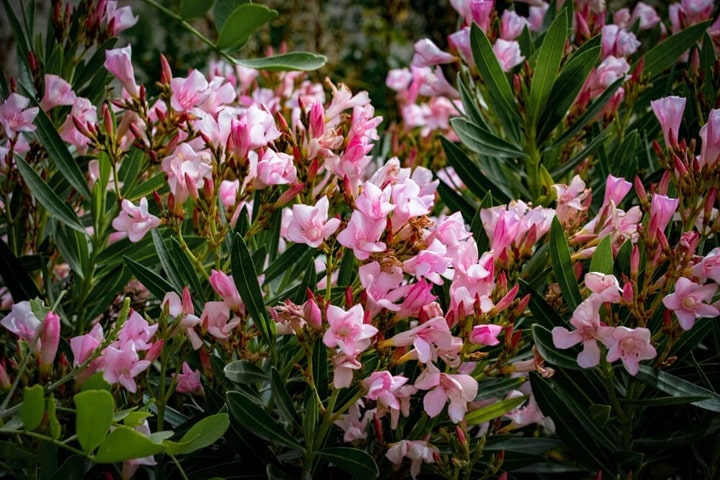
As with flowers of different colours, different shades of pink can dramatically influence the feel of a garden or polytunnel. Hot pinks inject vibrancy and warmth, enlivening spaces that might otherwise feel cool or flat. They bring energy and life, making a garden feel dynamic and cheerful.
By contrast, pale pinks create a soft, peaceful atmosphere. Research has shown that lighter pink tones can have a calming effect on humans and have even been used to reduce aggression in various settings. Such hues are perfect for areas intended for relaxation or quiet contemplation.
Pink flowers can also evoke romance, making them an excellent choice for corners designed for intimacy or leisurely enjoyment.
Pink also often carries a sense of nostalgia, reminiscent of traditional cottage gardens. While ideal for classic, old-fashioned garden styles, pink blooms are versatile and can be incorporated into modern and contemporary designs.
Pink Annuals for Your Polytunnel
Annual flowers complete their life cycle within a single year, and they are invaluable for quickly filling gaps and adding seasonal colour. In a polytunnel, they can be sown earlier and flower for longer.
- Cosmos (Cosmos bipinnatus): One of the most graceful annuals for a polytunnel, cosmos produces delicate, daisy-like flowers in shades of pale to deep pink. Their feathery foliage adds texture, and their blooms are magnets for pollinators. They thrive in the warmth of the tunnel and bloom over a long season if deadheaded regularly.
- Zinnias (Zinnia elegans): Zinnias come in a wide range of colours, but pink cultivars, from blush to fuchsia, can be particularly striking. They are robust annuals that relish the warm, dry conditions a polytunnel can provide. They are long-lasting cut flowers and, like cosmos, are beloved by pollinators.
- Sweet Peas (Lathyrus odoratus): Although often thought of as climbers for outdoor supports, sweet peas can be trained up canes or trellises inside a polytunnel. Their pink blooms are fragrant and abundant, making them a delight for the senses. Many varieties are edible, though the seeds are not.
- Pink Cornflowers (Centaurea cyanus ‘Pinkie’): Traditionally blue, cornflowers also come in soft pink forms. These charming annuals are not only beautiful but also edible, with petals that can decorate salads, cakes, and drinks.
- Godetia (Clarkia amoena): Also known as satin flower, godetia thrives under cover, producing silky blooms in shades of pink. They are less well known but deserve greater attention for their adaptability and soft beauty.
Pink Biennials for Your Polytunnel
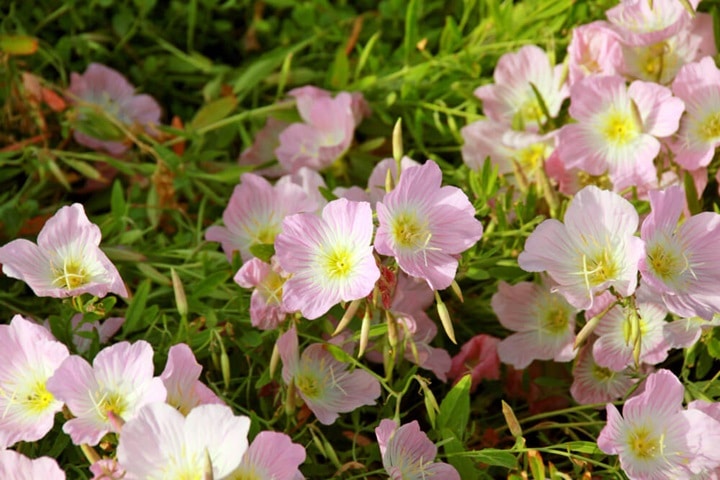
Biennials take two years to complete their cycle, forming foliage in the first year and flowering in the second. Under polytunnel conditions, some can be coaxed into earlier or extended bloom.
7. Sweet William (Dianthus barbatus)
Sweet William produces charming clusters of small, often pink, flowers in its second year. These are wonderful for cut arrangements and are also edible. They are excellent companions in a polytunnel, supporting pollinators while providing colour and fragrance.
8. Foxglove (Digitalis purpurea)
Foxgloves are quintessential cottage garden plants, but they also adapt well to polytunnel conditions, where they can flower earlier and for longer. While parts of the plant are toxic and not for eating, their tall spires of pink bells are irresistible to bumblebees.
9. Hollyhocks (Alcea rosea)
Biennial or short-lived perennial, hollyhocks bring vertical drama to the tunnel with tall spires of blooms in many shades of pink. Their petals are edible and can be used for teas or as natural colourants.
10. Canterbury Bells (Campanula medium)
These biennials bear large, bell-shaped flowers in pink and other colours. Their structure adds variety to a polytunnel planting scheme, and they are much loved by bees.
11. Sweet Rocket (Hesperis matronalis)
Sweet rocket produces fragrant pink to lilac blooms in its second year. Its flowers are edible and attract bees and butterflies, making it excellent for companion planting in a polytunnel. It also self-seeds readily, ensuring a succession of pink flowers year after year.
Pink Perennials for Your Polytunnel
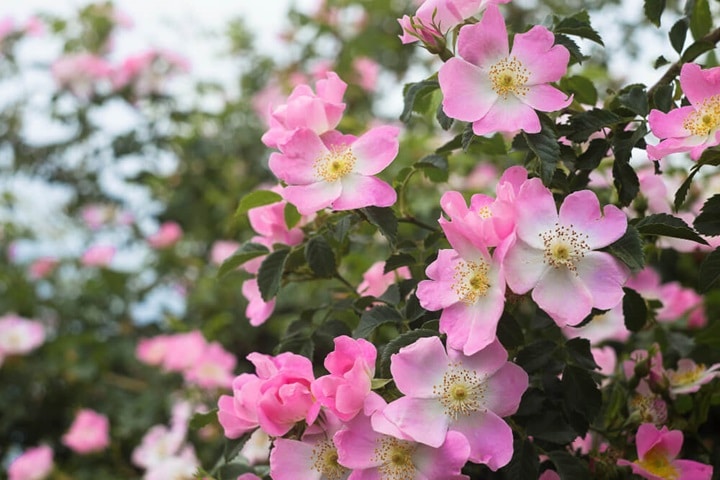
Perennials return year after year, providing continuity and reducing the need for constant replanting. Inside a polytunnel, they can thrive in protected conditions, sometimes flowering earlier than outdoors.
12. Roses (Rosa spp.)
Though often associated with outdoor beds, roses can thrive in large pots or borders within a polytunnel. Pink roses are traditional favourites, offering edible petals, fragrance, and medicinal properties.
13. Echinacea (Echinacea purpurea)
Also known as coneflower, echinacea produces striking pink to purple daisy-like flowers. Highly attractive to pollinators, they also provide roots and petals with recognised medicinal uses.
14. Geraniums (Pelargonium spp.)
While technically tender perennials often treated as annuals, pelargoniums (often called geraniums) thrive in the warmth of a polytunnel. Their pink blooms are long-lasting and their scented leaves can be used in cooking and teas.
15. Peonies (Paeonia spp.)
Peonies are luxurious perennials, and while they can be challenging, in a polytunnel they may flower earlier and more reliably. Their large pink blooms are breathtaking and valued for cut flowers.
16. Carnations (Dianthus caryophyllus)
Long grown for their cut flowers, carnations thrive under cover and provide continuous flushes of pink blooms when conditions are right. Their petals are edible and perfumed.
17. Aquilegia (Aquilegia vulgaris)
Columbines in pink shades offer delicate, nodding blooms that self-seed readily. They are excellent for naturalising within a polytunnel bed.
18. Globe Artichoke (Cynara scolymus)
Though primarily grown for its edible buds, if left to bloom, globe artichokes produce striking pink to purple flowers that attract pollinators. They are perennial and thrive in polytunnel conditions when given enough space and sunlight.
19. Chives (Allium schoenoprasum)
Chives produce charming pink to lilac flowers that are entirely edible. Both the petals and the tender green stems can be used in salads, soups, and garnishes. Their flowers attract pollinators and can be snipped to encourage continued leaf growth. Perfect for interplanting in polytunnels, they provide a dual function of culinary use and ecological support.
Fruit Trees With Pink Blossom
Fruit trees are another way to introduce pink blooms into your polytunnel. Many varieties of stone fruits, such as plums, peaches, and cherries, produce stunning pink flowers in spring before setting fruit.
Growing these under cover can protect delicate blossoms from late frosts and extend the flowering period, giving pollinators a safe and abundant source of nectar.
The visual impact of these pink floral displays also enhances the aesthetic appeal of the tunnel, creating a sense of seasonal rhythm and beauty alongside your vegetable and flower beds.
Apple and pear trees can also be grown in polytunnels, particularly as dwarf or espalier forms. Their pink-tinted spring blossoms not only add charm but also attract pollinators, ensuring a better fruit set.
Integrating flowering fruit trees into your polytunnel design combines productivity with ornamental value, creating a layered ecosystem where beauty, biodiversity, and yield all coexist.
Fruiting Shrubs with Pink Flowers
Many fruiting shrubs provide both edible harvests and vibrant pink blooms, making them perfect for a polytunnel. Raspberries (Rubus idaeus) and blackberries (Rubus fruticosus) often produce delicate pink flowers before fruiting, attracting pollinators and adding seasonal colour.
Similarly, currants (Ribes spp.) such as pink-berried varieties can display soft pink blossoms that precede clusters of edible berries.
Other excellent choices include gooseberries (Ribes uva-crispa) and pink-flowered varieties of elder (Sambucus nigra ‘Black Lace’ or other cultivars). Their blossoms provide food for pollinators and can be used in culinary preparations, while the fruit is harvested for jams, desserts, or syrups.
Incorporating fruiting shrubs with pink flowers adds vertical structure to a polytunnel and ensures a continuous flow of edible yields alongside ornamental and pollinator-friendly plants.
A polytunnel is not simply a place for growing food—it can also be a sanctuary of biodiversity and beauty. By incorporating pink-flowered annuals, biennials, and perennials into your planting plan, you enrich the ecology of your growing space and add immeasurable joy to your gardening life.
FAQs
Can I grow all these pink-flowered plants in a polytunnel year-round?
Not all. Annuals complete their cycle in one season, while biennials and perennials have longer life spans. However, the microclimate of a polytunnel allows you to extend seasons, start plants earlier, and sometimes keep tender varieties alive through winter.
Which pink-flowered plants are best suited to the warmer, more humid conditions inside a polytunnel?
Species like zinnias, cosmos, geraniums, and carnations relish warmth and perform particularly well under cover. Roses and echinacea also adapt well, though ventilation is key to avoid fungal issues.
Can polytunnels help extend the flowering season for pink blooms?
Yes. With controlled conditions, you can encourage earlier flowering in spring and protect blooms from autumn frosts. This results in a longer, more continuous display of pink flowers, providing ecological and aesthetic benefits well beyond the outdoor growing window.
Sources
Sweet, R., (2025) The Power of Pink in Garden Design. Harmony in the Garden. [online] Available at: https://harmonyinthegarden.com/2025/03/the-power-of-pink-in-garden-design/ [accessed 21/08/2025]