

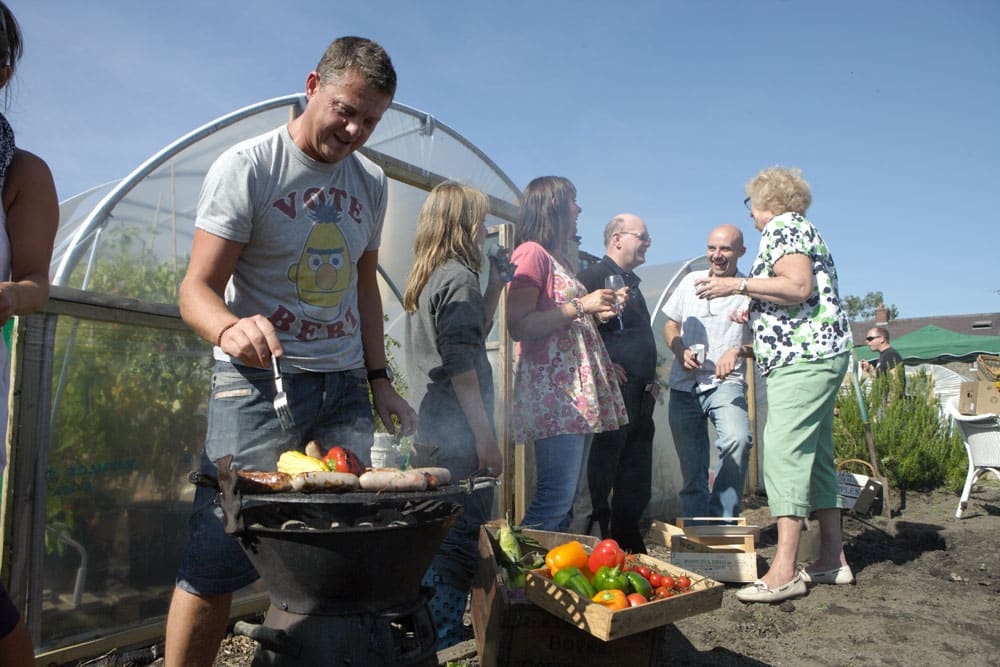
Cooking polytunnel produce outdoors can be one of the joys of the summer months. There is nothing better than being able to cook up and eat produce you have grown yourself right there in your very own garden. In this article, we will talk about why outdoor cooking is such as great idea, and then provide some tips for creating your outdoor cooking area, preparing food, and staying safe while cooking outdoors in your garden.
Why Cooking Outdoors Is Great For Homegrown Produce
While it is always wonderful to create home made meals using the fruits, vegetables and herbs that you have grown in your garden, there is something very special about using this produce in outdoor cooking.
Of course, eating organic, home-grown food is always a healthy option. It is more sustainable than buying food too, as it can cut down your carbon footprint and make it easier to avoid plastic food packaging and reduce waste.
But above and beyond these things, cooking outdoors can also be a fun summer activity. It really can be a wonderful way to make the most of your garden.
What is more, when you spend time in your garden, you can get closer to nature, and learn to truly value and appreciate the natural world around you. Outdoor cooking and eating is one way to make sure that you forget those all important connections to the natural surroundings. And forging that connection has been proven to have a hugely beneficial influence on human health and well-being.
Finally, cooking outdoors can also allow you to learn a whole new range of useful skills – both while you are creating your cooking areas and while you are cooking up a storm.
Creating Your Outdoor Cooking Area
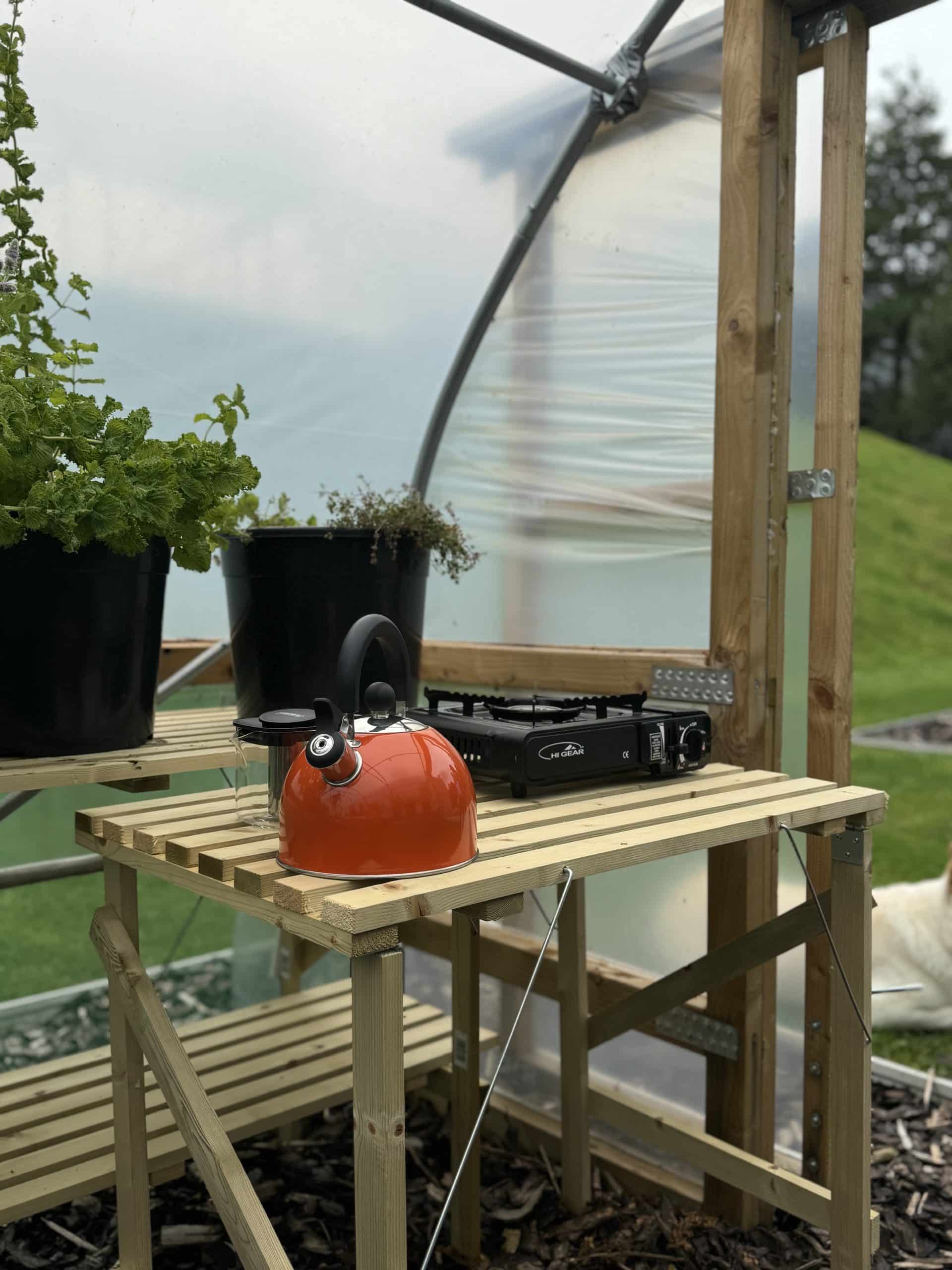
Eating outdoors does not have to involve a cold picnic, or a meal cooked in your kitchen and carried outside. There are a number of different ways to to make outdoor cooking work for you, including:
- barbecues
- open fires
- outdoors pizza ovens
- solar ovens
- smokers
The great news is that setting up your outside cooking area for one or more of these methods does not have to break the bank. Often, it is cheap and easy to create your cooking area. So, let’s take a look at creating an area for each of these cooking methods in a little more depth:
Barbecue Cooking
Barbecues are definitely the most common equipment used for outdoor cooking. Of course, there are a wide range of barbecues on the market – from the most simple barbecue trays through through to expensive, high-end grills. If you want to save some money and make a sustainable choice, you could also consider making your own. All you need is a receptacle for the charcoal or wood, and a grill on which items for cooking can be placed.
In addition to considering making your own barbecue, you could also consider making your own fuel for it. You might even be able to use pruned wood from your very own garden – either on a wood-fired barbecue, right away, or to create your own charcoal. However, always make that you BBQ safely!
Open Fire Cooking
An even simpler way of cooking outdoors is on an open fire. If you do not already have a fire pit in your garden, you might be able to create one by using some stones or reclaimed bricks, a tyre rim, or a piece of sheet metal formed into a round.
Open fire outdoor cooking is not restricted to the camping basics of roasting on toasting forks, or burying foil wrapped items in the hot coals. For example, you could also consider placing a grill over the top of your fire pit, or using a cauldron or Dutch oven to create some delicious outdoors meals.
Remember, an open fire, like a barbecue, could also be fuelled using preserved wood from elsewhere in your garden. Also, as with a barbecue, you must ensure that you remain safe while around an open fire.
DIY Pizza Ovens for Outdoors Cooking
If you are feeling a little more ambitious, and want to create something special for your outdoors kitchen, you could also consider making a DIY pizza oven. There are a number of different ways to make one. You might even be able to make one using mostly reclaimed and natural materials from the immediate surroundings.
For example, a base for your pizza oven could be built up using stone from your garden, reclaimed bricks or other reclaimed building materials. The top, oven section can be created using cob or clay. If you are lucky, you might even be able to delve for this on your own land, keeping costs to an absolute minimum.
As with the above options, woody prunings from garden trees could potentially be used if you plan to include pizza in your outdoor cooking, as well as a whole range of other meals.
Read More: How To Take Cuttings of Woody Herbs
DIY Smokers
Another wood-fuelled outdoor cooking method that you might be able to consider is smoking, and it is also relatively cheap and easy to make your own wood-fired smoker right there in your garden.
It is important to remember that with a smoker, you are not only restricted to meats, fish and cheeses. You could also consider smoking home-grown vegetables to add an little something extra to their flavours.
DIY Solar Ovens
One final method for outdoor cooking does not involve sourcing any fuel at all. You may be surprised to learn that even here in the UK you may be able to cook food using only the heat of the sun.
There are a range of fancy solar ovens of various designs available for sale. But you could also consider having a go at making your own, using a simple insulated box, lined with reflective foil, black cookwear and a parabolic reflector to focus the sunlight, for example. There are plenty of different DIY designs that you could follow to create a solar oven to cook your home grown food.
Tips for Preparing Food Outdoors
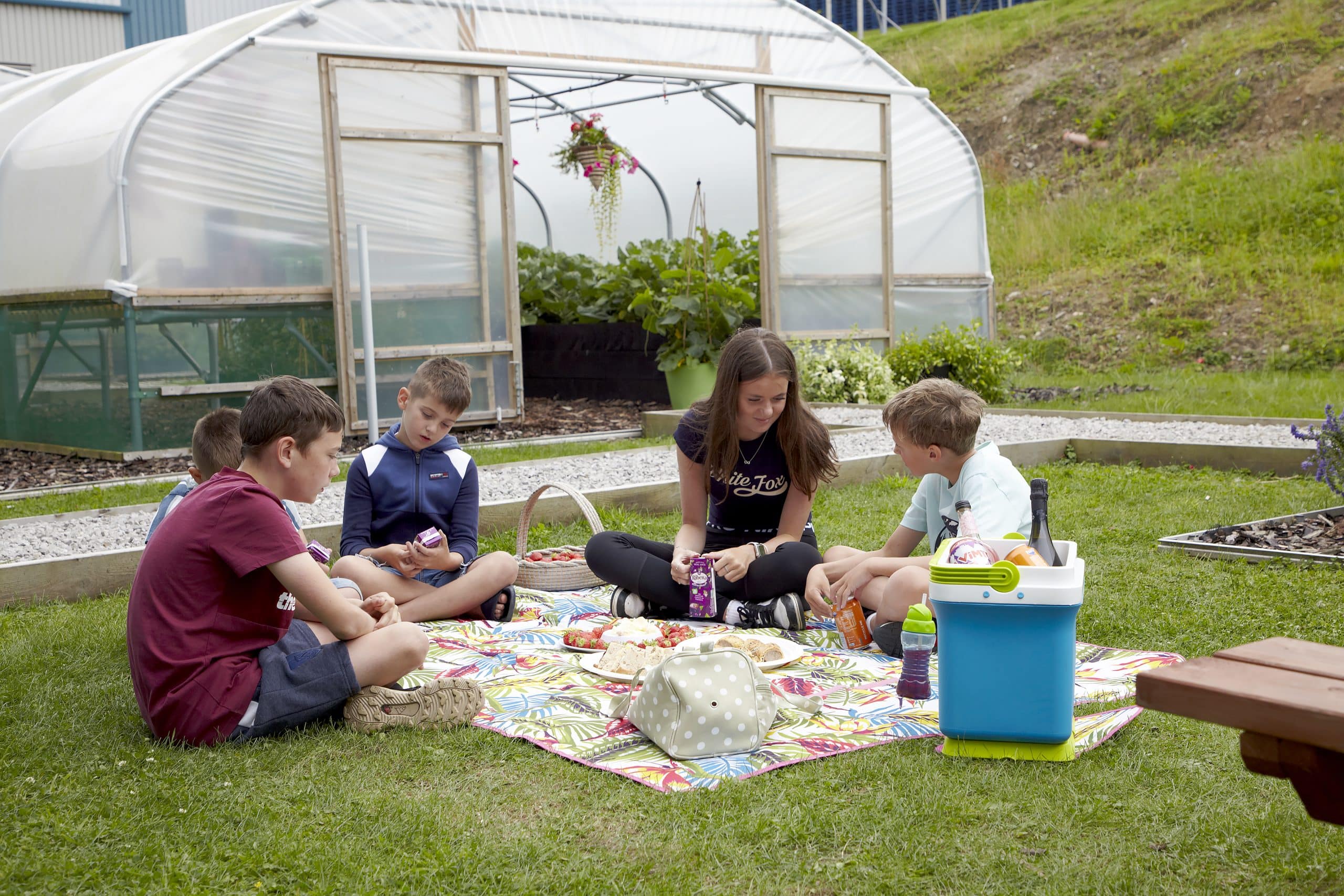
Once you have decided on and created your outdoor cooking areas, it is time to think about how you will prepare food outdoors. Adding a water source/ sink and preparation area to your outdoors kitchen will make it a lot easier to cook outdoors, without having to carry things backwards and forwards from your kitchen. You should consider adding:
- An outside tap (if you do not
already have one).
- An outdoors sink or water
receptacle where you can wash hands and your freshly harvested
produce.
- A counter with a hard-wearing
worktop, perhaps beneath a covered area so as to cut down on the
cleaning required before each outdoor cooking session.
It could be a great idea to create a food washing/ food preparation area close to your compost heap or compost bin, so that you can place scraps there right away. In an organic, food-growing garden nothing should go to waste.
You could even consider creating a safe storage area with utensils and other equipment that is used in cooking outdoors.
Safety Tips For Outdoor Cooking
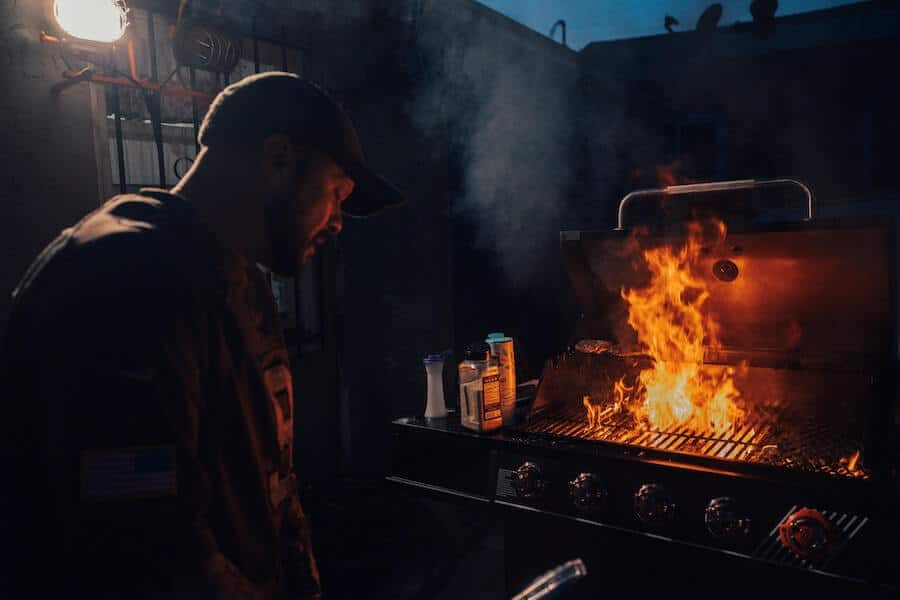
Whichever method or methods you choose to use when cooking outdoors, safety should always be a paramount consideration. It should really go without saying – but it is of course important to make sure that cooking areas involving open flame are sufficiently far away from your home, your polytunnel, and any other flammable structures.
When cooking with wood or charcoal, it is a good idea to make sure that there is a water source nearby, that would allow you to dowse the flames if things get out of hand. You could also consider keeping a bucket of sand nearby.
Of course, you should also know that it is important not to leave cooking equipment/ fires unattended, and to always make sure that the fire is fully out before you head away, or go back inside.
Children and pets should always be closely supervised in your outdoors kitchen, and you should make sure that younger members of the family understand the dangers of hot surfaces etc.. Once used, cooking equipment should always be secured, and care taken so that no harm befalls any members of the household, or any wildlife in the vicinity.
Share Your Outdoor Cooking Tips With Us
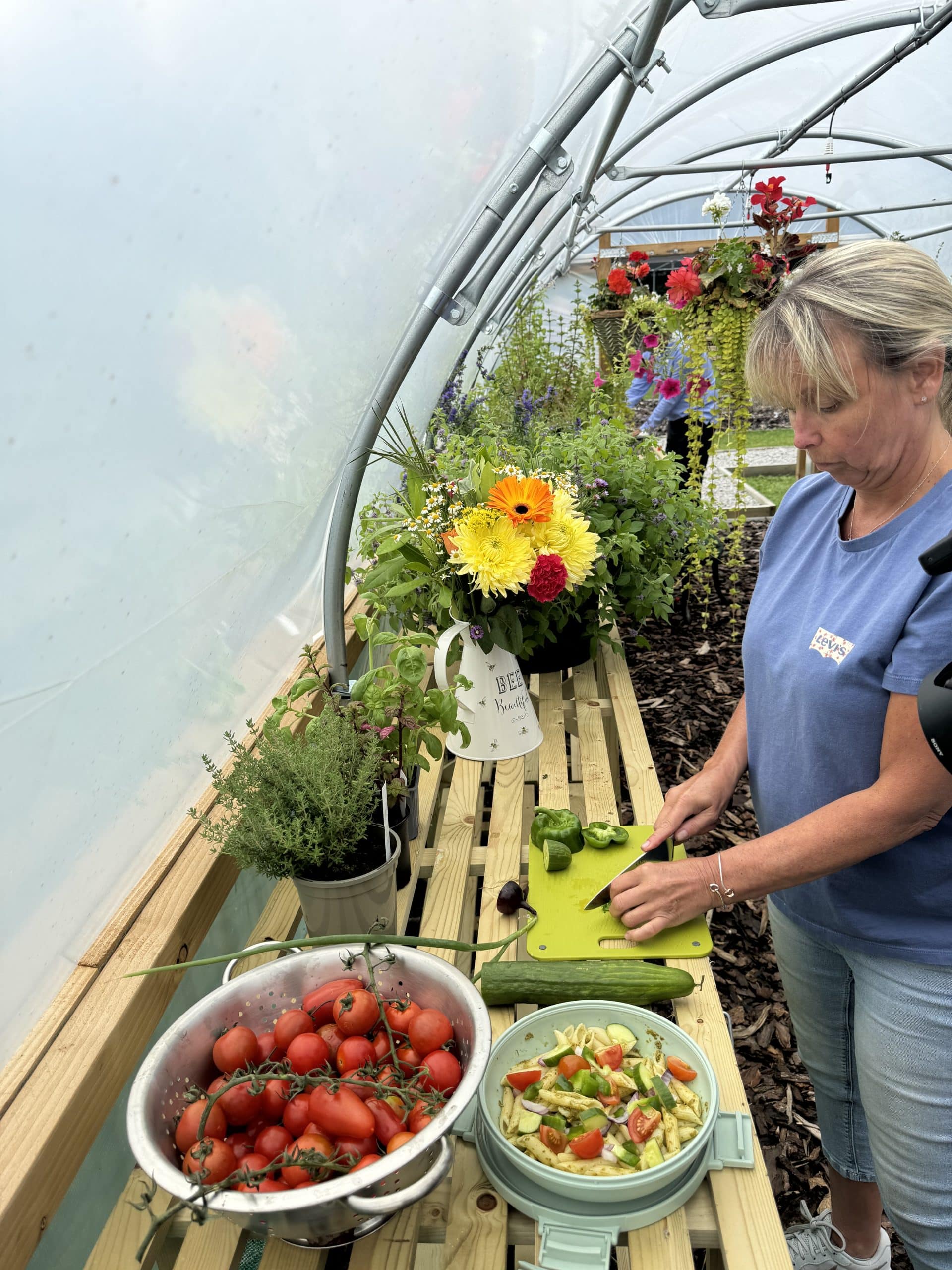
These are just some tips that should help you to make the most of your home-grown produce, grown in your polytunnel or elsewhere in your garden, and help make sure everyone stays safe. Is cooking outdoors something you enjoy? Then why not consider creating or improving your outdoors cooking areas this summer? Let us know how you get on in the comments below.