

If you are new to gardening, now is a good time to do some groundwork to make sure you’re ready for sowing in spring. You might be tempted to start choosing seeds and plants and sowing and planting right away. But it can be a good idea to start off with some planning and preparation to make sure you don’t end up making some common mistakes, or causing problems for yourself later on. Here are some things you should prioritise before you actually start sowing next year:
Get To Know Your Garden
Getting to know your garden is important. Careful observation will help you understand how best to use the space. It will help you determine the best possible layout. You’ll better understand which elements it would be beneficial to include. And, of course, you will get a better understanding of the existing plants and wildlife. Which, in turn, will help you understand which additions to the planting you could make.
Be sure to think about sunlight and shade, wind and water. Consider the soil and find out your soil type, its moisture and nutrient characteristics, and pH. Make sure you understand the climate and microclimate where you live. Think about the resources your garden can currently provide, and what you would like it to provide in future.
Learn More About Plants and Their Needs
Those new to gardening may also find it beneficial to spend some time learning more about different plants and their needs. This can make it much easier to choose the right plants for the right places in your garden. It will help you narrow down your plant choices and form a much clearer idea of what is possible in your garden in terms of planting. And how to achieve it. Of course, you will also learn a lot in a garden by actual doing. But before you begin, it can be helpful to build a basic foundation of knowledge that will stand you in good stead.
Of course, you can read about plants online and in books, you can watch media, and learn from other gardeners. Think about what type of learner you are, and choose methods for learning that work well for you.
Choose a Growing Method and Acquire The Things You Need
When new gardeners think about growing their own for the first time, the vast majority will think about growing annual crops in raised beds. But creating a kitchen garden with annual vegetable beds is certainly not the only option, and there are other growing methods to consider.
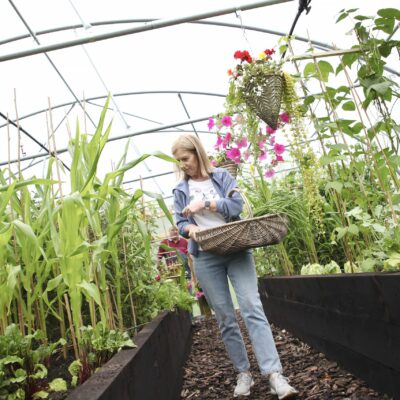
For one thing, even if you are growing in raised beds, you should think about whether you will do so outdoors, undercover, or a combination of both. Investing in a polytunnel could be a very good idea if you are interested in year round cultivation.
As well as thinking about whether you will grow outside or under cover, you should also consider whether it could be a good idea to think beyond annual crops.
Including fruit or nut trees, fruiting shrubs and canes, and plenty of other perennial vegetables and herbs can be an excellent idea. This can be a more low-maintenance way to grow your own. Perennial gardens may sometimes take a little more work to establish, but once established, will tend to take up a lot less of your time.
One type of perennial gardening is called ‘forest gardening’, because it mimics the layers and relationships between the plants and wildlife in a natural forest or woodland.
Whether you decide to opt for more traditional annual food production, or a forest garden type approach with plenty of perennial plants, you will need certain tools and resources to help you get started. Now is a good time to gather those tools and resources before work actually begins.
Consider Water Collection and Management
Before you start actually establishing your new garden, thinking about sustainable systems is a very good idea. One crucial thing to consider is how you will manage water in your garden. Setting up a rainwater harvesting system to collect water from the roof of your home and any other structures on your property is a very good idea.
It is also a very good idea to think a little about how to catch and store water in the soil and plants of your garden. And also to think about setting up irrigation or watering systems which will help you meet the needs of the plants in your garden over time. Fresh water is a precious resource. Taking some time to plan upfront can help you make sure you don’t waste it.
Set Up a Composting System
Another thing that you should do right away if you have not done so already is set up a composting system. Composting is crucial in a garden to maintain fertility, and return nutrients to the system. Of course it can also help you reduce food waste, which is very important if you want to live a more sustainable and eco-friendly way of life.
Look into different types of composting, and make decisions about which method or methods will be right for you. Then make sure you start composting in some capacity before you start sowing in spring.
Think About Attracting Wildlife to Your Garden
As a gardener, it is important to remember that you will not garden alone. You will be aided in your gardening efforts by a wide range of life, above and below the soil surface. Before you think about sowing seeds and cultivating crops, it is a good idea to think about how you can attract wildlife to your garden.
The plants you choose will be the most important thing in creating a wildlife friendly garden. You should think about habitat creation and make sure your garden is welcoming to as many creatures as possible. But you might also like to think about adding other features to attract beneficial wildlife to your space, such as bird feeders, nesting boxes, bug hotels and more.
Gather Materials For New Growing Areas
If you are creating new raised beds, or preparing an area for perennial planting, you will need organic materials to build fertility and prepare the site. Creating no dig raised beds involves layering organic materials like autumn leaves, woody waste, green leafy material, manures, composts etc. on top of a layer of cardboard. You could take some time now to collect the materials you need before you actually create your new growing areas in spring.
If you are starting a forest garden or placing woody perennial plants, your work will likely start over the dormant period, as you plant out bare-root specimens. Around each tree and shrub, it can be helpful to layer cardboard to suppress grass growth, then to add an organic mulch. Collecting natural and reclaimed materials to help you establish your garden will help you get cracking as soon as bare root trees and shrubs arrive.
Plan a Layout For Your Garden
Of course, before you actually order any plants, or seeds, you should make sure you have a good idea about layout, and the overall design. Taking all of the above into account, you should think holistically to come up with the best design and layout for your site.
Careful thought may help you come up with a layout and design on your own. However, if you are in doubt, or feel too inexperienced, permaculture garden designers (like me) will help you develop a sustainable and eco-friendly garden plan for your particular garden.
Think About Which Plants You Want to Grow
Choosing plants for your garden is not just a case of choosing the right plants for the right places. It also involves careful thought about what you like, and what you personally wish to achieve. Personal preference can also be important, so those new to gardening should make sure they consider not only their particular garden and plant needs, but also what they actually like to eat before they choose options for their food producing garden. It might be helpful to make lists of plants that you would ideally like to grow and to check these against lists of appropriate plants for the setting.
Prepare a Sowing and Planting Schedule
Finally, before you actually order plants and seeds and get started, I also highly recommend that you spend some further time on planning and preparation. Take some time over the winter months to prepare a sowing and planting schedule, being sure to think about timings for where you live, and also things like companion planting, successional sowing and crop rotation.
You will continue to learn a lot about gardening and be able to refine your plans and practices as you proceed. But doing some work up front can certainly help those new to gardening in avoiding the most common pitfalls. And makes it more likely that you will achieve the best possible results.