

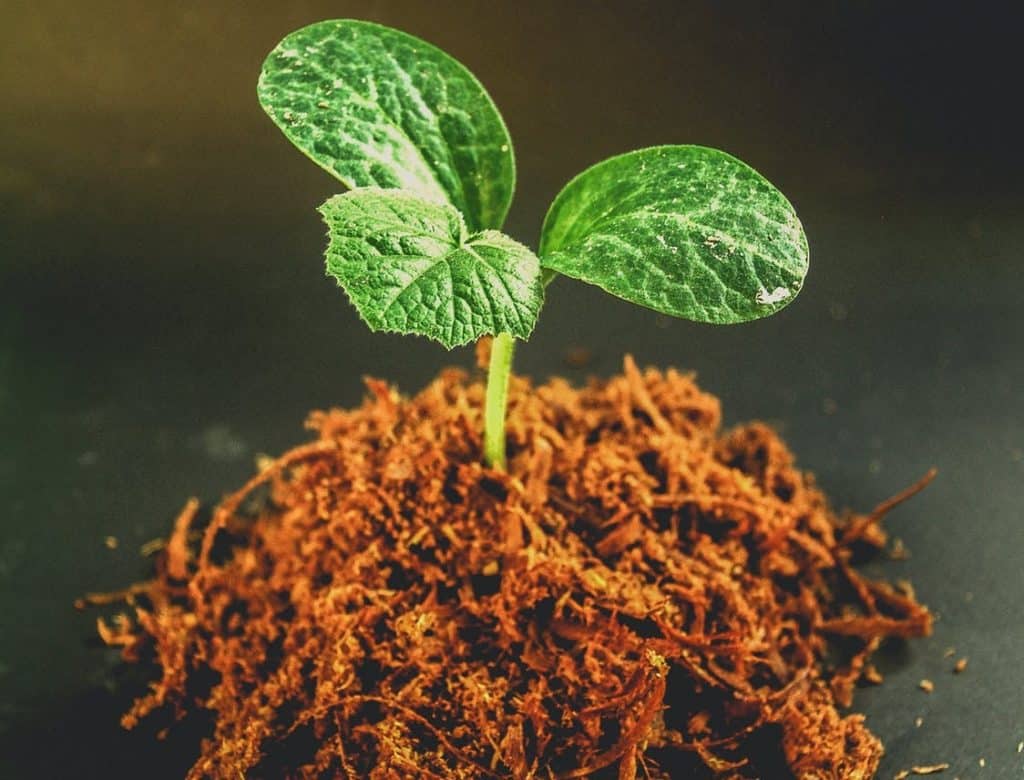
There are a lot of important things to understand in an organic polytunnel garden. But one of the most important lessons to learn is that much of the action goes on below the soil surface. Gardeners often tend to focus on their plants, and things that they can see. But it is just as important to consider those things we cannot see. Mycorrhizal fungi are one important factor in the sub-soil ecosystem.
Why Is Fungi Good For The Garden?
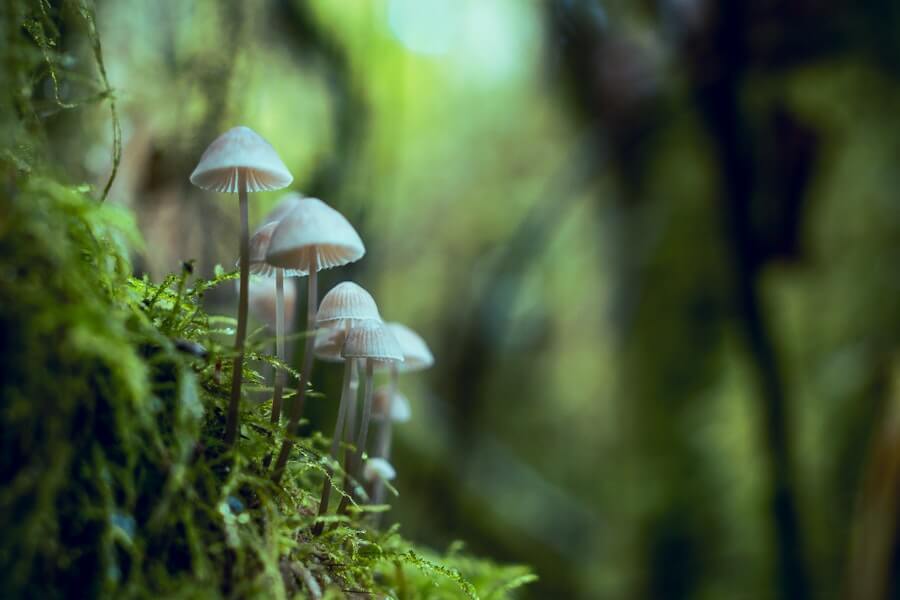
Without fungi, organic gardening would not be possible – full stop. Though largely at work invisibly, fungi are essential to the communication of plants. They also assist with the transportation of water and nutrients. Fungi work hard, transporting:
- nitrogen
- phosphorus
- iron
- copper
- other nutrients
- and water
They work, essentially, like the roots of plants. Though in a far finer, more elegant and far-reaching manner. In a teaspoon of soil, you might find a couple of centimetres of plant root. Yet there may be many metres of fungal hyphae. They work between the soil grains and solubilise nutrients which makes them available for the uptake of plant roots. Without fungi, these nutrients are not made available in an entirely organic environment.
Fungi’s unbroken chains, that can travel freely through an open soil structure, can transport water and nutrients to where they are needed, and also serve to bind the soil together. Specialist fungi, such as mycorrrhizae, work by forming symbiotic relationships with plants, effectively increasing the surface area of a root mass exponentially. Trichoderma are able to invoke an immune response in plants, hardening them to disease and attack, as well as performing other beneficial functions. Adding these specialist fungi to our gardens when planting can help us to increase our yields of edible produce and ensure the smooth function of the polytunnel ecosystem.
What Are Mycorrhizal Fungi?
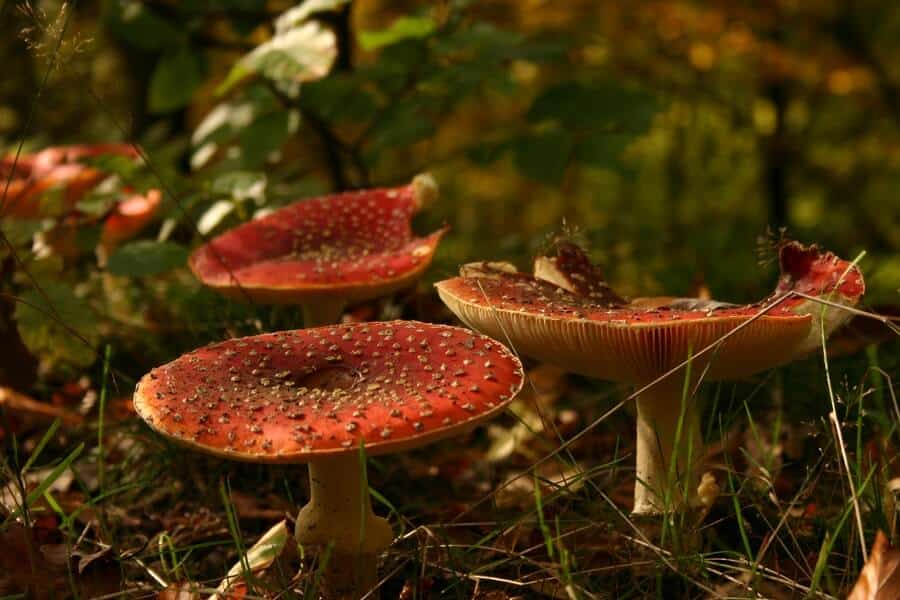
Mycorrhizal fungi, or mycorrhizae, are ‘root fungi’ with an association with plant roots. They are fungi that form symbiotic associations with the root systems of many plants. The fungi colonize plants’ root tissues, and play an important role in plant nutrition, soil biology and soil chemistry. It is important to understand that there are a wide range of different fungi which form relationships with different types of plant.
There are two main types of mycorrhizae – ectomycorrhizae, and endomycorrhizae. The former live on the outside of a plant, while the latter live within the plant itself. Ectomycorrhizae can be seen on a plant’s roots, while the second type can usually only be detected with laboratory facilities.
Coniferous trees, oak, beech, birch, chestnut, and hickory trees only associate with ectomycorrhizae. Most vegetables, crops, shrubs, many trees, grasses only associate with endomycorrhizae.
Arbuscular mycorrhizas, a common type of endomycorrhiza, are found in 85% of all plant families, and occur in many crop species. Most plant species form mycorrhizal associations, though some common crop families, like Brassicaceae and Chenopodiaceae cannot.
Within each of these categories there are a wide range of different fungi. There are believed to be thousands of them. Some are symbiotic with only one type of plant, while others are generalists that form beneficial relationships with a range of different plants.
How Do They Help Plants?
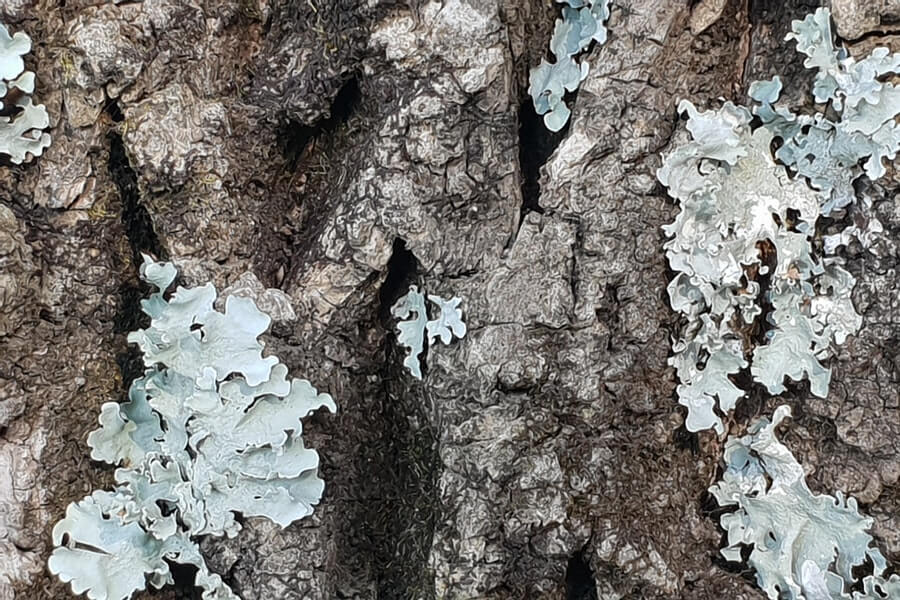
Mycorrhizae are present in most types of soil. The plants make organic molecules such as sugars through photosynthesis. They then supply these to the fungi. In return, the fungi help the plants in taking up water and mineral nutrients from the soil. They can greatly increase the spread of a plant’s root system.
In addition to sharing and exchanging water and nutrients, the plants and fungi can also aid one another in a range of other ways. For example, the fungi have mycelia which are much narrower than plant roots. This means that they can explore soils that cannot be reached by roots. Some chemically work to release nutrients from soil that were previously ‘locked up’ (through ion exchange, for example). Mycorrhizal fungi can be particularly beneficial for plants in areas with nutrient poor soils.
Some mycorrhizal fungi can also aid plants by making them more resistant to soil-borne pathogens and diseases. Some act as a defence against nematodes etc.. Others may serve as a form of ‘inoculation’ to boost a plant’s immune response. Some can mitigate the effects of drought on plants, or alleviate salt stress. Others play a protective role for plants in acidic or contaminated soils.
Mycorrhizae are also crucial to the communication networks in many plant communities. The fungal networks can aid in resistance to insects and other pests, and allow, for example for the transmission and reception of ‘warning signals’ between plants. Such signals sometimes trigger plants to release repellent compounds, or chemical compounds that attract predatory species to deal with an invasion.
Should You Add Mycorrhizal Fungi?
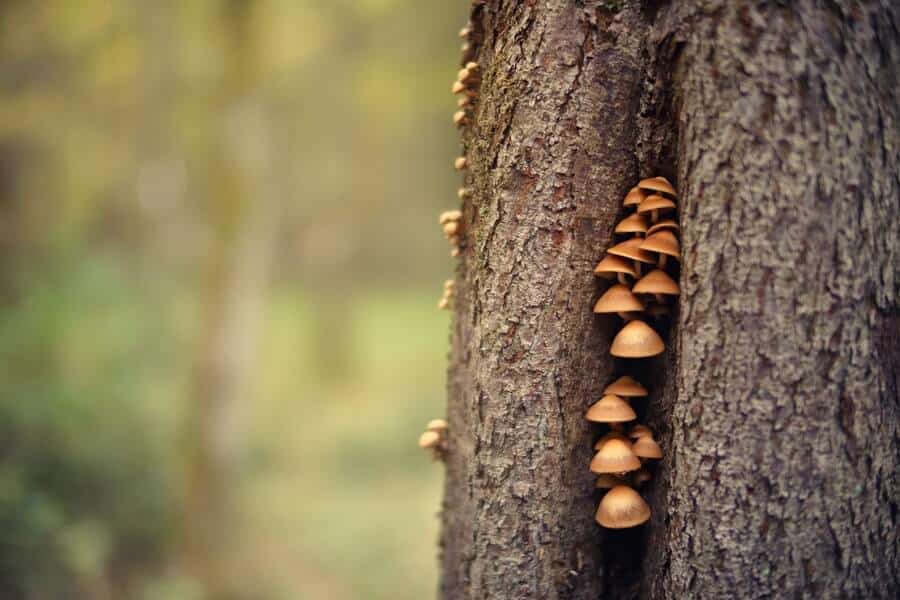
Mycorrhizae are actually little understood to date. Only a small proportion of these interactions have been fully studied and understood. However, mycorrhizae are present in 92% of plant families studied (80% of species). Their importance cannot be underestimated.
The soil in your garden almost certainly already contain vast quantities of these fungi, interacting in a range of different ways with your plants. But should you buy mycorrhizal fungi to add to your garden?
Unfortunately, there is a lot of misinformation out there. Gardeners are often targeted by companies selling mixes of certain mycorrhizal fungi. Some gardeners are tricked into believing that adding such products at planting time can automatically aid in plant growth. Manufactured mycorrhizae consists of 2 or 3 types of fungi. But as mentioned above, there are many different types, which have relationships specific to certain plants. Unless you are an expert in fungal networks, it is very difficult to determine whether or not these are the fungi that will be useful where you live, and for your particular plants.
Introducing the wrong fungi to your garden could actually have a detrimental rather than positive effect. Foreign species may inhibit the growth of native plants, or outcompete beneficial fungi already present in the environment.
Generally speaking, it is better to improve the soil conditions, rather than looking for a ‘quick fix’ and adding mycorrhizal fungi. Following ‘no dig’ gardening practices, mulching with organic matter and using organic liquid plant feeds can all help to create a rich and dynamic soil environment where fungi, plants and other beneficial soil-life can thrive.
When It Could Be a Good Idea to Add Mycorrhizal Fungi
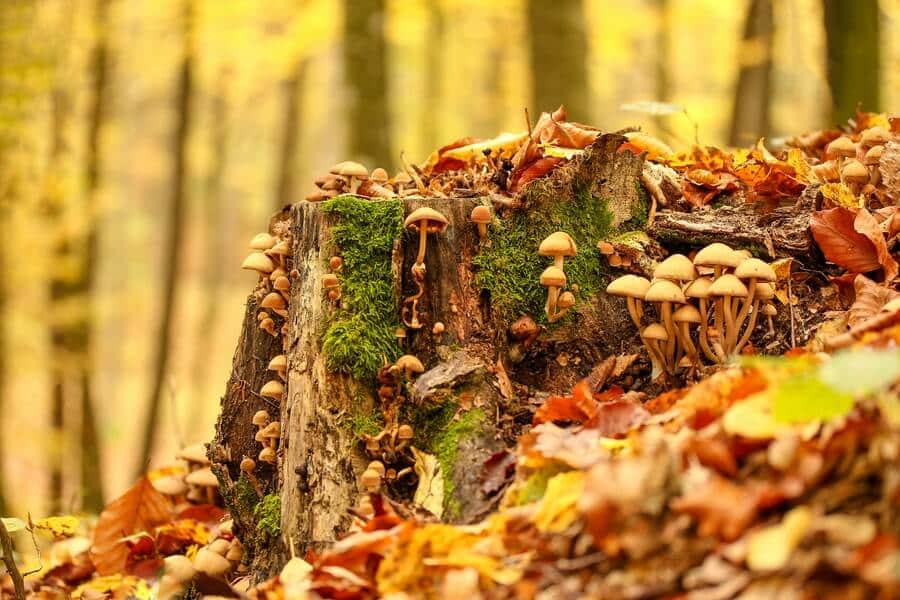
That said, there are certain situations where adding particular fungi to your garden may be a good idea.
One example is where we are trying to transition from a bare soil or a heavily cultivated area to a thriving forest/woodland garden. The soil ecology in a forest or woodland is very different to that of annual growing areas. The fungal /bacterial biomass ratio is one of the important measures that can be used to understand this difference.
The fungal/bacterial ratio is generally around 0:3 to 1:1 in areas where annual grains and vegetables are grown. Orchard trees and other trees and woodland/forest plants thrive in soil with 10:1 – 50:1 ratios. Adding mycorrhizae when planting new trees can aid in the transition from a bacteria dominant to a fungal dominant soil ecosystem. It can give gardeners a head start in creating a thriving forest/woodland type ecosystem.
Appropriate mycorrhizae sprinkled on the roots of newly added fruit trees and other garden trees can give them an initial boost, and help the fungal soil system to become established in your garden over time. Though of course, this is only the beginning. There is no ‘short cut’ to a thriving soil ecosystem. As a gardener, while this can help, you must also make sure that you think about the soil long-term. You must develop ongoing practices for good soil health. Ultimately, it is important to remember that these practices are more vital than any additives.
Aiding Natural Mycorrhizae
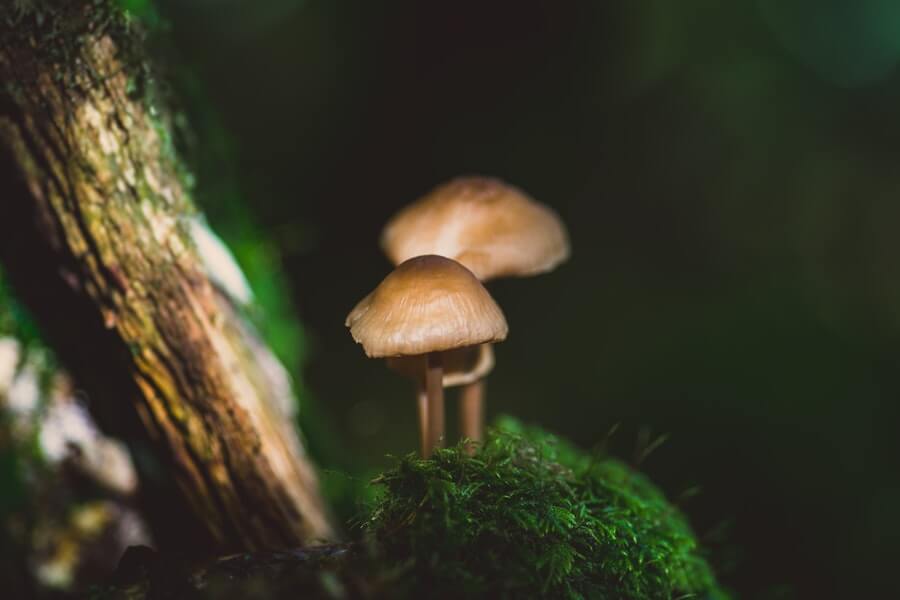
One crucial way to make sure that natural mycorrhizal networks can thrive in your garden is by transitioning to a ‘no dig’ system and disturbing the soil as little as possible. You should reduce your use of phosphorus-rich fertilisers. Since these can suppress mycorrhizae, it is best not to use them if you are trying to create a more fungal environment. It is good gardening practice to use the as little manure/ fertiliser etc as possible, and to reduce soil disturbance.
It is not usually necessary to add mycorrhizal fungi to an annual garden. Instead, you can promote the natural fungal environment in order to ensure that there is a good soil balance. As mentioned above, the bacteria play a more important role in these environments than in a forest/ woodland setting. You can maintain the balance of both soil fungi and soil bacteria through effective ‘no dig’ gardening practices.
In forest gardens, woodland gardens and fruit-tree guilds, in addition to adding fungal spores at the planting stage, you can also add natural mycorrhizal fungi through mulching with woody material, by adding liquid soaks, and by sprinkling the spores of suitable woodland fungi around the environment. Adding natural materials can often be a more natural and sustainable way to promote a fungal environment than adding a proprietary fungal blend.
Soil is a complicated thing. There is, of course, far more to learn about mycorrhizal fungi and mycorrhizae relationships. But the more you learn, the more you will understand the importance of taking care of the soil in an organic garden.
Have you introduced mycorrhizal fungi in your garden? Have you seen benefits in terms of plant growth? Do you have any tips or suggestions to share? Please let us know in the comments below.