

A sustainable food future should be a key goal for politicians, businesses and individuals, and sustainable food production is a step towards that. If you are already growing your own food in a polytunnel, either domestically or for commercial enterprise, you are already playing your part in sustainable food production. It is vital that we move forwards to make sure we have a food system that can endure. We must make sure it is fit for purpose – safeguarding people and the planet while providing what we all need, and not leaving anyone behind.
Growing food is something that is sadly undervalued in our society. Those who grow are often not adequately compensated for their efforts. Growers struggle while many go without access to good quality, healthy food. As individuals, whether or not we grow on a large scale, we can all do our part to make sure that sustainable food production around the world is secured.
But what can we do? How can we all make sure that we are part of the solution, rather than part of the problems relating to food in today’s society? Growing food in our polytunnels is not enough. There is more we can do. Read on to learn more.
What is a Sustainable Food Future?
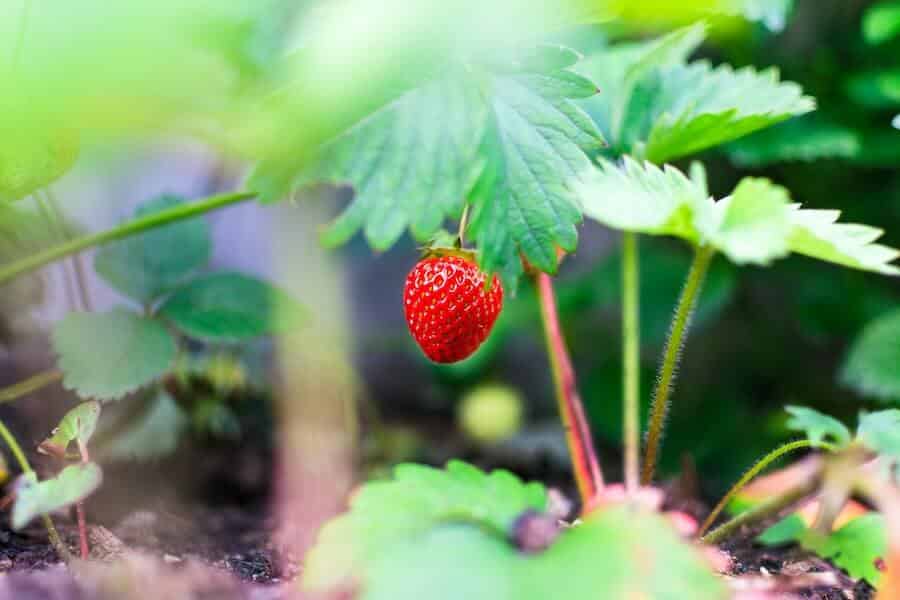
A sustainable food future is not just about making sure everyone in the UK has enough to eat. It is about overhauling a food system that is broken. It is not only about feeding the people living today. We also have to make sure we have sustainable food production systems that can feed our future generations.
Take a look at the World Resources Institute’s report on creating a sustainable food future.
A sustainable food future must:
- Safeguard the natural systems and environments that we rely on for food production.
- Improve the diversity and resilience of food producing systems.
- Protect, nurture and enable those who grow food.
- Ensure equality in food production and access to good quality, healthy food and make sure no one is left behind.
In the context of the climate emergency we face, creating sustainable food production for the future is more important than ever before. Our current systems are woefully inadequate. An agricultural overhaul is urgently needed. Put simply – we are doing things wrong.
Mono-crop and factory farming put pressure on natural environments. They come with a huge carbon cost. Land use is a major concern. Ever-increasing financial pressures on food producers make it a massive challenge to transition to more sustainable operation.
People cannot access the land they need to grow food, and a generation of would-be farmers find themselves disenfranchised, while large swathes of land are mismanaged. If we are not careful, vast areas of topsoil may be lost, and may no longer support food production. Biodiversity is being lost at an alarming rate. Food production is threatened by our changing climate.
Meanwhile, supermarkets have a strangle-hold on producers. Food deserts mean many don’t have access to good quality food. Many are forced into the indignity of using food banks, while nearby, mountains of food goes to waste.
The Importance of the ‘Right to Food’
There are many, many problems with the food system in the UK. It is clear, things have to change. It is easy to become overwhelmed by the scale of the problems. But there are things we can do. Central to all our efforts should be the idea that everyone has a fundamental right to food.
Whether we ourselves are growers or not, we should keep this idea at the forefront of our minds. The right to food, as a basic human right, cannot be dismissed. Unfortunately, those in power often lose sight of this important principle. Even when we ourselves are not in positions of power, we can hold those who are to account.
Making sure that the idea of the right to food is front and centre in discussions can help us determine the shape and parameters of a truly sustainable food future for all.
Growing Food For Sustainable Food Production
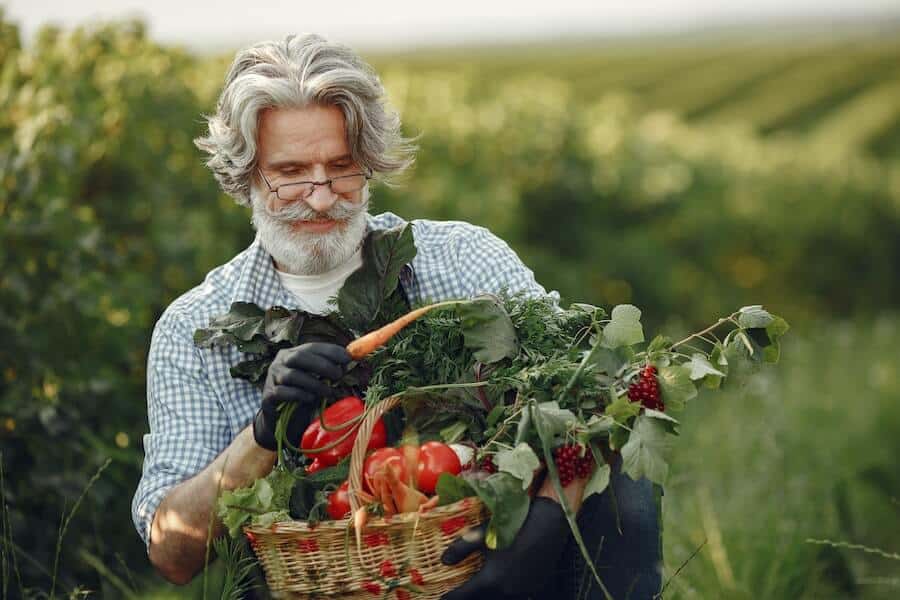
If you are lucky enough to have some land, even a small garden, a polytunnel can help you play your part in our food future by contributing to sustainable food production all year round. You can join the front line, as it were. Even if you are only growing food for yourself and your household, you will be doing your bit.
Agro-Ecology & Wildlife-Friendly Gardening
As a grower, you are well placed to do your bit for the environment. You can create an organic, wildlife-friendly garden, or a farm system that keeps the principles of ecology in mind. By thinking holistically, and valuing the environment, you can help to ensure that food production can endure.
Creating Renewable, Carbon-Neutral Food Growing Systems
You can also play a role in sustainable food production by using and valuing renewable resources, and making sure that you create carbon neutral food growing systems. It is only by doing so that we can hope to combat the climate crisis we face.
Caring for the Soil & Giving Back To The System
By composting, mulching and using ‘no dig’ or ‘no till’ methods, we can safeguard the soil and make sure we create circular systems that can keep turning for years to come.
Improving Crop Diversity, Securing Food and Nutrient Diversity
We can also play an important role by planting as many different crops and other plants as possible. The more diversity there is in crops and the wider environment, the more stable and resilient our food producing systems will be.
Climate Change Adaptation
It is also important that we learn to adapt to the changes in our climates and environments. Global warming means that we are seeing change of an unprecedented rate. As growers, we can do our part by implementing climate-appropriate planting, and adapting to climate changes as they occur.
Connecting to Other Growers For Sustainable Food Production
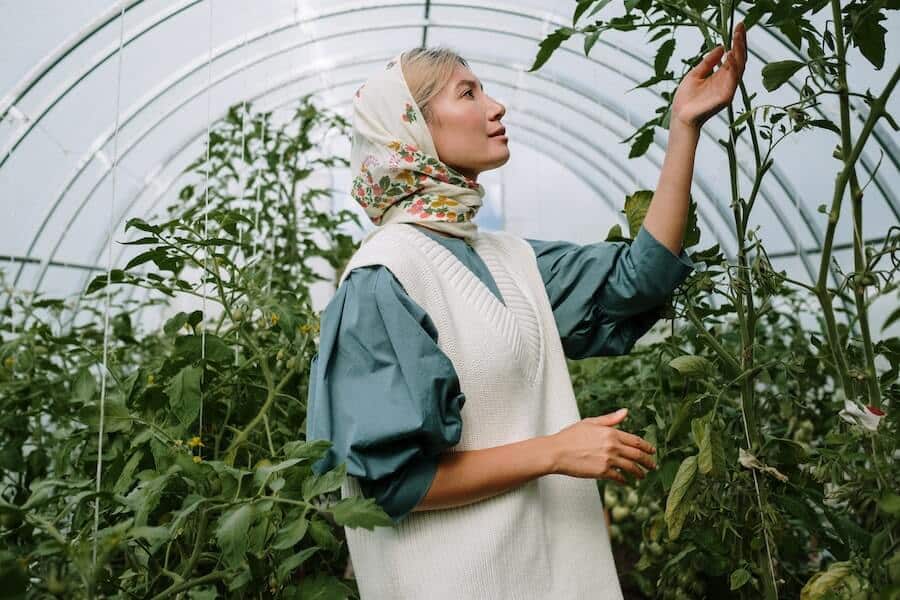
As growers, it is also important that we do not neglect the human side of sustainability. Even when we garden only for ourselves, we can still forge connections and be part of greater change. Growers should all think about:
Sharing Knowledge & Data
The more information growers have, the easier it is to develop sustainable systems. By sharing your own gardening or farming knowledge and data, you can help others to thrive, and to make the changes that it is necessary for them to make.
Sharing Skills & Experience
You can also share your skills and experience, to allow others to join the grow-your-own revolution. Each garden and farm should be viewed a seed from which other food producing systems can grow.
Sharing Seeds, Tools & Other Physical Resources
Growers can also reach out to other growers and help them in more tangible, practical ways. For example, you might join a seed sharing scheme, or create a bank or library for tools and other resources that can be used by others in your area.
Connecting to Your Community For Sustainable Food Production
You can also do your part as a grower to connect with others in your community. Forging stronger connections between all growers and the wider community is crucial to creating sustainable food production for all.
Selling What You Grow
If you are a commercial grower, selling what you grow is not always as straightforward as you may have imagined. If you are a small-scale producer, you will often be locked out of large distribution channels and supermarkets. Is there a selling hub in your area so you can sell your produce to local people? If not, could you consider creating one, either alone or with other local growers? Selling as locally as possible is one great way to boost sustainability.
Sharing What You Grow
If you are not growing commercially, you may still sometimes have excess produce. You could share that with friends and neighbours. You could also reach out to local charities or organisations to donate your extra food. Is there a local food larder where you can leave produce for those in need? Could you cook some of your produce for a community meal?
Community Outreach for Food Producers
One of the major problems in our food systems is the disconnect between growers and most of the population. If you are a farmer or smallholder, or even just a home grower, you might be able to help by providing access to your land for those who do not usually get the chance to see where food comes from.
Political Engagement For Sustainable Food Production In The Future
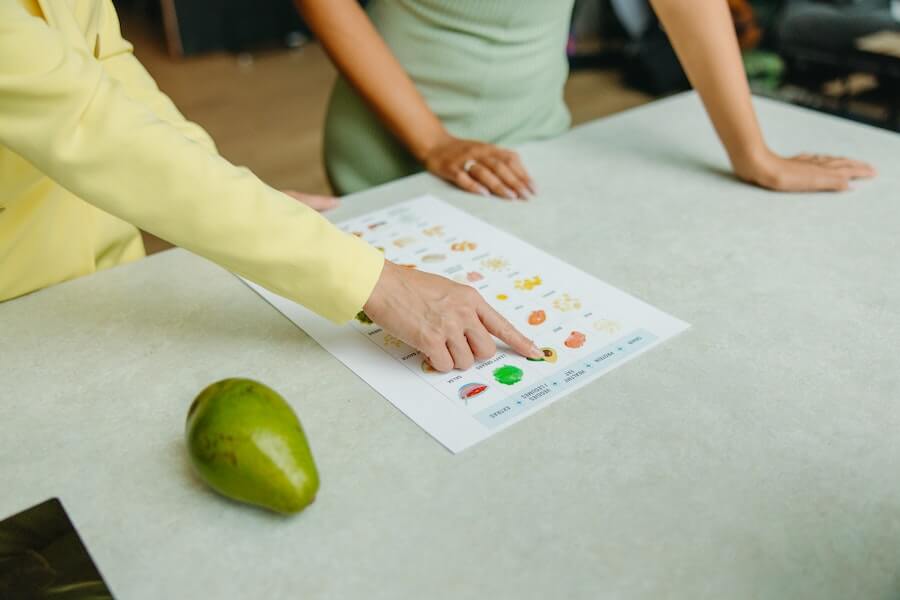
Even if you are not currently able to grow your own food at home, you can still contribute to sustainable food production. You should make sure you are:
Voting For Sustainable Food Production
In each election, keep food security, sustainable food production and the right to food in the forefront of your mind. Vote for the parties and candidates that you think will do most to move us towards a sustainable food future for all.
Lobbying & Activism
You can also go beyond just voting and get more involved in our political system. Lobbying and activism can be powerful, and can allow you to be heard.
Standing Up For A Sustainable Food Future
Standing up for a sustainable food future is all about using your power as an individual to affect change. You can be heard by our political system. Keep the conversation flowing, speak out about the right to sustainable food production and the importance of a sustainable food system. Grow your own if you can, and in the right way. Connect with others to create positive change. Reject harmful food production systems. Where you need to buy food – buy local, seasonal, organic food. Encourage others to do the same.
If we all do our part, a future of sustainable food production is possible. But it will take a lot of work.
What part do you play? What more could you do? Share your thoughts and suggestions in the comments below.
For more information, visit the Sustainable Food Trust.