

Rewilding may sound like a radical concept, something best left to remote landscapes and great rolling estates, but the truth is that anyone with even a small outdoor space can take part.
To rewild your garden is not to give it up to chaos, but to begin a gentle process of listening, observing, and stepping back just enough to allow nature to take a more active role.
As with so much in sustainable living, it begins with a shift in perception — a realignment of priorities that allows the wild to breathe again.
There’s a quiet revolution happening in gardens across the UK. A shift from neatly clipped lawns and regimented flowerbeds to spaces brimming with life, layered with texture, and buzzing with insects.
Rewilding your garden, however, isn’t just a trend. It is a powerful way to reconnect with nature, restore balance, and make a real difference in the face of biodiversity loss. It’s about learning to see beauty in untidiness, to celebrate life in all its messy, magical forms.
Why Rewild Your Garden?
So why rewild your garden? Put simply, it’s one of the most accessible and meaningful things you can do for the environment. We live in a time of ecological crisis. Species are vanishing, habitats are disappearing, and our climate is changing at a frightening pace.
While we often look to forests, wetlands, and wild moorlands for conservation, our own back gardens – be they expansive lawns or humble urban plots – offer a vital opportunity.
When we rewild even a small patch of land, we create a lifeline for birds, bees, butterflies, hedgehogs, and countless other species. We also create a haven for ourselves, where we can slow down, observe, and reconnect.
Why Do Wilder Gardens Matter?
Wilder gardens matter because they stitch together fragmented habitats, creating stepping stones across our increasingly developed landscapes. Every patch of wild, every bramble hedge and wildflower-strewn verge, contributes to a broader ecological web.
It’s about abundance over order, diversity over control. And perhaps most profoundly, it’s about shifting our role from gardeners as dominators to gardeners as caretakers.
Rewilding your garden may feel like a small, local act—but its impact can ripple far beyond the boundaries of your fence. In a time when ecosystems around the world are collapsing under the weight of human activity, rewilding—even on a small scale—contributes to a much broader and more hopeful story.
At its heart, rewilding is about restoring natural processes, supporting biodiversity, and allowing ecosystems to heal and thrive. Globally, biodiversity is in crisis. According to the UN, around one million species are at risk of extinction.
Habitat loss, pollution, and climate change are the main drivers—and while large-scale conservation projects are critical, they can’t do it alone. Our gardens, green spaces, verges, and window boxes collectively make up a vast, often overlooked network of potential wildlife refuges.
By rewilding our gardens, we help rebuild this network. Each wildflower patch, pond, or hedgerow becomes a micro-habitat, part of a larger patchwork that supports pollinators, insects, birds, and mammals. These in turn play key roles in ecosystem services that benefit the entire planet—pollination, water filtration, soil regeneration, pest control, and carbon sequestration, to name just a few.
Pollinators, especially bees, are vital for food security. Around 75% of global food crops rely on animal pollination. Yet pollinator populations are plummeting due to pesticide use and habitat loss. By planting for bees and providing safe, chemical-free spaces, we contribute to global food resilience. What blooms in a garden in Yorkshire can support the same species that pollinate orchards in Kent or wild meadows in Spain.
Rewilding also plays a part in tackling the climate crisis. Healthy ecosystems—forests, peatlands, grasslands, and yes, even soil—act as carbon sinks. A rewilded garden sequesters more carbon than a heavily mown lawn. Trees, hedgerows, deep-rooted plants, and rich soil teeming with microbial life all help draw carbon dioxide from the air and lock it safely underground.
On a social and psychological level, rewilding helps us shift away from extractive mindsets and towards regenerative ones. It encourages community engagement, reconnects us with natural cycles, and fosters a sense of stewardship and hope. Imagine if every school, hospital, and public space embraced rewilding principles—cities would become cooler, greener, more resilient, and infinitely more alive.
What we do in our gardens matters. It matters locally, for the species we see and hear daily. And it matters globally, as part of a broader movement towards healing and harmony with the natural world. Rewilding reminds us that we are not separate from nature—we are part of it. And in nurturing it, we ultimately nurture ourselves and our shared future.
Steps To Take for a Wilder Garden
1. Observe What Is Already There
Rewilding starts not with action, but with observation. Take time to notice what’s already thriving. Are bees drawn to a particular corner? Do blackbirds nest in a hedge each spring?
Watch how the light shifts, where water collects, what returns unbidden year after year. The more you observe, the more you’ll learn to work with the land rather than against it.
2. Let The Grass Grow
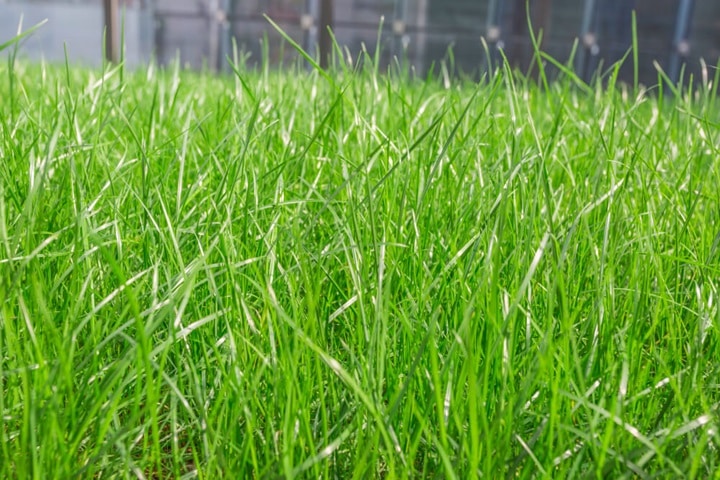
Letting the grass grow is a small act with big consequences. A neatly mown lawn is, for many, a symbol of pride—but it’s also a green desert. Allowing your lawn to grow long, even in patches or along the edges, invites in wildflowers, supports pollinators, and offers cover for ground-nesting creatures. Consider mowing meandering paths through long grass, turning it into a space to explore rather than tame.
3. Embrace Decay
Decay is a natural and necessary part of life. Instead of tidying away every fallen leaf or broken branch, embrace them.
Rotting logs and leaf piles become homes for fungi, beetles, and hibernating animals. Dead wood, in particular, is a treasure trove of biodiversity—supporting more species than live wood ever could.
4. Give Up The Chemicals
Abandoning chemical controls is perhaps one of the most important steps. Pesticides, herbicides, and synthetic fertilisers disrupt delicate soil ecosystems and harm far more than their intended targets.
In a rewilded garden, natural predators like ladybirds and frogs will keep pests in check. Trust the balance. Give up the chemicals and allow nature to heal herself.
5. Grow Food Abundantly
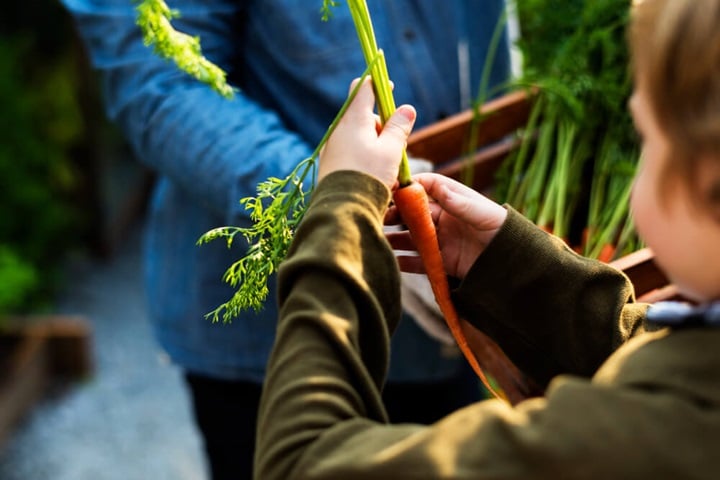
Rewilding can also extend to thinking carefully about how and where we grow food in our gardens.
A ‘wilder’ garden can still produce plenty of yields for us, as well as for the creatures who share our space.
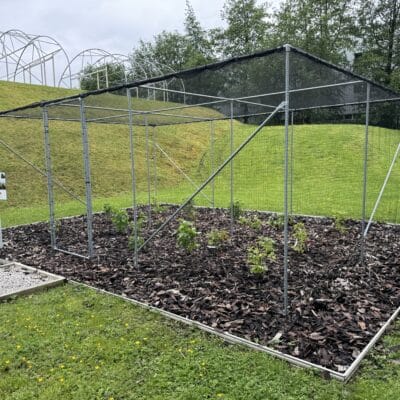
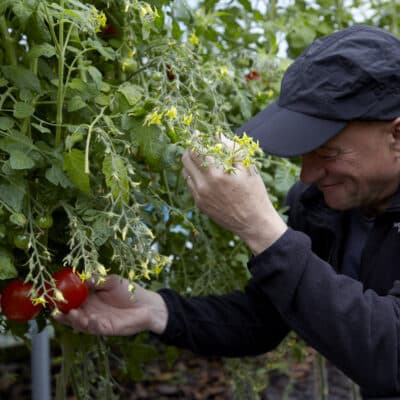
From forest gardening to companion planting in a polytunnel or other vegetable garden, from creating foraging hedgerows perfect for you and for the birds, to embracing edible weeds… there are plenty of ways to make sure a garden is wild but also abundant.
6. See ‘Weeds’ In A New Light
So-called ‘weeds’ are often nature’s first responders—pioneers reclaiming bare soil and feeding insects when little else flowers. Dandelions, nettles, clover—they all have roles to play. Learn to see them with fresh eyes.
Some, like nettles, are vital larval food plants for butterflies. Others, like plantain, offer healing properties for both soil and skin.
7. Embrace Native Trees
Trees, especially native ones, offer so much more than shade and beauty. They support local wildlife, contribute to soil health, and draw down carbon.
A native hawthorn or hazel will hum with life in spring, while a silver birch provides food for over 300 species. If space allows, plant a tree. If space is tight, a multi-stemmed shrub or even a potted patio tree can still work wonders.
8. Create Layers & Embrace Natural Complexity
Think vertically as well as horizontally. A truly wild garden has layers—tall trees, climbing vines, flowering shrubs, low-growing herbs, and ground cover plants all intertwining. Each layer creates different microhabitats, supporting a wider range of life.
Resist the urge to tidy or overly prune. Let natural complexity unfold so that a natural balance and equilibrium can prevail.
9. Choose Plants With Wildlife In Mind
Planting with wildlife in mind doesn’t mean sacrificing beauty. Quite the opposite. Choose nectar-rich flowers like foxglove, yarrow, and knapweed. Let ivy flower and fruit.
Grow native species where possible, but also think about plants that extend the blooming season to support pollinators through early spring and late autumn.
10. Look After The Soil
Healthy soil is the foundation of a thriving garden. Avoid compaction, feed it with compost and mulch, and let plant roots do the work of aeration and structure. Worms, fungi, bacteria—all the unseen workers of the soil—will repay your care tenfold.
11. Go Wild For Water
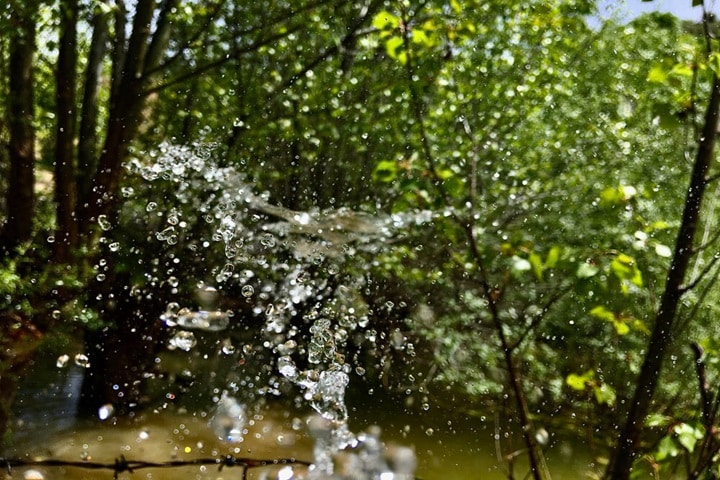
Water is life. Even a small bucket sunk into the ground can become a drinking spot for birds and mammals, a breeding pool for amphibians, or a landing site for thirsty bees.
Think, too, about how you can make the most of all the rain that falls, with a carefully planned garden that will require far less watering and allow precious fresh water to be conserved.
12. Build A Pond
If you can, build a pond. Nothing else will bring so much life so quickly. From dragonflies to newts, pond skaters to water lilies, the biodiversity boom is astonishing!
13. Build Woodpiles
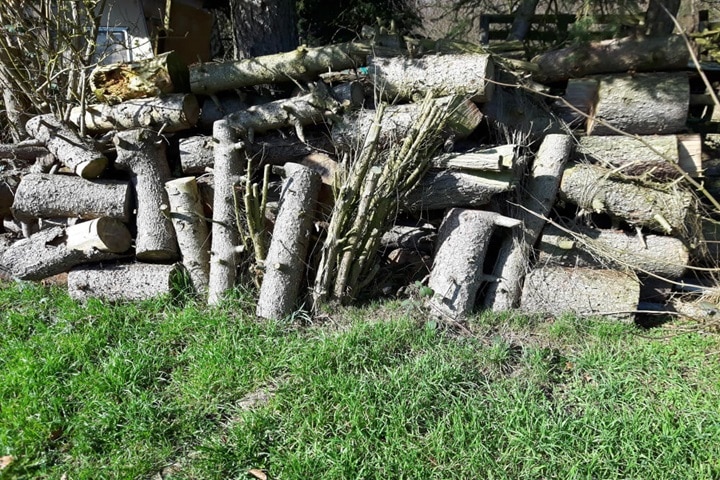
Don’t clear away every fallen branch or trunk—build woodpiles. Stack them in a shady corner and leave them to slowly rot. These structures become homes for stag beetles, toads, and solitary bees. They also make excellent overwintering spots for frogs and insects.
14. Don’t Let Your Garden Be A Fortress
A garden doesn’t have to be a sealed-off space. Walls and fences block wildlife movement. Consider gaps under fences for hedgehogs, climbing plants to link vertical space, or mixed hedgerows that act as corridors between gardens.
A rewilded garden should feel more like a welcome than a barrier.
15. Set Up Wildlife Corridors
Wildlife corridors don’t just connect places—they connect people. Chat with neighbours about how your gardens could work together. Could you all leave a wild patch? Share compost? Plant trees along a shared boundary? As these links grow, so too does the strength of your local ecosystem.
16. Notice The Changes And Spread The Word
As your garden changes, take time to notice. Listen for birdsong. Watch for caterpillars. Smell the damp earth after rain. Rewilding is as much about changing our mindset as it is about changing our planting.
Celebrate small wins, share your experiences, and inspire others. Write about it, photograph it, talk about it at the allotment or school gates.
17. Reduce, Reuse, Recycle

As you set about rewilding your space, remember the principles of reduce, reuse, and recycle. Make use of what you have. Upcycle old containers into planters, use cardboard for mulch, and harvest rainwater.
A rewilded garden doesn’t have to be expensive and will some thought, often projects can cost very little, or even nothing at all.
Rewilding isn’t about giving up. Allow your garden to become a place of sanctuary, for both wildlife and yourself. In a time of crisis, it’s a gentle rebellion, a hopeful act. And it all begins with the decision to let nature take the lead.
FAQs
Which plants are best for attracting birds and bees?
When it comes to attracting birds and bees, native and nectar-rich plants are your best allies. Bees are particularly drawn to single-flowered varieties where pollen and nectar are easy to access—think foxglove, comfrey, yarrow, knapweed, borage, and native clovers.
Long-flowering herbs like thyme, lavender, and marjoram not only support pollinators but also provide fragrance and flavour for your kitchen.
For birds, consider planting seed-bearing plants like teasel, sunflowers, and rudbeckia, as well as berry-producing shrubs such as hawthorn, rowan, and elder. Letting ivy mature is also excellent—it flowers late and provides both food and shelter through winter.
How can I provide water for birds and bees in my garden?
Water is essential for all wildlife. A pond is ideal—even a small, shallow one will bring in frogs, newts, dragonflies, and more.
If a pond isn’t possible, place shallow dishes or upcycled containers filled with fresh water around the garden. For bees and other insects, add small stones or marbles inside so they have a place to safely land and drink.
For birds, birdbaths kept clean and topped up throughout the year are vital, especially in dry spells or during freezing weather. Rainwater, collected in a butt, is better for wildlife than tap water when topping things up.
What common mistakes should I avoid when rewilding my garden?
One of the biggest mistakes is doing too much, too fast. Rewilding is a process—start by observing and allowing nature to take the lead rather than making drastic changes. Avoid over-clearing or “tidying up,” as dead wood, leaf litter, and even brambles have ecological value.
Introducing non-native or invasive species can do more harm than good, so focus on plants suited to your local climate and soil. And don’t forget that balance matters: even in a wilder garden, some management is necessary to keep things from becoming impenetrable.
Think of it as gentle guiding rather than heavy-handed control. Basically, we human gardeners in a rewilded space are playing the role other large mammals would play in natural ecosystems. Lastly, avoid using chemicals—they disrupt the very life you’re trying to nurture. Patience, observation, and a light touch are your best tools.
Sources
Krane, J., (2024) 8 Surprising Benefits of a No-Mow Lawn. Better Homes & Gardens. [online] Available at: https://www.bhg.com/gardening/yard/lawn-care/no-mow-lawn/ [accessed 23/04/2025]