

You may imagine that it will cost a fortune to get your garden looking the way you want it. But there are many budget-friendly ideas that will allow you to get much closer to your dream garden without spending much money at all. Here’s how to make your garden look nice with no money…
1. Propagate Existing Plants
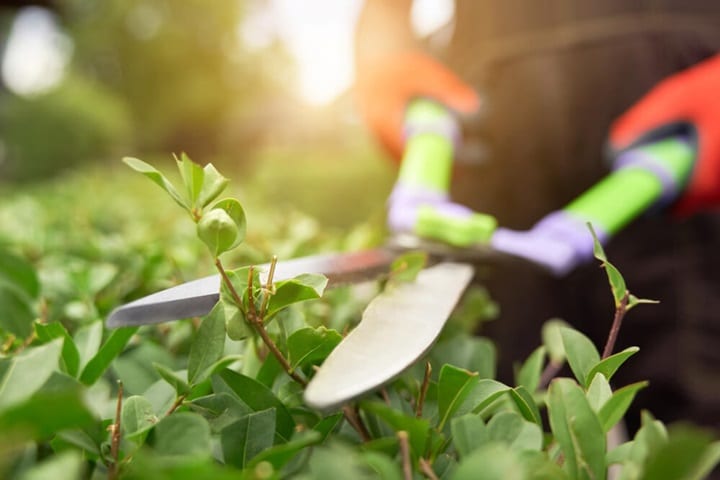
Of course, the plants in a garden are what truly make it. Gardens should be as plant-filled as possible – not just for visual appeal but for the environment, and for the wildlife with which we share our space.
Most of us will not be starting with an entirely blank slate, and that gives us an advantage. Any plants we already have in the garden that we like, we should be able to propagate to make new plants for free.
Grow from Seed
One means of propagation is growing from seed. There are many different seeds that you might be able to collect for free to use in your garden.
Even where you do have to buy, sowing and growing from seed is usually the cheapest option. It is far more affordable to purchase or source seed and do the work than it is to purchase plants at a later stage of growth.
Take Cuttings
You can also often take cuttings from existing plants – either softwood cuttings, semi-ripe cuttings or hardwood cuttings depending on the time of year and the best strategy for the plant or plants in question.
Plant and Divide
Some existing plants can also simply be lifted and divided – taking a portion of the root system and above ground growth to plant elsewhere and replanting the rest.
2. Set Up a Plant and Seed-swapping Get Together
Even where there are not existing plants that we like, or we are starting from scratch, we may still be able to save a huge amount of money by asking whether we can propagate from plants in friends and family’s garden that we admire.
We might also be able to set up a community seed or plant swaps, to make new friends and get new free plants from one another into the bargain.
3. Use Online Forums to Find Free Items
Not only can you sometimes find free seeds and free plants through online forums, you can also often find other garden items advertised for free – frequently for those who will go and pick them up themselves.
4. Join Online Communities for Tips
One other thing that you can get for free that you might take for granted but which is important nonetheless is knowledge. Of course there are many excellent resources online to help you learn about a range of different plants and gardening topics.
By joining online gardening communities, especially those with gardeners in your specific area, you can learn a lot from other gardeners who are likely to be dealing with conditions similar to those in your own garden.
5. Search for Garden Bargains
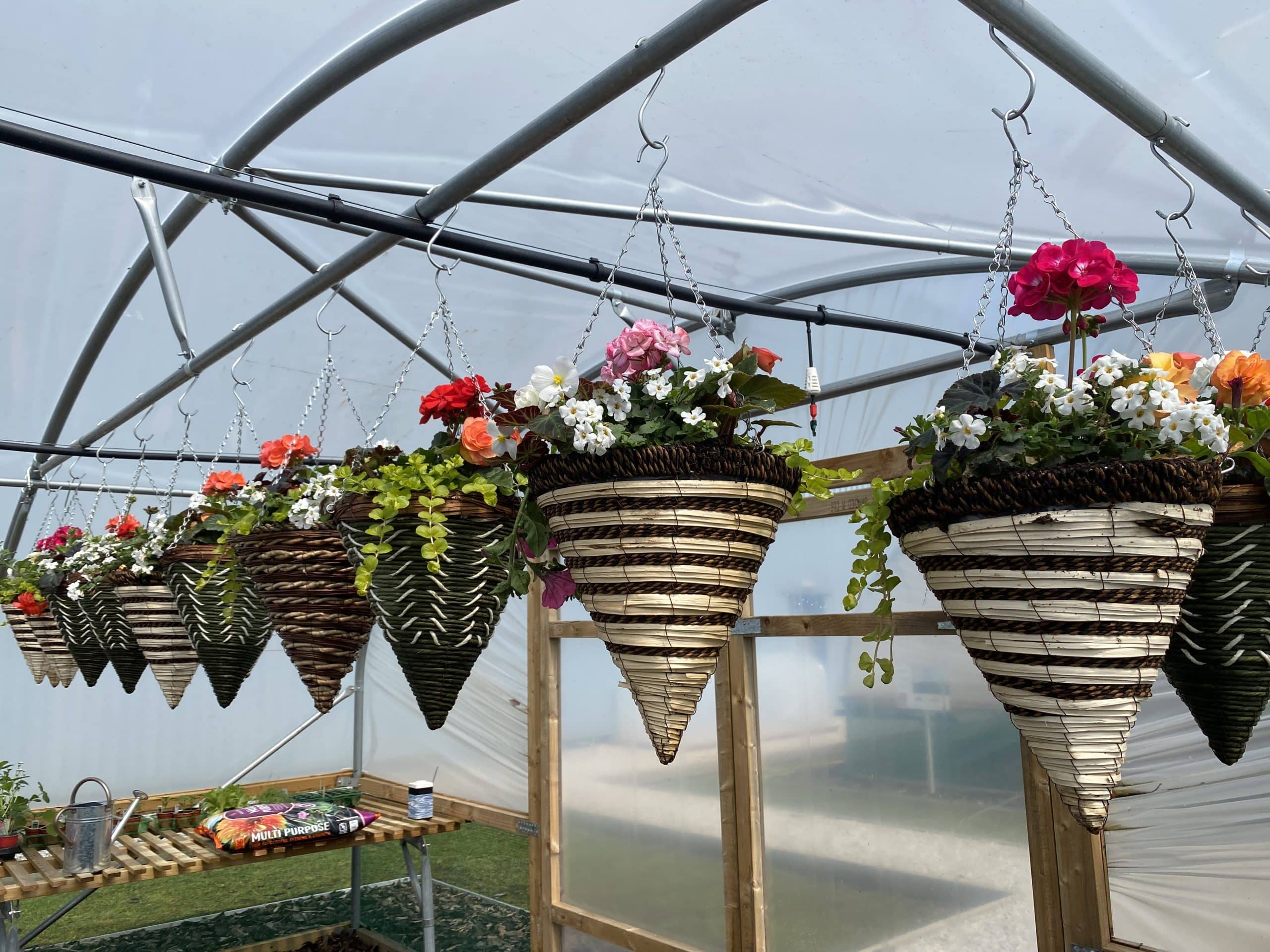
It is also worthwhile keeping a close eye on promotional deals in supermarkets, garden centres and plant nurseries. Often, you may see deals such as those where you can buy one plant and get one free of charge. As long as the plants are definitely healthy and pest free, these deals could also help you to improve your garden.
6. Tree Love
Planting a tree is one thing that can really transform a garden. It will of course be more expensive to purchase a tree than to purchase seeds – but buying a sapling or small tree for your space will offer a massive return on your investment. The right tree in the right place will enrich your life for many years to come.
While most gardens will have the space for 3-5 smaller trees at most, when you select the right species you can also save money by producing food and other things you need. Even the smallest garden might often have space for a single fruit tree – especially if you consider trained tree options to make the most of your garden.
7. Perennial Planting
As well as thinking about trees and shrubs that won’t cost much in the greater scheme of things, it is also worthwhile thinking about other perennial plants that will remain in your garden over multiple years. Longer lived perennials can be great choices for a budget-friendly gardener because they will also continue to reward the original expenditure for a number of years to come.
Some useful perennial native plants may even end up in your garden free of charge if you let them. Wildflowers and plants considered ‘weeds’ can often be gifted to your garden by wind or by birds and other wildlife if you leave space to allow nature to take charge. Doing nothing can in some instances be the very best way to improve your garden.
8. Use Self-Seeding Flowers

Annual and biennial self-seeders will also, of course, be among the plants that will populate areas of your garden if you allow nature to do its thing in certain areas. In my garden, foxgloves are among the beautiful native plants that I have not sown myself, that I get to enjoy in my garden each year because I allow some wilder areas to thrive.
Planting or sowing self-seeding plants can also be a budget-friendly and money-conscious choice since plant or sow them once and you will be able to enjoy these self-seeding species for many more years, since they will plant themselves and proliferate through your garden.
9. Make Your Own Plant Pots and Containers
Before you buy anything for your garden, or make any decisions about what your garden will be, remember that we should always:
- Refuse (harmful or damaging products, things we do not really need).
- Reduce (our overall consumption – being mindful about everything we buy).
- Reuse (thinking circular – avoiding waste).
- Repair (make do and mend).
- Recycle (at home and through commercial/ municipal systems).
- Reciprocate (give back to natural systems, our communities, wildlife etc…)
- Regenerate (aim to leave thing not just as we found them, but better).
Following these guidelines will not only allow you to garden more sustainably, in a more eco-friendly way, it will also allow you to save a lot of money too.
Reuse Plastic Bottles etc…
One easy way to get started with these seven ‘R’s is by avoiding importing more plastic into your life, and instead making your own plant pots and containers for plant propagation etc…
Rather than buying new plastic plant pots, you can reuse old ones. You might also reduce waste by reusing food packaging and plastic bottles as seed trays, small pots and cloches before you send them for recycling.
We should all try to avoid bringing plastic into our homes as much as we can – especially single-use plastics. But we can reuse items we have not been able to avoid for as long as possible.
And there are other non-plastic items that we can also reuse rather than sending them to landfill. Many items might be useful in a range of different ways in our gardens – from toilet roll tubes, to old kitchen pots, to old clothes…can be used as pots and containers for your garden, to make your own DIY hanging baskets, and more.
Use your imagination and you will find that you have more free resources at your disposal than you originally thought if you consider items that might otherwise have been thrown away.
10. Make Your Own Garden Furniture and Ornamentation
Reclaimed materials and reused items can also come in handy when you are considering other elements that you would like to have in your garden.
Plants are, of course, the main element that you should be thinking about to create an abundant, productive and beautiful garden space. But adding recreational elements and personal touches are the things that can turn a space from a garden to a true part of your home.
Many things that might otherwise have been thrown away can be put to good use in your garden. Things no longer of use inside your home can often enjoy a second life in your garden – as furniture for seating or dining areas, perhaps, or as ornamentation.
Reclaimed wood, for example, can be used for bed edging, to make benches or seating areas… and more. (Wood pallets are often used but other reclaimed wood could work.) Old tables or chairs can be upcycled and used in the garden, even when you no longer want them in your home.
11. Make Your Own Garden Structures
Using the same DIY approach, you can use reclaimed materials to make your own garden structures almost entirely for free. Again, taking reclaimed wood as an example, it might be used to make your own trellis or fencing, bed edging, decking… even your own garden shed or other garden building.
Using old windows and doors to make a greenhouse is one other well-known example. Using your imagination and things you already have or can source for free, there is practically no limit to what you might build while spending very little money overall.
12. Use Affordable Materials for Landscaping
Remember, there are also many natural materials that you might use to create new structures and growing areas in your garden.
As well as using reclaimed materials to create the structure and surfaces of your garden, you might also consider natural materials.
Natural branches (fallen or pruned), perhaps chipped to create wood chip, leaf mulch, natural rocks and stones… these are just some freely available natural materials that will be very useful when building and improving your garden on a budget.
Keeping things more natural and using what you have is the best idea when you have little money to spend. Choose to spend on planting rather than on expensive paving or decking.
13. Make Your Own Compost
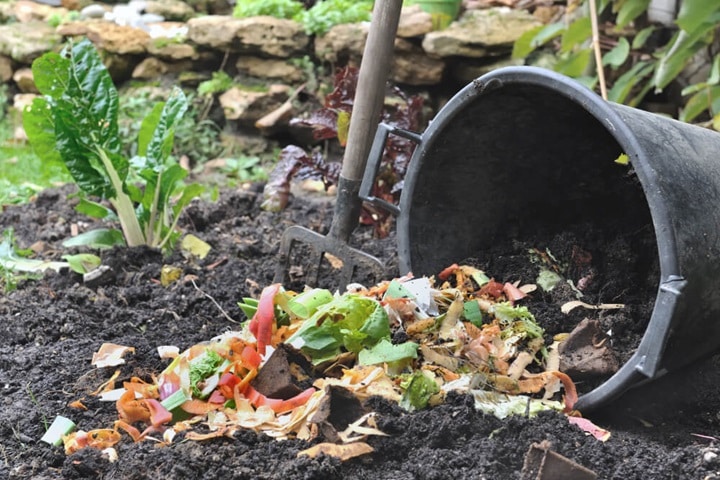
Making your own compost at home is one of the most important steps you can take towards becoming a better and more sustainable and eco-friendly gardener. It can also save you money and help you to create and improve your garden, and maintain it more affordably over time.
You can compost in place, layering up organic materials to make new raised beds and growing areas. You can improve existing planting schemes by using compost as a mulch for soil improvement.
You can also use homemade compost, alongside leaf mould and other DIY materials, as an ingredient in homemade potting mixes, and use it to make an organic liquid plant feed known as compost tea. A homemade compost just keeps on giving.
14. Start a Vegetable Patch
Growing at least some of your own food at home can save you money and help you eat healthier. To save money on starting your vegetable patch, remember to look for sources of free seeds and when you do buy seeds, buy wisely. You can also grow some vegetables from scraps.
Follow some of the tips above to make sure that you do not need to spend much money at all to get your growing efforts off the ground.
Where you do spend, spend on items like polytunnels that can really offer excellent returns for your investment by allowing you to grow your own year-round and have fewer weather-related losses.
15. Welcome Birds and Other Wildlife
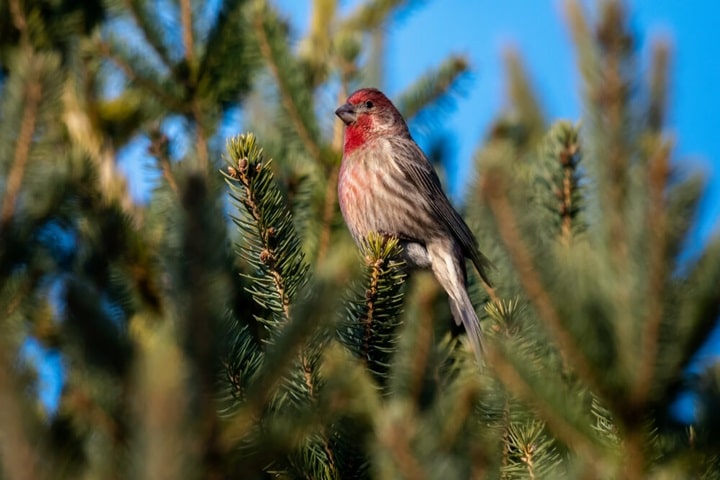
As a gardener, it is important to remember that whether you know it or not, you are not the only one who gardens. Birds and other wildlife also alter the world around them – shaping it in different ways. In any organic garden, you will have an army of often hidden helpers who will quietly do their work and help you to keep nature’s cycles turning as they should.
The more you can plant and create habitat to welcome in wildlife in your garden, the fewer external inputs your garden will need and the more beautiful and resilient it will be. Gardening organically and doing all you can to boost biodiversity can save you a lot of money trying to fix problems down the road.
DIY Garden Pond
Creating a garden pond is one of the very best ways to encourage more wildlife into your space. If you can use natural clay rather than purchasing a pond liner, or can make use of reclaimed materials, then creating one might not cost anything at all.
FAQs
How can I make my garden nice for free?
Cooperate with others, propagate existing plants, and make full use of natural and reclaimed materials that you can source free of charge.
How to do a garden cheaply?
Make the most of what you already have. Use natural and reclaimed materials. Focus on small, slow solutions, prioritizing planting over expensive paving or decking.
How can I get a free garden makeover?
Look out for competitions online or on TV, and join local gardening or community groups who may sometimes be able to help.
How do I make my garden look posh?
Gardens in wealthier areas tend to be more established. To make your garden look posh, focus on planting – adding as many plants as possible in layered schemes for a lush, expensive look.
Sources
Lowin, R., Allsopp, A., Horton, M., (2022) 21 Best Garden Ornaments That Aren’t Gnomes. Country Living. [online] Available at: https://www.countryliving.com/gardening/garden-ideas/g25402926/best-garden-ornaments/