

If you are new to gardening, it can be difficult to know where to begin. These ten tips should help you to set out in the right direction, and should give you the best chance to succeed over time:
1. Plant for Place
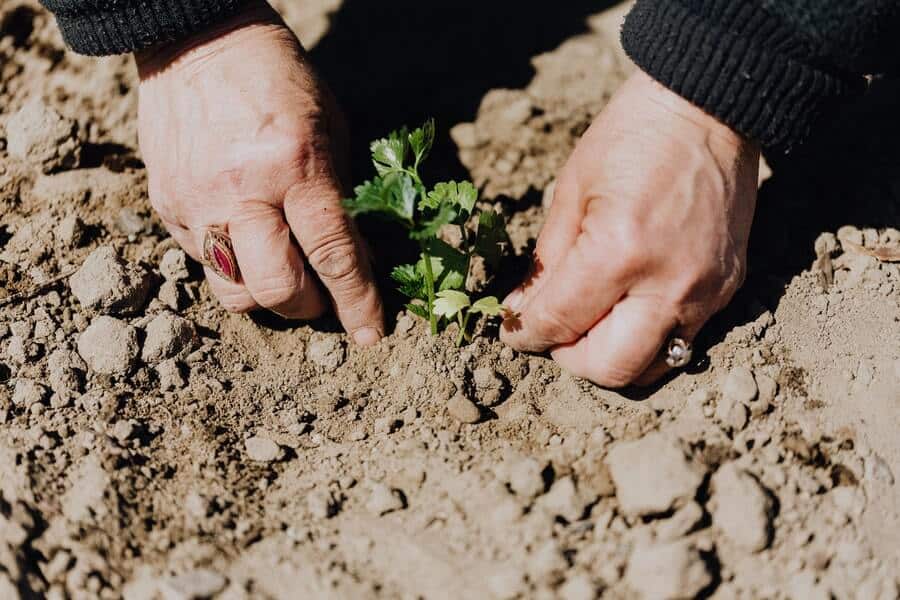
The most important thing to understand if you are new to gardening is that where you live and where specifically you are gardening should always dictate all the decisions you make. Each choice you make regarding how to grow and what to grow should be made with reference to the environmental conditions where you live.
You need to have keen observational skills as a gardener, and that begins with looking at the basics wherever you are – the climate and microclimate – the sun and shade, wind and water, and, the soil. All good gardens come back to a good understanding of these things.
2. Planning and Preparation are Key
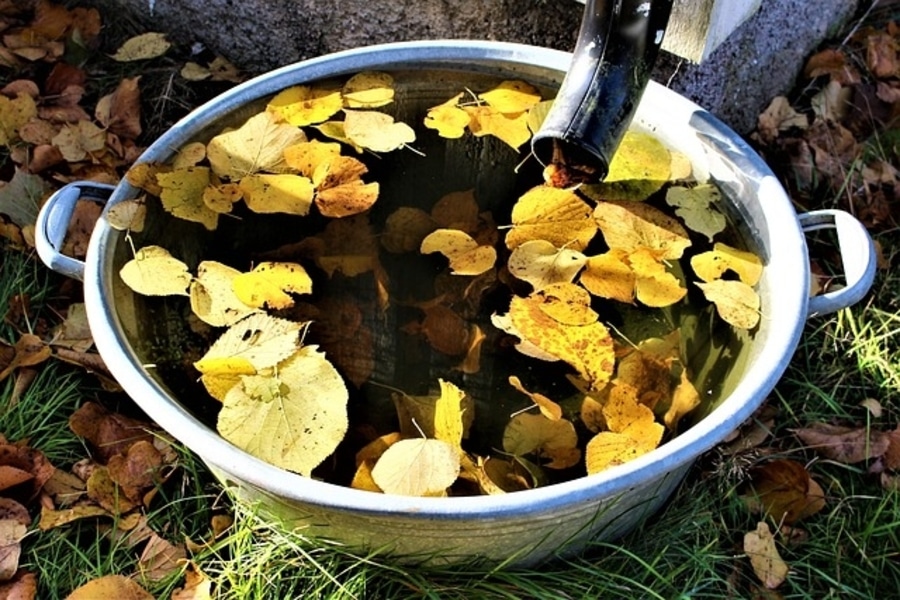
As a new gardener, it is important not to be too quick out of the starting gate. Before you even purchase any seeds or plants, there are some key planning and preparation to take care of. It is important in any garden to take a holistic view.
Planning is not just about planning the sowing and planting schedule for the gardening year (though this is one job on the agenda). It is also about getting systems in place from the outset that will help you to maintain your garden over time. This includes the key basics of a composting system, and rainwater harvesting and good water management. Get these basics sorted and lots of other things will fall into place.
It is also important to create an overall design plan for your space. If you don’t, you may find that you make some costly mistakes that have to be rectified moving forwards. You need to make decisions about what type of garden you want to create, and exactly how and where you will grow. In designing the space, you need to think about the big picture and broader patterns before you hone in on the details.
3. Set Goals From the Outset
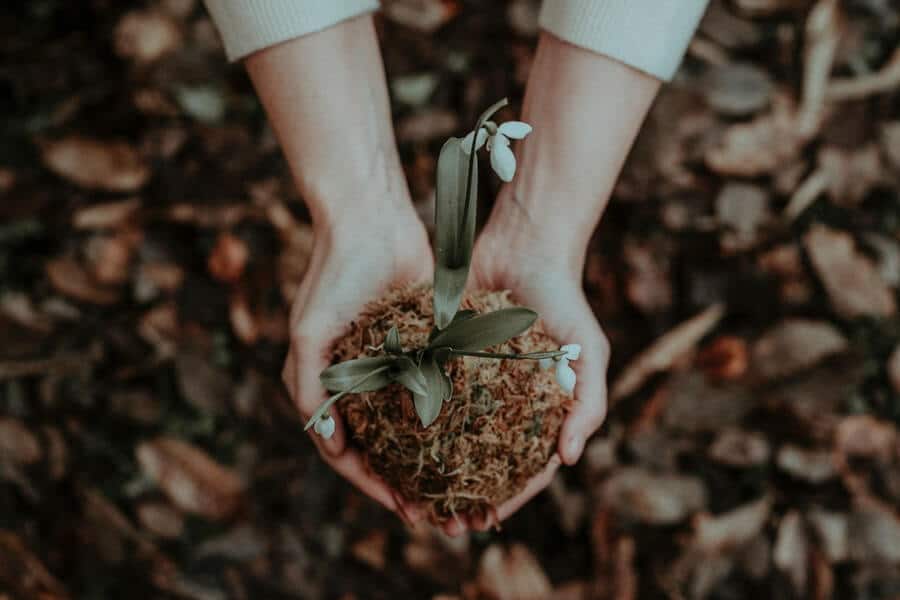
Taking a holistic view and designing a plan for the garden overall before you begin also means taking a good, long look at what you actually hope to achieve. Slow and steady wins the race, and you might not achieve all your goals at once. But having a clear vision can help you see where you are succeeding, and what still needs to be done.
Having clear goals from the very beginning can help you to tick off each milestone along the way and slowly work your way towards your dream garden.
4. Build Skills and Knowledge Over Time
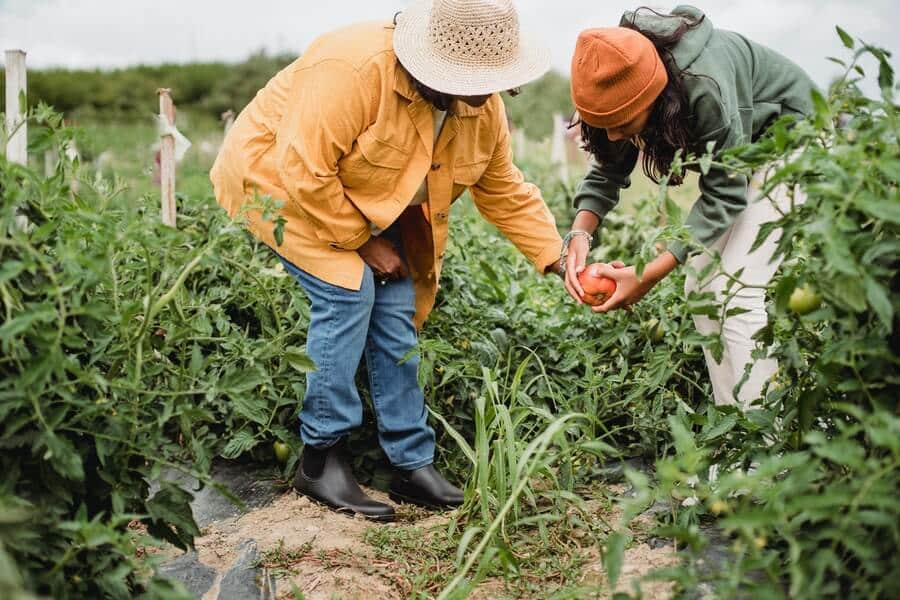
As a new gardener, you won’t know everything you need to know all at once. In fact, even the most experienced of gardeners can never know it all. So as a gardener, it is important to understand that you will be on an ongoing journey of learning, knowledge building and discovery.
There are plenty of ways to learn as a gardener – from reading articles and books, to watching programmes and listening to experienced gardeners. But of course, a lot of what you learn as a gardener will come through actual, hands-on experience.
You can learn in your own space, in your own garden or on your own allotment, of course. But you might also volunteer to learn more from others, and reach out to others in your community so that you can learn and grow together. Remember, as a new gardener, you do not always have to go it alone.
5. Create Closed Loop Systems
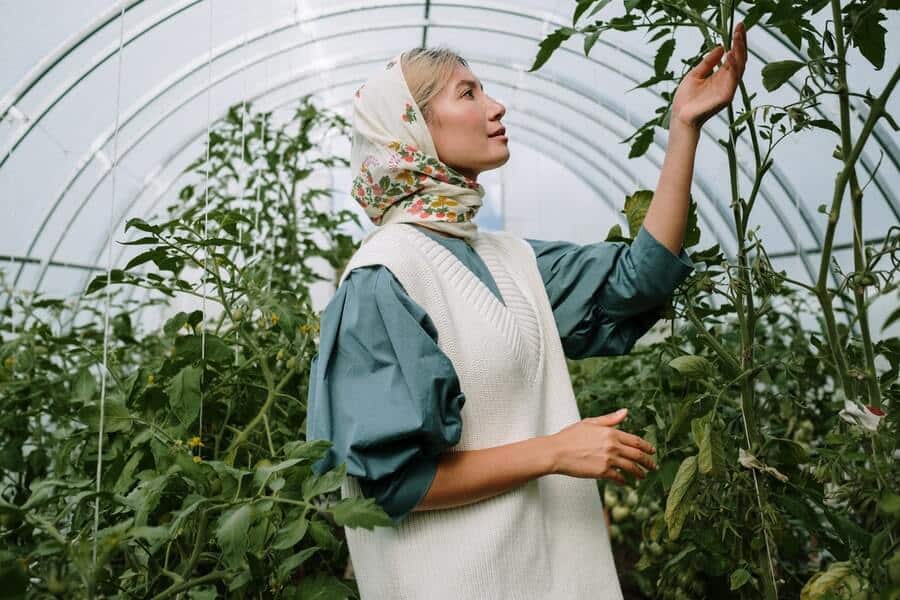
Gardeners should always garden organically, to do the right thing for people and planet. But it is important to understand that successful organic gardening is not just about avoiding harmful pesticides, herbicides and synthetic fertilisers.
Organic gardening is also about taking a big-picture view – creating sustainable systems in your garden which really can work in harmony with nature and stand the test of time.
One element of this involves making sure that a garden itself can provide all that is needed to keep it thriving over time. Organic gardeners should create closed loop systems – channelling excess back into the system through mulching, composting etc.. with materials grown in the garden, and eliminating all forms of waste. By making the most of nature’s cycles and understanding how to harness them, we can make sure our gardens can thrive with few, if any, external inputs.
6. Make the Most of Space and Time
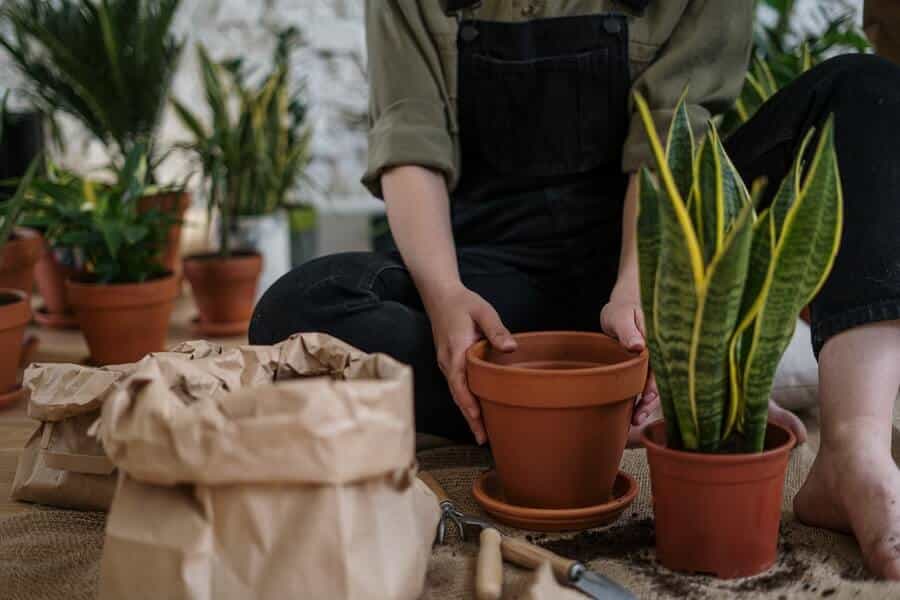
As a gardener, you might be tending a space which is large or small. No matter how large or small your garden may be, however, you should always aim to make the most of both space and time.
Making the most of the space available might include, for example, layering planting, or creating structures for vertical growing. It might also involve making the most of marginal spaces and forgotten corners to increase the yield you can achieve.
Making the most of time means thinking about how you can extend the growing season and perhaps even grow year-round. Adding a greenhouse or polytunnel, for example, might maximise yield by extending the growing time in your garden. Things like successional sowing and careful planting schedules can also make sure you make the most of all the time available.
7. Think Holistically – Create Synergy
In an organic garden, as mentioned above, we are aiming to look at the big picture and think holistically. Each decision you make about particular elements to include in your garden, or the planting, should be made with reference to the whole.
Think carefully about how an individual element will add to the system in your garden, and what exactly it will bring. With each plant choice, look not only at the plant itself and its needs, but how it will interact with its neighbours in beneficial or non-beneficial ways.
Your goal should always be to create synergy. In other words – the combination of two things which, in bringing them together, brings more positive outcomes overall. Each element and plant in your garden should add something in combination to the other elements and plants. Each element should have multiple functions and work well within the garden overall.
8. Value and Incorporate Diversity
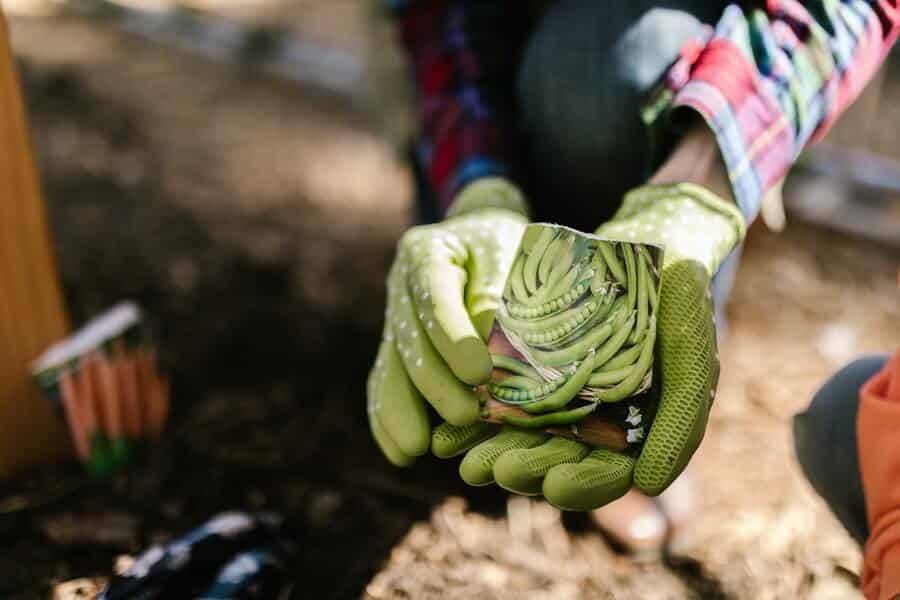
In creating synergy and working with nature rather than fighting it, biodiversity is key. In an organic garden, we always value diversity and aim to incorporate as much of it as possible. Biodiversity brings immense benefits in a garden, as in our world overall, and biodiversity losses are as much a threat to us and our planet as global warming.
The more variety in the plants in our garden, the better. But the key is not simply to cram in as many random plants as possible, but to maximise the beneficial interactions between plants. The more beneficial interactions there are in a system, the more stable and resilient it will be. This of course means that diversity is also good for us – introducing variety means that even when one thing goes wrong, there will still be plenty of successes, and you won’t be putting all your eggs in one basket.
9. Embrace Your Garden Helpers
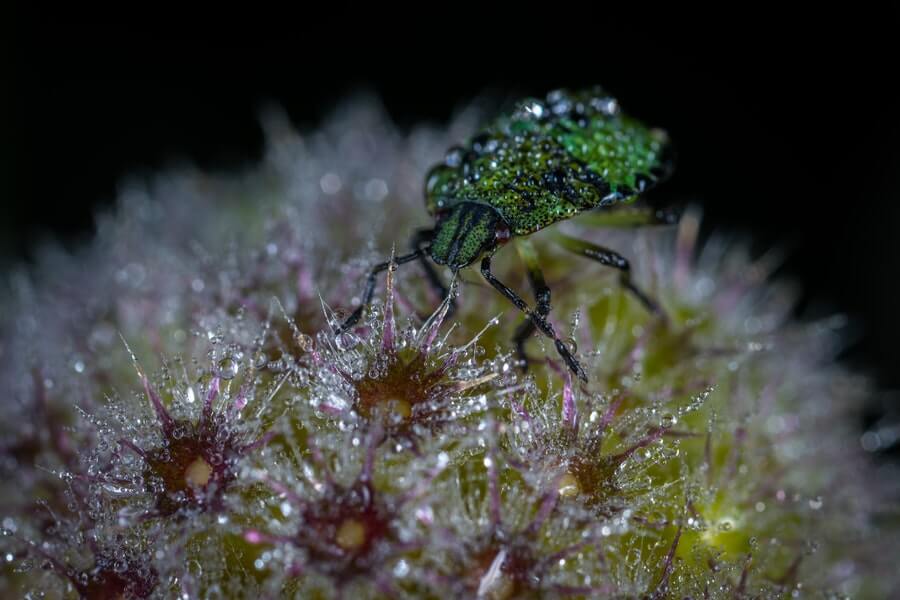
New gardeners often tend to view insects and other ‘pest’ species as the enemy. But it is important to understand that even slugs and aphids and such have their place – a crucial place in the ecosystem of your garden.
Our goal as organic gardeners is never to rid ourselves of certain species altogether – but rather to manage them effectively and recognise their place within the whole. Without the pests, we would not have their predators such as garden birds and ladybirds, for example – those useful species which help us keep pest numbers down and keep them in balance.
For pollination, for pest control, and for a huge range of other services, we rely on the wildlife around us. As gardeners, we should always remember that we should welcome wildlife into our spaces and do what we can for them as well as for us. We should always keep in our minds that we are not the only ones who garden. The wildlife in our gardens also shapes the space in a range of different ways.
10. Think Long Term

Keeping all of the above in mind, new gardeners should also always remember that success means thinking long term. Many new gardeners make the mistake of thinking only as far as the first summer harvests. But looking beyond that, into the future, is key to becoming a better gardener.
Even the most green-fingered can fall short if they fail to think long term. It is crucial to look at the changes that are likely to come. As far as possible, we should plan, prepare and design for those changes – and integrate the ability to adapt to changes foreseen and unforeseen as they occur.
By thinking long term we can achieve the best results for ourselves as gardeners, and for the wider world.