

Starting a garden vegetable patch inside a polytunnel is one of the simplest ways to grow more food reliably in the UK climate. The protected environment makes it easier to extend the growing season, protect crops from bad weather, and create better growing conditions throughout the year.
Even if you are completely new to growing your own, a polytunnel can make the process feel far more manageable. With a sensible layout, healthy soil, and a few carefully chosen crops, it is possible to create a productive space that provides harvests for much of the year.
In this guide, I’ll walk through how to plan a garden vegetable patch inside a polytunnel, including layout ideas, soil preparation, crop selection, watering, and common mistakes to avoid.
If you are considering a new setup, these domestic polytunnels for growing your own vegetables can help create a far more reliable growing environment.
Key Takeaways
- A polytunnel creates a more controlled environment for growing vegetables
- Simple bed layouts improve access and make maintenance easier
- Healthy soil is essential for a productive garden vegetable patch
- Beginner-friendly crops help build confidence quickly
- Succession planting can keep harvests going for much of the year
What Is a Garden Vegetable Patch in a Polytunnel?
A garden vegetable patch inside a polytunnel is simply a dedicated growing area protected beneath a covered structure. Instead of relying entirely on outdoor conditions, crops grow in a more sheltered environment with improved warmth and protection.
Compared to an outdoor vegetable patch, a polytunnel offers:
- Better protection from heavy rain and strong winds
- Warmer temperatures during cooler months
- Reduced risk of frost damage
- Longer growing seasons
- More reliable harvests
I’ve found that beginners often gain confidence much faster under cover because conditions are more forgiving. Seedlings establish more easily, crops grow more consistently, and setbacks from poor weather are usually reduced.
The environment also allows gardeners to grow crops earlier in spring and continue harvesting later into autumn and winter.
Why Use a Polytunnel for Your Vegetable Patch
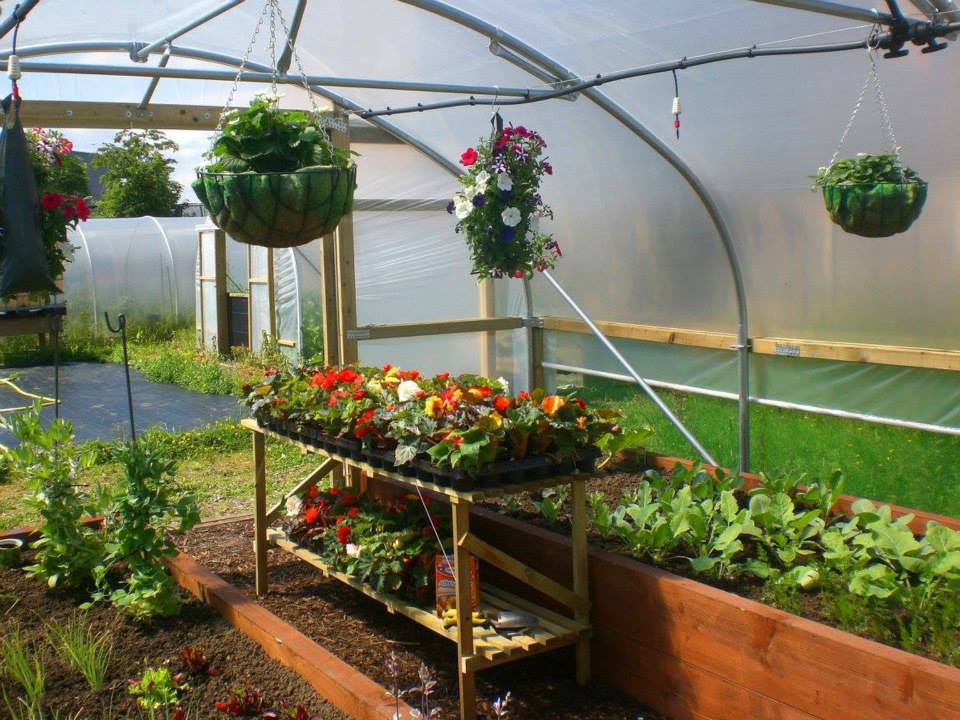
The UK climate can be unpredictable at the best of times. A polytunnel helps smooth out some of those challenges and creates a far more stable growing space.
Benefits of Growing Under Cover
- Extend the growing season significantly
- Protect crops from wind and heavy rainfall
- Reduce weather-related damage
- Improve consistency of growth
- Harvest crops earlier and later in the year
- Create warmer conditions for tender vegetables
In my own growing spaces, one of the biggest advantages has always been reliability. Even during difficult seasons outdoors, crops inside the tunnel tend to remain productive.
If you are planning a new setup, these domestic polytunnels for growing your own vegetables can make year-round growing far easier.
Key Point: A polytunnel does not eliminate gardening challenges entirely, but it gives you much more control over growing conditions.
Planning Your Vegetable Patch Layout Inside a Polytunnel
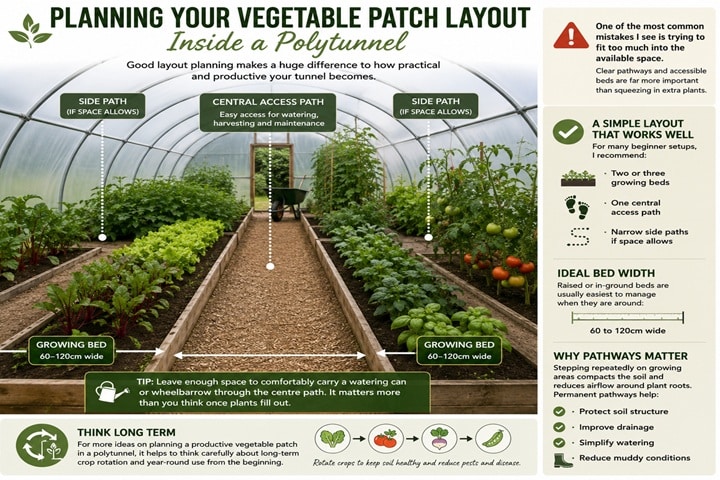
Good layout planning makes a huge difference to how practical and productive your tunnel becomes.
One of the most common mistakes I see is trying to fit too much into the available space. Clear pathways and accessible beds are far more important than squeezing in extra plants.
A Simple Layout That Works Well
For many beginner setups, I recommend:
- Two or three growing beds
- One central access path
- Narrow side paths if space allows
This creates a manageable layout with easy access for watering, harvesting, and maintenance.
Ideal Bed Width
Raised or in-ground beds are usually easiest to manage when they are around:
- 60 to 120cm wide
That allows you to reach the middle comfortably from either side without stepping onto the soil.
Why Pathways Matter
Stepping repeatedly on growing areas compacts the soil and reduces airflow around plant roots.
Permanent pathways help:
- Protect soil structure
- Improve drainage
- Simplify watering
- Reduce muddy conditions
For more ideas on planning a productive vegetable patch in a polytunnel, it helps to think carefully about long-term crop rotation and year-round use from the beginning.
Tip: Leave enough space to comfortably carry a watering can or wheelbarrow through the centre path. It matters more than you think once plants fill out.
Choosing the Right Location and Setup
Where you place your polytunnel affects productivity just as much as what you grow inside it.
Checklist for Choosing a Good Position
- Choose the sunniest area available
- Avoid locations shaded by trees or buildings
- Ensure easy access to water
- Allow space around the tunnel for maintenance
- Position the structure to maximise light exposure
- Avoid poorly drained ground if possible
In many UK gardens, orientating the tunnel north to south helps distribute light more evenly throughout the day.
Ground preparation is also important before installation begins. Removing perennial weeds and improving drainage early saves a great deal of work later on.
Preparing Soil for a Productive Vegetable Patch
Healthy soil is the foundation of any successful garden vegetable patch.
Inside a polytunnel, soil often warms earlier and dries more quickly than outdoors, so building good structure and water retention becomes especially important.
Step 1: Clear the Area
Remove weeds, stones, and old debris before creating beds.
Step 2: Add Organic Matter
I usually add generous amounts of:
- Homemade compost
- Well-rotted manure
- Leaf mould
- Organic soil improvers
This improves both fertility and soil structure over time.
Step 3: Improve Drainage
If the soil feels heavy or compacted:
- Add organic matter regularly
- Avoid walking on beds
- Consider raised beds if drainage is poor
Raised Beds vs In-Ground Beds
| Type | Advantages | Considerations |
|---|---|---|
| Raised beds | Better drainage, easier access, warmer soil | Need more compost initially |
| In-ground beds | Hold moisture well, lower cost | Can compact more easily |
In smaller tunnels, raised beds can also help define pathways and create a tidier growing layout.
What Vegetables Grow Best in a Polytunnel Patch
One of the pleasures of growing under cover is the wider choice of crops available. For beginners, I always suggest starting with reliable vegetables that provide regular harvests and visible progress quite quickly. For more inspiration on what vegetables can you grow in a polytunnel, it helps to combine quick-growing crops with longer-season favourites.
Beginner-Friendly Vegetables
| Crop | Difficulty | Best Season | Space Needed |
|---|---|---|---|
| Lettuce | Easy | Spring to autumn | Small |
| Radishes | Easy | Spring and autumn | Very small |
| Tomatoes | Moderate | Summer | Medium |
| Cucumbers | Moderate | Summer | Medium |
| Spinach | Easy | Autumn to spring | Small |
| Peppers | Moderate | Summer | Medium |
| Spring onions | Easy | Most of year | Small |
| Beetroot | Easy | Spring to autumn | Medium |
Quick-Win Crops
If confidence is low at the start, these usually provide good early results:
- Salad leaves
- Radishes
- Spinach
- Spring onions
- French beans
Fast-growing crops help maintain enthusiasm while slower plants establish.
How to Plan Year-Round Planting in Your Patch
One of the biggest advantages of a polytunnel is the ability to keep beds productive for much longer. Succession planting simply means sowing crops at intervals so harvests continue steadily rather than all at once.
Simple Succession Planting Ideas
- Sow salad leaves every few weeks
- Follow summer crops with winter greens
- Replace harvested plants quickly
- Use empty spaces for fast-growing crops
Basic Seasonal Rotation
| Season | Typical Crops |
|---|---|
| Spring | Salads, spinach, early carrots |
| Summer | Tomatoes, cucumbers, peppers |
| Autumn | Beetroot, chard, lettuce |
| Winter | Winter salads, kale, herbs |
A good month-by-month polytunnel growing guide can make planning much simpler, especially during the first year.
Key Point: Empty soil is a missed opportunity in a polytunnel. Even small gaps can often support quick salad crops or herbs.
Watering, Ventilation and Maintenance
Polytunnels create protected growing conditions, but they also need regular management.
Ventilation Matters
Poor airflow can quickly lead to:
- High humidity
- Fungal problems
- Poor pollination
- Increased pest issues
Open doors and vents regularly, especially during warm weather.
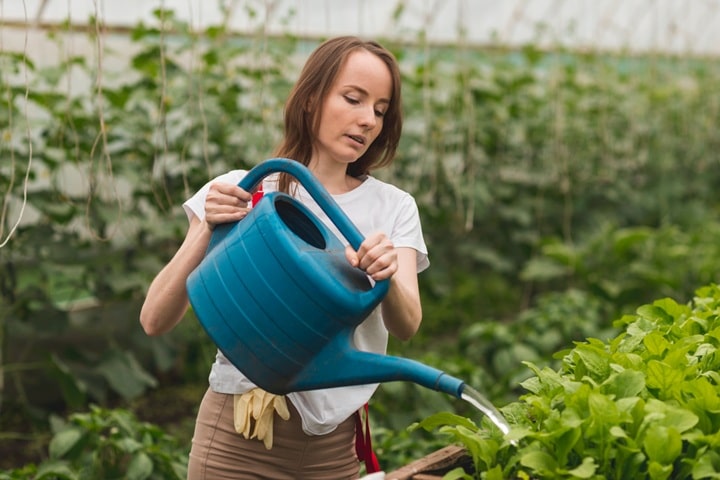
Watering Tips
Inside a tunnel, soil dries faster than outdoors.
I usually recommend:
- Water deeply rather than little and often
- Water early in the day where possible
- Avoid constantly wet foliage
- Mulch beds to reduce evaporation
Basic Maintenance Checklist
- Remove dead leaves promptly
- Inspect crops regularly
- Keep pathways clear
- Check for pests often
- Rotate crops where possible
Consistent small jobs are far easier than dealing with bigger problems later in the season.
Common Mistakes When Creating a Polytunnel Vegetable Patch
A few simple mistakes can reduce productivity quite quickly in enclosed growing spaces.
Avoid These Common Problems
- Overcrowding plants
- Ignoring ventilation
- Overwatering
- Forgetting crop rotation
- Choosing too many difficult crops at first
- Blocking access with oversized plants
One of the biggest lessons I’ve learned is that simplicity usually works best. A smaller, well-managed garden vegetable patch often outperforms an overcrowded one.
If you are unsure where to start, these best vegetables to grow in a polytunnel for beginners can help narrow down suitable crops.
Creating a garden vegetable patch inside a polytunnel is one of the most effective ways to grow food more reliably in the UK climate. The protected environment allows for longer growing seasons, healthier crops, and far greater flexibility throughout the year.
The key is to begin simply. Focus on good soil, sensible spacing, reliable crops, and manageable layouts. As confidence grows, it becomes much easier to experiment with succession planting, crop rotation, and year-round harvesting.
Even a modest polytunnel can become an incredibly productive growing space with careful planning and regular attention.
Frequently Asked Questions
What vegetables can you plant in October and November in the UK?
Many crops still grow well under cover during autumn and early winter, including spinach, winter salads, spring onions, chard, and some hardy herbs.
When is the best time to plant a vegetable patch?
Spring is the traditional starting point, but polytunnels allow growers to begin earlier and continue later into the year. Soil preparation can begin whenever conditions are workable.
Is October too late to plant vegetables in a polytunnel?
No. A polytunnel extends the growing season significantly, and many leafy greens and hardy crops can still be sown successfully in October.
How big should a vegetable patch be inside a polytunnel?
That depends on available space and how much food you want to grow. Even a small tunnel can support several productive beds if layouts are planned carefully and crops are chosen wisely.
Sources:
Royal Horticultural Society (RHS) (2026) Planning a vegetable garden. Available at: https://www.rhs.org.uk/advice/beginners-guide/vegetable-basics/planning-a-vegetable-garden (Accessed: 20 May 2026).
BBC Gardeners’ World Magazine (2026) Starting a new vegetable patch. Available at: https://www.gardenersworld.com/plants/starting-a-new-vegetable-patch/ (Accessed: 20 May 2026).