

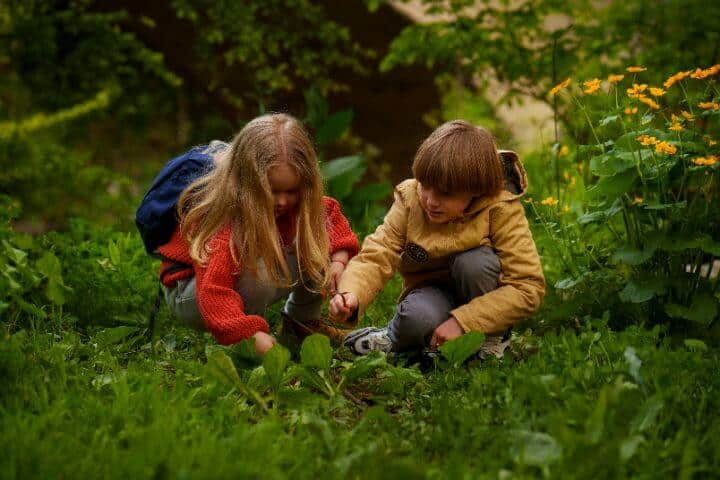
A child-friendly magical garden does not rely on expensive features or large amounts of space. Instead, the magic emerges from thoughtful design, opportunities for play, and a sense of wonder about the natural world.
When we give children the chance to interact with plants, soil, wildlife and the changing seasons, we help them to develop curiosity, confidence and resilience. We also create shared experiences that shape memories for years to come.
A magical garden for children does not need to look like a dedicated playground. In fact, the best ones blend seamlessly into the wider space. They are flexible, informal and filled with textures, scents, sounds and simple opportunities for exploration.
Whether you have a balcony, a courtyard, a traditional back garden or an allotment space your children can share, the garden ideas for kids below will help you plan a garden that grows with them.
KEY TAKEAWAYS
- A magical children’s garden thrives on texture, colour, scent and simple natural materials.
- Flexible, child centred design encourages independent play and exploration.
- Even the smallest balcony can offer sensory experiences and tiny growing opportunities.
- Interactive zones such as mud kitchens, storytelling circles and wildlife areas spark imagination.
- Growing food with children teaches life skills and deepens their connection with the natural world.
- Seasonal activities keep the garden engaging throughout the year.
- Safety and accessibility are central to designing a child friendly garden.
Planning a Garden Space for Kids
Good planning ensures that a children’s garden remains safe, inspiring and easy to maintain. Begin by observing how children naturally use your outdoor space. Do they gravitate toward certain corners, prefer open areas or enjoy hiding behind shrubs? Their instincts will tell you which parts of the garden can become playful, restful or creative.
Consider Zones
Children respond well to zones that offer different types of play. A zone does not need to be physically fenced or rigidly separated. Sometimes a slight change in surface, a curved path or a cluster of pots creates a gentle sense of place. Think about including areas for:
- Growing food
- Sensory exploration
- Creative or imaginative play
- Quiet reading or storytelling
- Wildlife watching
- Physical play and building projects
When these blend with the rest of the garden, the space feels natural and inviting rather than overly designed.
Safety First
Before adding anything new, assess the current environment. Remove hazardous debris, check for unsafe gaps in fences, trim back thorny plants along main paths and confirm that water features are appropriate for your children’s ages. You can still include wildlife ponds, but these will need either fencing, a sturdy mesh cover or a shallow bog style edge for safety.
Involve Children in the Design
Simply asking children what they would like often sparks unexpected and wonderful ideas. Many want places to hide, things to touch or smell, areas to build dens or spaces where they can dig without being told off. Others may imagine fairy kingdoms, dinosaur territories or tiny farms. These imaginative prompts help you create a garden that feels truly theirs.
Small Garden Ideas for Kids (Great for Balconies, Patios & Yards)
Even in a tiny outdoor space, you can create a sense of magic. Balconies, roof terraces and paved yards offer opportunities for container gardening, vertical growing, sensory play baskets and movable play zones.
Use Vertical Space
Stack pots, hang planters, use trellises and grow climbing plants such as beans, peas and nasturtiums. Vertical gardens make small areas feel lush while keeping floor space clear for play.
Container Gardens
Child friendly containers include:
- Painted wooden crates
- Upcycled tin cans (with smooth edges)
- Small buckets or colourful pots
- Fabric grow bags
Let children decorate the containers themselves to strengthen their connection with what grows inside them.
Mini Wildlife Features
Even the smallest spaces can host nature. Try:
- A mini insect hotel made from bamboo tubes
- A tray of water with stones for bees to land on
- Seed bombs in pots to attract pollinators
- Hanging herb baskets filled with lavender, mint and thyme
Portable Play
A small garden benefits from items that can move around easily. Sensory trays, baskets of natural materials and foldable dens create flexible play without taking up permanent space.
Sensory Play Zones
Children understand the world through their senses. A sensory garden helps them develop motor skills, emotional regulation and an appreciation for nature.
Scent
Scented plants have a powerful effect on imagination and memory. Choose hardy, tactile species such as:
- Lavender
- Lemon balm
- Rosemary
- Pineapple mint
- Chocolate mint
- Sweet cicely
- Scented geraniums
Plant these near paths where children brush against them or place them in containers they can reach easily.
Texture
Textures encourage young children to touch, compare and explore. Include:
- Lamb’s ear with its soft silver leaves
- Ornamental grasses for whispering sounds
- Smooth river stones
- Rough bark logs
- Mulches such as straw or wood chips
A barefoot path made from alternating textures like grass, bark, smooth pebbles and sand can be a delightful sensory challenge.
Sound
Sound adds atmosphere to a child’s garden. Consider:
- Bamboo that sways
- Grasses that rustle
- Wind chimes made from reclaimed materials
- Water trickling from a child safe fountain
- Seed pods that rattle in the breeze
Taste
A sensory garden is not complete without edible plants. Use plants that are safe and simple to identify, such as strawberries, peas, tomatoes and herbs. Teach children always to check with an adult before tasting anything.
Growing Food with Kids
Few experiences match the joy of planting a seed, watching it sprout and eventually picking something to eat. Growing food empowers children and introduces them to responsibility, patience and seasonal rhythms.
Child Friendly Crops
Choose plants that are easy to handle, quick to germinate and forgiving of imperfect care. Some reliable favourites include:
- Radishes
- Peas
- Runner beans
- Dwarf French beans
- Cherry tomatoes
- Strawberries
- Lettuce
- Spring onions
- Courgettes
- Potatoes in bags
These offer regular rewards and encourage children to check on their plants daily.
Kid Sized Tools
Small, sturdy tools make gardening easier and safer. Look for wooden handled tools with metal ends rather than plastic ones. A child sized watering can helps them avoid overwatering.
Raised Beds and Container Beds
Raised beds at a child’s height give a clear area where digging is encouraged rather than discouraged. For very young children, raised sand beds or digging pits allow free play without disturbing food crops.
Involve Children in Every Stage
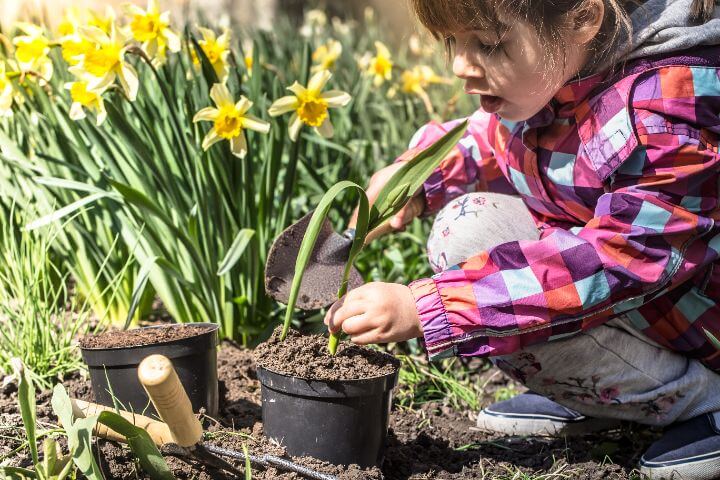
Let them select seeds, mix compost, sow, water, transplant and harvest. Even mistakes have value. Plants that wilt or fail can lead to conversations about soil, sun, water and care.
Creative & Imaginative Play Areas
A magical garden should inspire creative thinking. You do not need elaborate structures or commercial playground equipment. Simple, natural materials often work best.
Mud Kitchen Corner
Mud kitchens are endlessly popular. They allow children to experiment freely with soil, water, leaves and petals. You can create one with very little:
- A low table or old pallet
- Pots and pans from a charity shop
- Bowls, spoons and scoops
- A bucket of water
- A nearby herb patch for child safe mixing ingredients
- A patch of soil or a dedicated mud box
This type of play encourages sensory learning, cooperative play and imaginative scenarios.
Storytelling Circle
A storytelling area gives children a sense of place and quiet. It can be as simple as:
- A ring of log stumps
- A woven willow arch
- A patch of soft grass or mown area in a wildflower meadow
- A hammock or garden bench
- A shade sail or pergola for sunny days
Storytelling circles encourage language development and build a calm refuge within a busy family garden.
Fairy & Wildlife Zones
Blending magic with real ecology creates areas that appeal to both imagination and nature.
Fairy Gardens
These can include:
- Miniature houses made from bark or stones
- Painted pebbles
- Tiny paths of shells or gravel
- Fairy doors on tree stumps
- Moss carpets
- Small flowering plants such as alyssum or violas
Fairy gardens work well in pots, under shrubs or in quiet corners that children can revisit often.
Wildlife Habitats
Teach children that magic is not only pretend. Real creatures add wonder to the garden. With a few simple additions, you can welcome:
- Ladybirds
- Bees
- Butterflies
- Frogs
- Hedgehogs
- Birds
Wildlife friendly ideas include a small pond, bug hotels, flowering plants, hedgehog corridors and log piles.
Safe Spaces to Climb, Build & Explore
Children need places where they can test their strength and coordination. Safety remains important, but risk is part of learning. Aim for balanced, age appropriate challenges.
Natural Climbing Features
Instead of metal climbing frames, consider:
- A low tree with strong, low branches
- A sturdy wooden climbing structure or balance beam
- Tree stumps arranged as stepping stones
- Rock piles suitable for supervised climbing
Natural Dens
Dens are one of the simplest and most magical features you can add to a children’s garden. They offer privacy, mystery and a sense of ownership. Natural dens blend into the landscape and give children a place that feels entirely their own. Unlike permanent playhouses, these structures evolve through the seasons and often shift as children add their own touches.
Living Willow Dens
Living willow is ideal for creating a child friendly hideaway. It is flexible, easy to weave and grows readily in many UK climates.
You can form:
- Willow domes
- Tunnel entrances
- Curved walls
- Arches for climbing beans or sweet peas
In winter, the bare framework becomes a sculptural feature. In summer, it fills with fresh leaves, creating a cool, green shade. Children love stepping inside these leafy rooms, and the structure encourages them to notice seasonal changes.
Log and Branch Shelters
Gather fallen branches or small logs to create simple lean to dens. Show children how to prop branches safely, then let them take the lead. These shelters do not need to be perfect. In fact, their wonky, uneven nature often adds to the charm. Over time, children may reinforce them with bracken, long grasses or fabric scraps.
Shrub Hideaways
Mature shrubs naturally create secret corners. Leave small gaps between evergreen shrubs to form pathways and little chambers. Plants such as dogwood, hazel, bamboo (in a controlled clump) or willow coppice offer excellent screening. Children instinctively gravitate to these places for quiet play, imaginative stories or wildlife watching.
Fabric and Nature Blends
Sometimes a length of canvas or an old sheet tied between two trees is enough. Combine fabric with natural materials such as:
- Log seats
- Pebble circles
- Baskets of pine cones or sticks
- Leaf litter floors
Children quickly transform these into pirate dens, forest forts, reading rooms, nature labs or other spaces of natural adventure and magic.
Natural dens encourage independence and creativity while fostering a relationship with the landscape. They teach children the value of natural materials, show them how structures change with weather and time, and offer a quiet retreat that supports emotional wellbeing. Most importantly, they provide the sense of ownership and freedom that outdoor play thrives on.
Building Materials
Loose parts support problem solving, creativity and physical play. Offer materials such as:
- Short planks of wood
- Crates
- Buckets
- Ropes
- Pine cones
- Sticks and branches
- Fabric scraps
Children will build dens, obstacle courses and imaginative landscapes with very little adult input.
Seasonal Play Ideas
A magical children’s garden changes through the seasons and offers different opportunities at different times of year.
Spring
- Sow fast growing seeds such as radishes and peas
- Hunt for signs of new growth
- Create flower petal potions
- Make simple nature crowns with fresh leaves
Summer
- Build dens from blankets and pegs
- Paint stones under the shade of a tree
- Make sunflower houses or bean tunnels
- Collect fallen petals for craft projects
Autumn
- Gather colourful leaves for collages
- Pick apples, berries or pumpkins depending on your garden
- Clear seed heads to create nature treasure baskets
- Build bug hotels before winter sets in
Winter
- Make bird feeders from pine cones and nut butter
- Hunt for animal tracks in frost or snow
- Decorate a winter nature table indoors
- Explore evergreen plants through smell, touch and observation
Seasonal traditions build a rhythm that helps children feel connected to nature’s cycles.
FAQs
How do I make my garden safe for children?
Create clear paths, remove sharp hazards, check fences and avoid deep water unless properly secured. Use non toxic plants, store tools safely and designate specific digging or climbing areas. Teach children simple garden rules so they know where to play freely.
What can kids grow easily in the garden?
Radishes, peas, beans, salads, strawberries, tomatoes and herbs are ideal beginner crops. They germinate quickly, give predictable results and taste delicious straight from the plant.
How do I create sensory play outdoors?
Combine scented plants, textured materials, sound elements, edible herbs and visual contrasts. Raised beds, pots and small dedicated sensory corners work well. Include natural materials like sand, pebbles, bark and water.