

If you are a polytunnel gardener, you may have come up against the problem of plants ‘bolting’. Often, this can be an issue. But in this article, I want to take a little time to explore the idea that ‘bolting’ is not always a bad thing. Sometimes, however, the problem can be the solution. We might be irritated to see that our plants are bolting. But sometimes, there is an opportunity in that occurrence.
What is ‘Bolting’?
Bolting is the name given by gardeners to the sudden and premature development of a plant to the flowering/ seed producing stage. It is, in essence, plants rushing to enter the reproductive phase of growth.
Bolting is a common problem with certain crops, and often makes the plants unusable for their original intended purpose. Seeing plants bolting can be disappointing. But it is not always a complete disaster. As you will discover below, plants can still have a lot to offer, even after they begin to flower and set seed.
What Causes ‘Bolting’?
Bolting is usually caused by changes in environmental conditions. Commonly, it can be caused by a sudden cold spell, or sudden high temperatures. Changes in day length and light levels can also initiate this behaviour. When plants are under stress, this can also lead them to bolt prematurely. Water shortages, for example, can sometimes cause this problem.
4 Plants That Still Taste Good After They Begin To Bolt
Certain plants, like lettuce and spinach, will definitely not taste as good after they have begun to bolt. Their flavour will be more bitter. And while you may still add the odd leaf to a mixed salad with good results, generally speaking, once the plant bolts, the harvesting period will be done.
Other plants, however, can still taste good after they bolt. Cutting off the flowering portion of the plant will often allow you to continue to harvest new leaves. And these leaves will taste no worse than the ones harvested before flowering. Here are a few examples of plants that can continue to provide an edible yield even after they begin to bolt:
1. Pak Choi
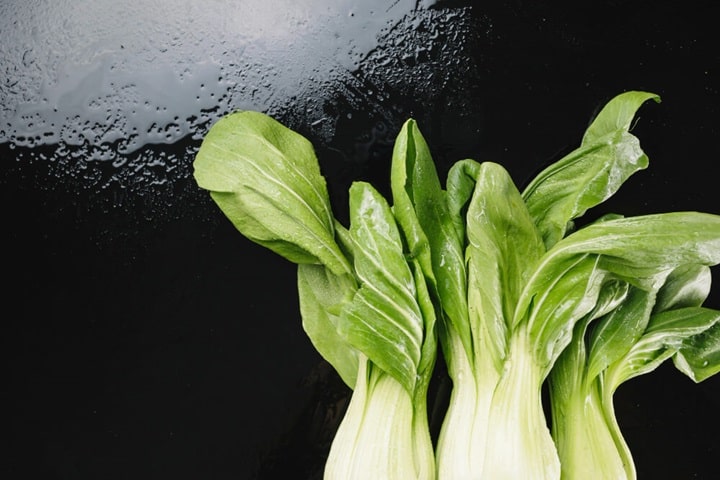
Pak choi, once it starts to bolt, cannot go back to the leafy production of before. But don’t rip it out of the ground right away. The stems and flowers are edible, and can make a tasty addition to stir fries and salads. And once you have removed them, new growth should also continue to appear at the base of the plants.
2. Beetroots/ Swiss Chard
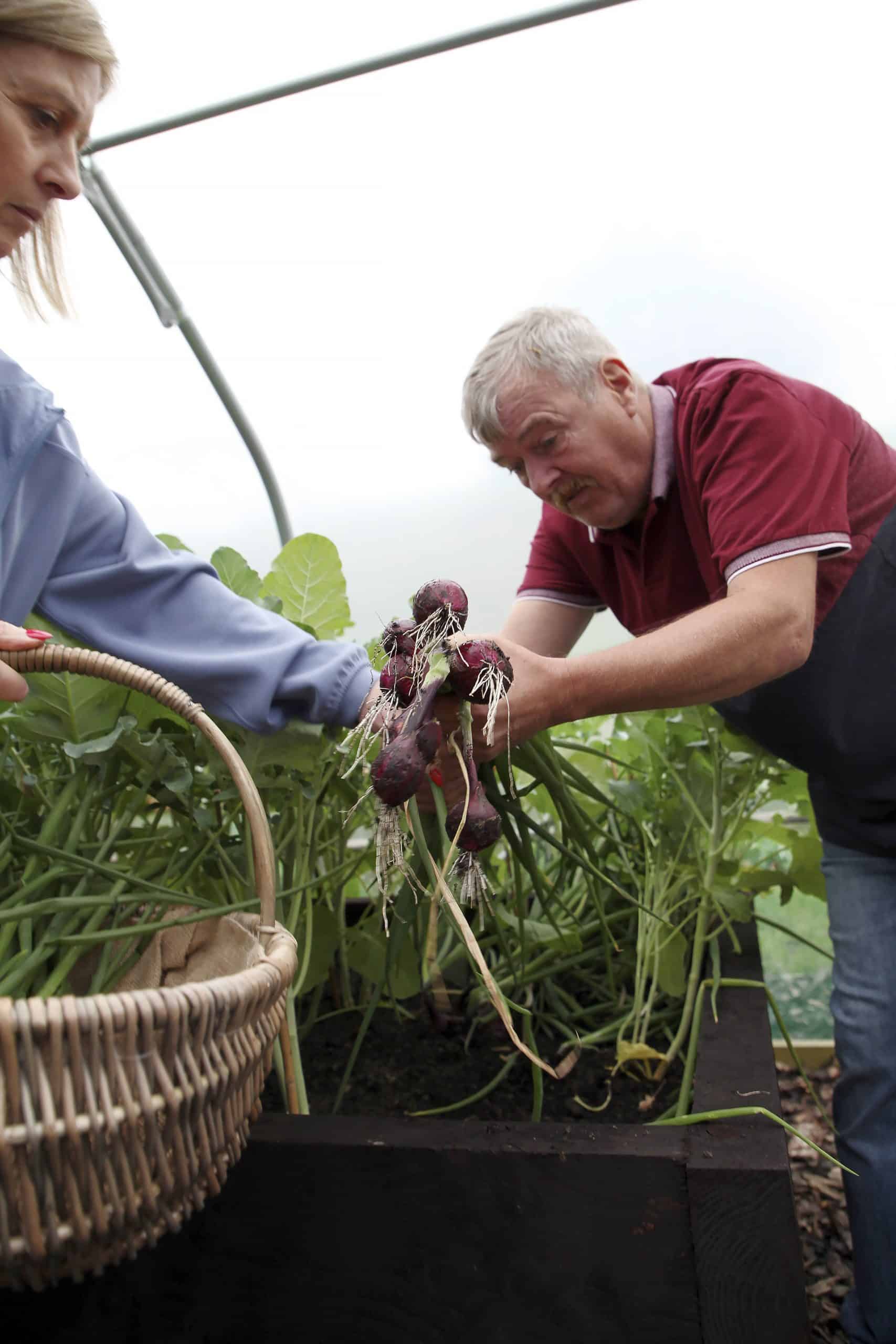
The flowering stems of Swiss chard and beetroots, where these appear, can also be eaten. Remove these quickly, and you should still get some more leafy growth on these plants too. And the fact that these plants have bolted should not affect the flavour too much.
3. Parsley
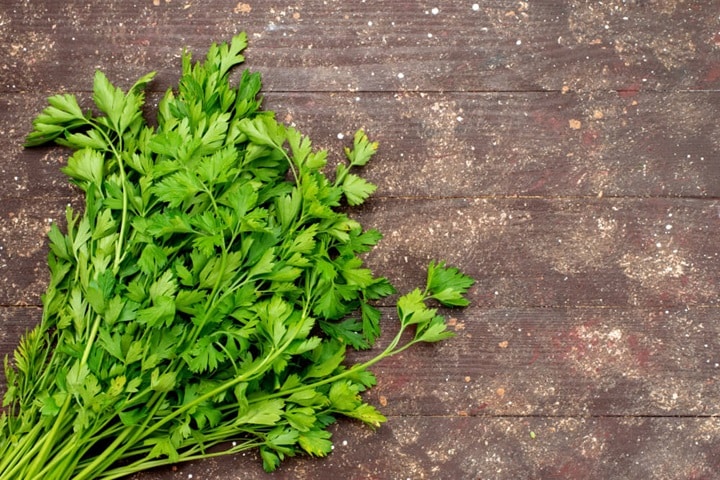
Parsley can be quite prone to bolting. But the flowering plants, while they may not look great, will still be productive. The flowering will not affect the flavour of the leaves, and you can continue to nip off flowering stems and harvest leaves from your parsley plants as and when they are required.
4. Basil

Basil is another herb that may bolt. But like parsley, the flavour of the leaves will be unaffected, so you can still continue to harvest leaves from your plants and enjoy them in a range of recipes with other seasonal produce.
Plants That Provide Another Edible Yield When Bolting
Other plants will alter after they bolt, but will still provide a different edible yield. Though the opportunity to harvest the primary yield may be gone, the bolting of these plants might provide a secondary yield. In certain cases, that secondary yield might be even better than the original one. It might be more prolific, tastier, or more versatile. Here are a few examples:
Radishes
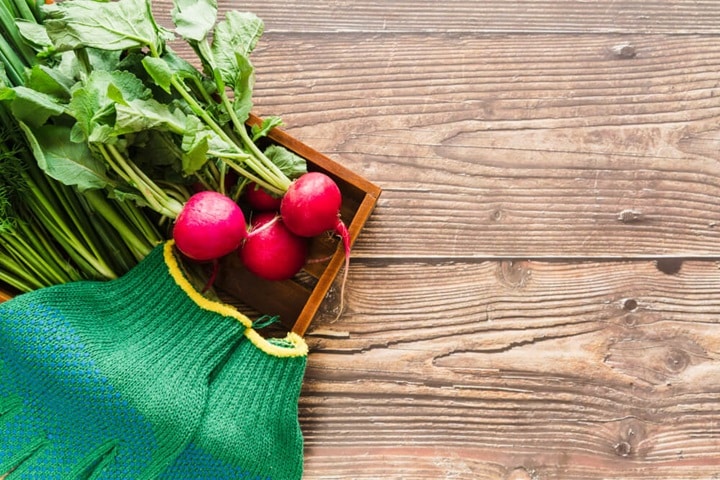
Radishes are an excellent example of a plant that can provide a more abundant yield after they have bolted. Radish is an incredibly useful plant. You can eat all of it, from the bulb for which the plant is most commonly grown, to the leaves, the flowers and the seed pods. Leave a radish plant that has bolted in the ground and you will soon be astounded by the huge, sprawling plant that develops.
After flowering, radishes will develop abundant seed pods, which are delicious. They are great as a snack or used in a range of recipes. They taste to me like a cross between radish bulbs and mange tout peas. Some radish pods are fiercer and spicier than others. But all radishes form pods that can be eaten as an abundant secondary crop.
Coriander
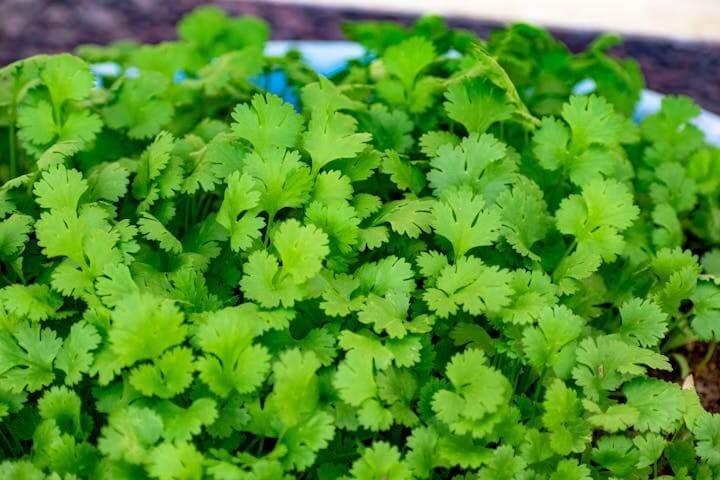
Another interesting plant to consider in this regard is coriander. You may be growing a variety of coriander bred for its leaves. But coriander seeds will still form after the plants bolt, and these are another useful culinary yield. I personally prefer coriander seeds to leaf coriander, and use the seeds in a range of curries and other recipes.
Dill

This is another plant that can be grown for its seeds as well as for its leaves. This herb may more commonly be used as a leaf herb. But I also find the seeds very useful as an ingredient for making pickles and other preserves. Dill seeds are also traditionally used in various ways in herbal remedies.
Mustard
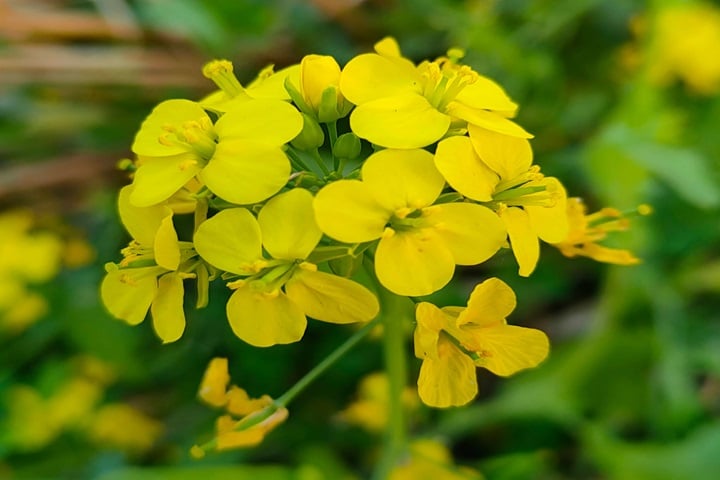
Mustards grown predominantly for their leaves may also provide seeds that could be useful. While different varieties are generally grown for mustard seed, you may still be able to use the seeds from other mustard plants to make a spicy condiment, or in a range of recipes.
Mustard seeds, along with many other brassica seeds, and plenty of other seeds for that matter, can also be sprouted, and eaten in salads, or in breads or other recipes. So let bolted plants go to seed and you could collect them and sprout them for a healthy addition to your homegrown diet.
It is also worthwhile remembering that many plants, when they set seed prematurely, can still provide some form of yield. Even if the plant no longer provides an edible yield, it might, for example, still provide a yield of seeds to sow in your garden next year.
With certain plants, you might like to experiment with seed saving, to see which new plants crop up. If nothing else, enjoying bizarre and random brassica plants (for example) which grow from various collected seeds can be an amusing pastime to consider. Though it is always better to carefully save seeds from plants that perform best in your garden, playing around won’t hurt, and you may still get some worthwhile plants next year from the seeds you collect. Why not collect lettuce seeds and grow some for micro-greens on a windowsill?
Other Reasons Why Bolting Plants Can Still Be Beneficial
While you may be disappointed that your lettuces or other vegetables or herbs have begun to flower, it is worth remembering that even tiny blooms can be a boon for pollinators and other insects in your garden.
Also, once plants begin to set seed, those seeds may become a food source for other wildlife in your garden.
Allowing some plants to bolt and set seed without ripping them up and out of the ground straight away can be beneficial. It can help to attract beneficial wildlife to your garden. Boosting biodiversity is always a good strategy. So even when bolting is premature, ultimately, it can still be a positive thing for your organic garden overall.
So before you rip up all those bolting plants in frustration, think about leaving some for the bees, the birds, and other garden creatures.
Gardening does not always go according to plan. And of course it has its frustrations. But by looking at things a little differently, we can sometimes turn those problems into opportunities. Every cloud has a silver lining, and even the most chaotic garden can have a lot of promise.
Whilst we have not covered it in this article, develop your reading further with this guide regarding why your lettuce is bolting.
FAQs
What is bolting in a plant?
Bolting in a plant refers to the rapid growth of the floral stalk, typically triggered by environmental factors such as increased day length or temperature changes. This process leads to flowering and seed production, often at the expense of leafy growth.
What is the bolting process?
The bolting process involves a plant shifting its energy from vegetative growth (leaves and roots) to reproductive growth (flowers and seeds). It’s usually triggered by specific cues like long days, sudden temperature rises, or stress conditions.
Can you eat vegetables that have bolted?
Yes, you can eat vegetables that have bolted, but they may not be as palatable. Once a vegetable bolts, the leaves often become tougher and more bitter, making them less desirable for consumption, especially in leafy greens like lettuce and spinach.
What does bolting food mean?
“Bolting food” does not have a recognized meaning in culinary or agricultural contexts. It seems to be a misunderstanding or misapplication of the term “bolting,” which specifically relates to the growth habit of plants, not food preparation or consumption.
Sources
Coulter, L., (2024) Why Your Lettuce Is Bolting and How to Delay It to Save Your Crop. Better Homes & Gardens. [online] Available at:
https://www.bhg.com/gardening/vegetable/vegetables/bolting-in-lettuce [accessed 20/09/24]