

Prepare for an essential guide for those wanting to grow fruit trees in their gardens
Nurturing fruit trees in your garden is both a rewarding and delicate task. In this article, you will learn how to feed fruit trees properly,ensuring they flourish and bear bountiful harvests. Whether you’re tending to apples, pears, or exotic varieties, our step-by-step instructions will lead you through the essential practices of feeding and mulching.
Quick Facts About Fruit Trees
- Suitable For: All types of fruit trees.
- Best Time for Feeding: Late winter or early spring.
- Optimal Mulching Periods: Mid-to-late spring and autumn.
- Difficulty Level: Easy.
| Jan | Feb | Mar | Apr | May | Jun | Jul | Aug | Sep | Oct | Nov | Dec | |
| Container-Grown | ✅ | ✅ | ✅ | ✅ | ✅ | ✅ | ✅ | ✅ | ✅ | ✅ | ✅ | ✅ |
| Bare Root | ✅ | ✅ | ✅ | ✅ | ✅ | ✅ | ✅ | ✅ | ||||
| Rootballed Evergreens | ✅ | ✅ | ✅ | ✅ |
Feeding Your Fruit Trees
Fruit trees are heavy feeders and require specific nutrients for them to grow at their best. An essential nutrient for fruit trees is potassium, vital for bud and fruit development. Stone fruits, along with pears and culinary apples, have an increased demand for nitrogen to improve their growth. While autumn is ideal for planting, container-grown fruit trees are more flexible, allowing planting throughout the year, barring extreme soil conditions.
What To Feed Your Fruit Trees
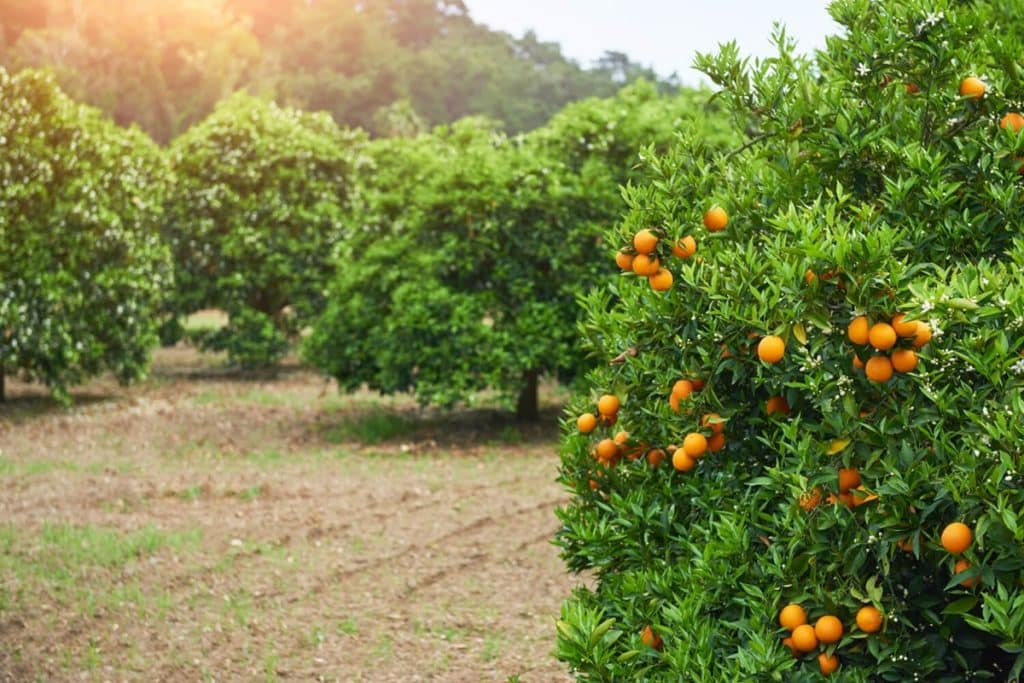
A balanced granular fertiliser, such as Growmore, is a great starting point. It replenishes the soil with nitrogen, phosphorus, and potassium (NPK) – the three crucial elements for plant health. However, if you notice a decline in fruiting, consider a potassium boost using rose fertiliser, sulphate of potash, or pelleted chicken manure.
When And How To Feed Fruit Trees
Feeding
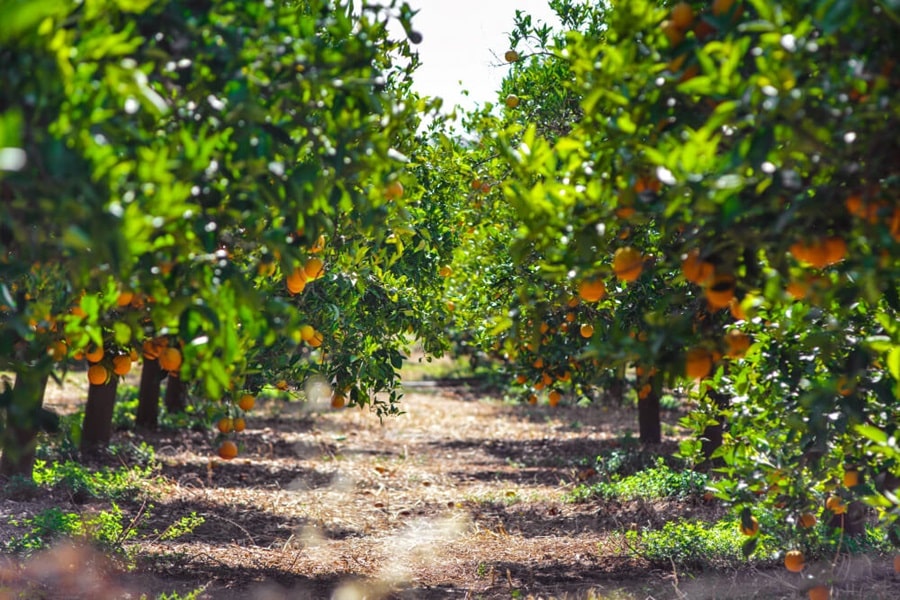
Feeding fruit trees should be done in late winter or early spring, gearing up for the polytunnel growing season. As for mulching, it’s best applied in mid-to-late spring and autumn. For the initial few years, mulch newly planted trees annually with bulky organic materials like well-rotted manure, leafmould, straw, or garden compost. This practice conserves moisture and combats weeds. Remember, mulches supplement rather than replace fertilisers.
To learn more about mulching, read on this organic mulch guide for beginners.
Mulching
Choosing the right mulch is important for fruit tree growth as well. Organic options like well-rotted manure or leaf mould not only cover the soil but also enhance its fertility over time. Leaf mould compost, particularly, is an excellent choice, though it requires patience as it breaks down over a year or more. Straw and garden compost are also effective, each adding unique benefits to the soil ecosystem.
Understanding Fertilisers
Fertilisers are crucial in providing concentrated nutrients to plants, targeting their needs rather than the soil’s general health. Fruit trees, in particular, thrive with regular fertiliser application, which is vital when learning how to feed fruit trees. With numerous fertiliser options available, it’s important to choose one that aligns with the specific needs of your fruit trees.
Best Practices for Fertilising
To make the most out of your fruit tree fertilisation methods, consider these approaches:
- Timing: Late winter or early spring is ideal, as the soil is moist and receptive.
- Preparation: For trees growing in grass, remove a 1m (3¼ft) wide ring of grass around the base and lightly fork the soil before applying fertiliser.
- Application: Distribute the fertiliser evenly over the tree’s root area, which extends just beyond the branch canopy. Adjust the quantity based on the tree’s growth rate.
- Essential Nutrients: Nitrogen (N) for growth, Phosphorus (P) for roots, and Potassium (K) for fruits and flowers.
Feeding Specifics For Different Trees
Since there are so many different fruit trees, these may need to be fed differently. Here is what you need to know:
Apples and Young Pear Trees
- Annually require nitrogen fertiliser. Culinary apples need more nitrogen than dessert varieties.
- Apply an extra 25g per sq m of sulphate of potash every three years for dessert apples.
Methods of Fertilising
- Potassium-rich fertilisers like rose fertiliser annually in late winter.
- Growmore fertiliser at specific rates for different apple types.
- Organic alternative: Dried poultry manure pellets, supplemented with organic potassium every three years.
Learn about the best native trees for seasonal growth.
Established Pears, Cherries, Plums, Gages, Damsons, and Peach Trees
- These require a balanced general fertiliser like Growmore in early spring.
- Organic option: Similar amounts of dried poultry manure pellets, with organic potassium every three years.
Soil Testing
Occasional soil testing, recommended every four years, can be invaluable in assessing and tailoring your feeding regime. This ensures the effectiveness of your fertilisation strategy.
Fruit Trees in Containers
Caring for fruit trees in containers necessitates a slightly different approach. They require more frequent feeding due to limited soil volume and nutrient availability. Utilising a balanced liquid fertiliser during the growing season can provide the necessary nutrients in a readily available form.
Are you planting native trees from seed? Find out how to do so now.
Organic Mulching for Fruit Trees
Organic mulches are not only beneficial for improving soil structure and fertility but also play a key role in a sustainable gardening approach. They are broken down by earthworms and other organisms which help to enrich the soil.
- Ideal Timing: Late winter is the best time for mulching to ensure the soil is moist but not waterlogged.
- Application: Apply the mulch around the tree’s base, ensuring it covers the rootball region, with a depth of 7.5-10cm (3-4 inches). Avoid direct contact with the tree trunk to prevent decay, maintaining a mulch-free zone of about 7.3-10cm around it.
- Materials: Common organic mulches include well-rotted manure, straw, leaf mould, and garden compost. Each of these materials contributes differently to soil health and structure.
Inorganic Mulching
While inorganic mulches don’t improve soil fertility, they are excellent for weed suppression and moisture conservation.
- Materials: Options include shingle, pebbles, gravel, and decorative aggregates. These materials can be aesthetically pleasing while still functional.
- Special Considerations: Light-coloured mulches can reflect light back into the canopy, which is particularly beneficial for cherries.
Addressing Common Mulching Problems
Mulching, though beneficial, can come with its own set of challenges:
- Displacement by Birds: Some mulches can be scattered by foraging birds, creating an unsightly appearance.
- Pest Refuge: Slugs and snails often find refuge in mulches. To keep away larger pests such as birds, we recommend using fruit cages as protection.
- Tree Health: Direct contact of mulch with the tree stem can lead to softening and increased disease vulnerability.
- Water Penetration: A hard layer of mulch can hinder water penetration. To avoid this, replace the mulch only after it has decomposed, or fork it into the soil.
Feeding Issues
A common issue in feeding fruit trees is magnesium deficiency, recognisable by the yellowing of leaves between veins. This problem is more prevalent in thin soils and areas with high rainfall. To address this:
- Treatment: Use magnesium sulphate (Epsom salts) as a foliar spray, mixed at a rate of 226g to 11.5 litres of water. Adding a wetting agent like dish soap can enhance effectiveness. For recurring issues, apply magnesium sulphate directly to the soil at a rate of 65g per sq m in mid-spring.
- Susceptible Trees: Apple and peach trees are especially prone to magnesium deficiency.
Feed Fruit Trees For Prosperous Growth
In conclusion, proper feeding and mulching of fruit trees are key to a thriving garden. By understanding the specific needs of different tree types and applying the right techniques, gardeners can ensure their trees are well-nourished and protected. Regular care, combined with knowledge of potential issues and their remedies, will lead to healthy, bountiful fruit harvests.
FAQs
What is the best feed for fruit trees?
A balanced granular fertiliser with a ratio like 10-10-10 (N-P-K) is often a good choice for fruit trees. Organic options like well-rotted compost or specialised fruit tree fertilisers are also suitable.
What is the best month to fertilise fruit trees?
Fertilise fruit trees in late winter or early spring, just before they start active growth. This is typically in late February to early March, but it can vary depending on your climate and tree type.
Is tomato feed good for fruit trees?
Tomato feed can be used on fruit trees, but it may not provide all the nutrients fruit trees need. It’s best to use a balanced fertiliser specifically formulated for fruit trees for optimal results.
What is the best natural fertiliser for fruit trees?
Organic options like compost, well-rotted manure, or homemade compost tea are excellent natural fertilisers for fruit trees. These options enrich the soil with nutrients and improve soil structure over time.
Sources
Amazon (n.d.) Growmore Fertiliser. [online] Available at: https://www.amazon.co.uk/Vitax-Ltd-5011204613243-Growmore-Fertiliser/dp/B001CN0J14/ref=sr_1_10 [accessed 08/12/23]